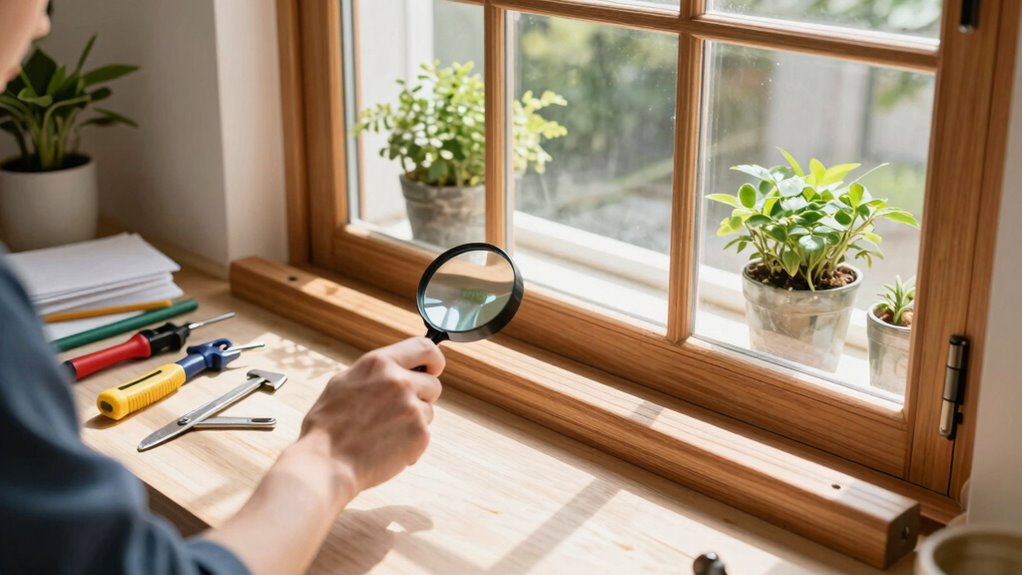

To build a more circular home through better maintenance, you should prioritize regular upkeep of your systems and appliances to extend their lifespan and reduce waste. Incorporate smart technologies like sensors, thermostats, and energy monitors to optimize energy use and catch issues early. Maintain renewable energy systems, seal leaks, and improve insulation to reduce resource consumption. Small, consistent actions create a sustainable cycle for your home—discover more ways to enhance your home’s longevity and eco-friendliness.

Get furniture and decor delivered free — and shop member deals
- Fast, free delivery on millions of items
- Access to Prime Big Deal Days deals on October 6–7
- Prime Video, Amazon Music and more included
Key Takeaways
- Conduct regular inspections and preventative maintenance to extend system lifespan and reduce waste.
- Integrate smart sensors and automated alerts for early issue detection and efficient resource use.
- Maintain renewable energy systems, like solar panels, to ensure optimal performance and longevity.
- Seal leaks, repair insulation, and optimize HVAC systems to minimize energy waste.
- Design with circular principles, focusing on resource reuse, durability, and sustainable system integration.

Have you ever wondered how your home can contribute to a more sustainable future? Building a more circular home isn’t just about recycling or reducing waste — it’s about creating a system where resources are reused, repurposed, and maintained efficiently over time. One of the most effective ways to do this is through better maintenance practices that extend the lifespan of your home’s systems and appliances. When you prioritize regular upkeep, you minimize waste and reduce the need for new materials, supporting a more sustainable lifestyle. Plus, integrating smart technology can make this process easier and more effective. Smart sensors and connected devices can monitor your home’s energy use, spot potential issues early, and notify you when maintenance is needed, preventing costly repairs and unnecessary replacements.
Smart maintenance and technology help extend your home’s lifespan and support sustainable living.
Another essential aspect of building a circular home is adopting renewable energy sources. Installing solar panels or small wind turbines allows you to generate clean energy for your household, decreasing reliance on fossil fuels. When combined with smart technology, you can optimize your energy consumption, guaranteeing you use renewable power efficiently. For example, smart meters can adjust your energy use based on when your renewable sources are most productive, reducing waste. Regularly maintaining your renewable energy systems — cleaning solar panels, checking connections, and updating software — guarantees they operate at peak efficiency, extending their lifespan and maximizing their environmental benefits. Incorporating renewable energy and ensuring proper maintenance can significantly enhance your home’s sustainability. Additionally, understanding the importance of biodiversity in sustainable living can inspire you to incorporate natural elements into your home environment, further supporting ecological health. Incorporating energy-efficient systems into your home design further enhances sustainability by reducing overall resource consumption. Being mindful of resource management practices can also help prevent unnecessary energy use and waste.
Good maintenance also involves inspecting and caring for your home’s infrastructure. This includes sealing leaks, repairing insulation, and ensuring your heating and cooling systems work properly. By doing so, you reduce energy waste and lower your utility bills. Smart thermostats can help you manage temperature settings more precisely, which not only improves comfort but also conserves energy. Implementing preventative maintenance routines can prevent small issues from escalating into costly repairs and resource wastage. When you stay on top of these routine tasks, you prevent small issues from turning into bigger, more resource-intensive problems down the line. This proactive approach aligns perfectly with the principles of a circular home, where resources are continuously reused and kept in use longer.
Ultimately, building a more circular home through better maintenance isn’t just about saving money — it’s about making a tangible impact on the environment. By integrating renewable energy and smart technology, you create a home that actively participates in a sustainable cycle. You keep systems running smoothly, reduce waste, and extend the life of your appliances and infrastructure. Over time, these small, mindful actions accumulate, helping you build a home that’s not only efficient and resilient but also contributes meaningfully to a healthier planet.
As an affiliate, we earn on qualifying purchases.
Frequently Asked Questions
How Often Should I Perform Maintenance to Ensure Circularity?
You should perform maintenance regularly, ideally every few months, to guarantee material longevity and effective repair scheduling. Keep an eye on wear and tear, addressing issues promptly to extend the lifespan of your home’s components. Seasonal checks are helpful, especially before harsh weather. Regular inspections allow you to catch problems early, reducing waste and supporting a more circular home by minimizing replacements and maximizing reuse of materials.
What Tools Are Essential for Sustainable Home Repairs?
You’ll need essential tools like a cordless drill, a set of screwdrivers, a hammer, and pliers for sustainable home repairs. These tools make DIY repairs easier and more efficient, allowing you to work with renewable materials effectively. Investing in high-quality, eco-friendly tools helps reduce waste and extends their lifespan, supporting your goal of building a more circular home. With the right tools, you can repair, reuse, and maintain sustainably.
How Can I Identify Areas Needing Maintenance for Circularity?
Did you know that homes account for nearly 20% of global energy consumption? To identify areas needing maintenance for circularity, start by monitoring your home energy and water efficiency. Check for drafts, insulation gaps, or leaks that waste resources. Regularly inspect appliances and plumbing for wear. By focusing on these areas, you guarantee your home operates more sustainably, reducing waste and extending its lifespan, making it more circular.
Are There Eco-Friendly Cleaning Products for Home Upkeep?
Yes, you can choose eco-friendly cleaning products for your home upkeep. Look for biodegradable cleaners that break down naturally and cause less harm to the environment. Opt for refillable bottles to reduce plastic waste and reuse your containers. These options help you maintain a clean home while supporting sustainability. Switching to biodegradable cleaners in refillable bottles is a simple step toward making your home more circular and eco-conscious.
How Can Maintenance Extend the Lifespan of Home Materials?
Regular maintenance boosts material durability by addressing issues early, preventing costly damage. You should schedule inspections and cleanings to catch leaks, cracks, or wear before they worsen. Incorporate renovation planning to update or reinforce structures as needed, extending their lifespan. Using eco-friendly cleaning products also helps preserve materials. By staying proactive, you guarantee your home remains resilient, reducing waste and supporting a more sustainable, circular living environment.
Conclusion
By tending to your home with care, you plant seeds of sustainability that grow into a resilient, thriving space. Think of your maintenance efforts as nurturing roots that anchor your home to the earth, ensuring it remains vibrant and full of life. As you keep your home in balance, you’re weaving a circular loop—where renewal and reuse flow seamlessly. With each mindful act, you’re helping your house become a living symbol of harmony and sustainability.
Fall Picks
fall essentials
As an affiliate, we earn on qualifying purchases.