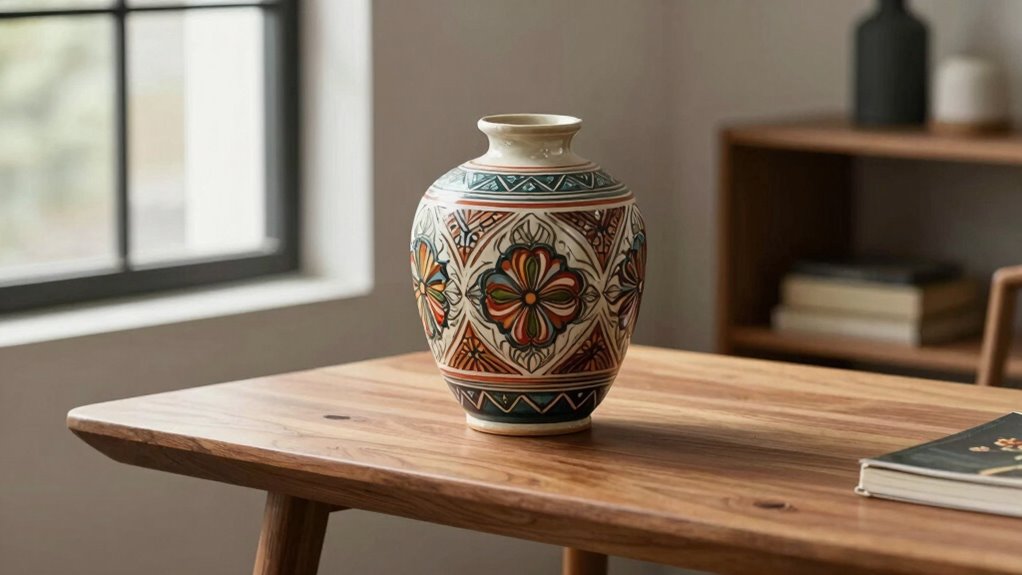

To combine heritage craft with contemporary design responsibly, focus on respecting traditional techniques by collaborating directly with artisans and sharing their stories. Choose sustainable materials like organic fibers or reclaimed wood to minimize environmental impact. Simplify intricate patterns for modern appeal while maintaining cultural integrity. Balance innovation with authenticity by transparent sourcing and supporting local craftsmanship. If you continue exploring, you’ll discover even more ways to honor tradition while creating meaningful, stylish pieces.
Key Takeaways
- Collaborate directly with artisans to ensure authentic craftsmanship and respectful cultural representation.
- Use sustainable, eco-friendly materials that honor traditional techniques and reduce environmental impact.
- Simplify and adapt traditional patterns for modern aesthetics without losing cultural significance.
- Transparently share sourcing and craftsmanship stories to build consumer trust and appreciation.
- Balance innovation with cultural preservation, maintaining authenticity while aligning with contemporary lifestyles.
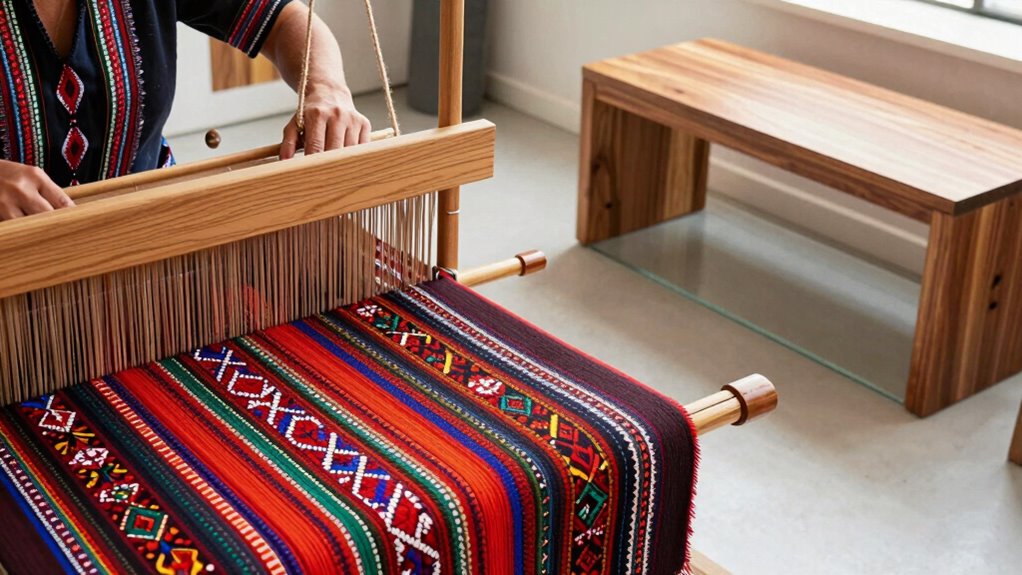
Have you ever wondered how traditional craftsmanship influences contemporary design? It’s a fascinating intersection where cultural preservation meets modern innovation. When you incorporate heritage craft into current trends, you’re not just creating aesthetically pleasing pieces—you’re also safeguarding cultural identities that might otherwise fade away. By respecting the origins of these crafts, you support artisans and keep age-old techniques alive for future generations. This approach guarantees that design isn’t just about novelty but also about meaningful storytelling.
Using sustainable materials becomes essential when blending heritage craft with modern design. Opting for eco-friendly resources, such as organic fibers, reclaimed wood, or natural dyes, allows you to minimize environmental impact. These choices demonstrate a commitment to sustainability, which resonates increasingly with conscious consumers. When you combine sustainable materials with traditional craftsmanship, you honor the earth as well as the cultural history embedded in each piece. This synergy results in products that are not only beautiful but also responsible, encouraging a shift toward more ethical consumption. Incorporating sustainable practices into your design process ensures that both environmental and cultural considerations are prioritized.
Using eco-friendly materials honors both tradition and the planet, fostering responsible, beautiful craftsmanship that supports sustainable living.
To responsibly merge heritage craft with contemporary aesthetics, you need to approach the process thoughtfully. Respect the techniques and cultural significance behind each craft—don’t just incorporate them superficially. Immerse yourself in understanding the history, symbolism, and methods involved, ensuring your work honors their origins. Collaborate directly with artisans who have mastered these skills, rather than mass-producing or diluting their artistry. This creates authentic pieces that tell a story and support local economies. Emphasizing cultural preservation helps ensure that these traditions continue to thrive in a modern context. Recognizing the importance of cultural heritage is vital for a respectful and meaningful integration.
At the same time, adapt these traditional elements to fit modern lifestyles. Simplify intricate patterns or incorporate innovative materials that align with current design trends. By doing so, you maintain the essence of heritage craft while making it accessible and relevant today. Keep in mind that transparency about your sourcing and processes builds trust with your audience. Sharing the story behind each piece—how it was made, the materials used, and the cultural significance—adds depth and value.
Ultimately, combining heritage craft with contemporary design responsibly means striking a balance. It’s about celebrating tradition without exploitation, using sustainable materials to reduce harm, and creating pieces that are both meaningful and stylish. When you approach this responsibly, you’re not just designing objects—you’re fostering cultural preservation, supporting artisans, and advocating for a more sustainable future.

NIRMAN Wooden Crafted Coaster Set of 6 with Coasters Holder for Drink Bar Coaster Tea Coffee Mug Tabletop Barware Drink Handmade Dining Home Decor (Owl Shape)
- Coaster Dimensions: 3.5 x 3.5 inches each
- Holder Dimensions: 4.5 x 2.25 x 2.5 inches
- Material: Sustainable mango wood
As an affiliate, we earn on qualifying purchases.
As an affiliate, we earn on qualifying purchases.
Frequently Asked Questions
How Can I Ensure Authentic Heritage Craftsmanship in My Designs?
To guarantee authentic heritage craftsmanship in your designs, you should use authentic techniques passed down through generations and prioritize craft preservation. Collaborate with skilled artisans who specialize in traditional methods, and visit workshops to understand their processes. Respect the cultural significance behind each craft, and avoid shortcuts or mass production. By valuing authenticity and supporting craft preservation, your designs will genuinely reflect heritage craftsmanship.
What Are the Environmental Impacts of Blending Old and New Techniques?
Blending old and new techniques might seem eco-friendly, but it can also increase environmental impacts if you’re not careful. You might think mixing heritage craft with contemporary design is sustainable, yet it often leads to waste and resource use. To truly minimize impacts, prioritize sustainable sourcing and eco-friendly materials, ensuring your fusion respects the environment and preserves craft traditions for future generations. Ironically, innovation sometimes demands more careful resource management.
How Do I Respect Cultural Significance When Modernizing Heritage Crafts?
You respect cultural significance by prioritizing cultural preservation and understanding the history behind the craft. Engage with artisans and community members to learn about its meaning and significance. Maintain artistic integrity by blending modern techniques thoughtfully, ensuring that the original essence isn’t lost. Always seek their approval or input, and avoid commercializing or misrepresenting the craft. This approach honors tradition while responsibly adapting it for contemporary contexts.
Are There Legal Considerations for Using Traditional Patterns or Symbols?
Think of using traditional patterns or symbols as steering a delicate dance floor—you need to know the steps. Legally, you must respect intellectual property rights, ensuring you’re not infringing on copyrights or trademarks. Be mindful of cultural appropriation; some symbols hold sacred meaning and shouldn’t be used without permission. Always research the origins, seek permission when necessary, and give proper credit to avoid legal issues and honor cultural integrity.
How Can I Collaborate Ethically With Indigenous or Local Artisans?
You can collaborate ethically by respecting cultural boundaries and avoiding cultural appropriation. Engage directly with indigenous or local artisans, ensuring fair trade practices that provide equitable compensation. Always seek permission, credit the artisans properly, and learn about their cultural significance. This approach fosters genuine partnerships, supports community empowerment, and maintains authenticity while honoring traditional craftsmanship within your contemporary designs.
Conclusion
By blending heritage craft with contemporary design, you’re weaving a tapestry that honors the past while embracing the future. Think of it as tending a timeless garden—each carefully chosen element blooms anew, rooted in tradition yet reaching toward innovation. As you navigate this delicate dance, remember that responsible creation is like tending a sacred flame, respecting its history while allowing it to burn brightly for generations to come.