
Incorporating vintage and antique pieces into your interior supports sustainability by reusing durable items that have already stood the test of time. These pieces reduce resource consumption, minimize waste, and promote a circular economy. Proper restoration keeps their original character alive while avoiding harmful chemicals. By sourcing ethically and appreciating their historical value, you add unique character to your space while making environmentally responsible choices. Keep exploring to understand how these timeless pieces contribute even more to sustainable decorating.

Get furniture and decor delivered free — and shop member deals
- Fast, free delivery on millions of items
- Access to Prime Big Deal Days deals on October 6–7
- Prime Video, Amazon Music and more included
Key Takeaways
- Vintage and antique pieces are durable, reducing the need for frequent replacements and minimizing waste.
- Restoring these items with traditional, eco-friendly techniques extends their lifespan and preserves their historical value.
- Sourcing antiques responsibly supports fair labor practices and prevents illegal or exploitative practices.
- Unique craftsmanship and design from past eras add character and timeless appeal to sustainable interiors.
- Incorporating vintage pieces promotes circular economy principles and encourages mindful consumption.
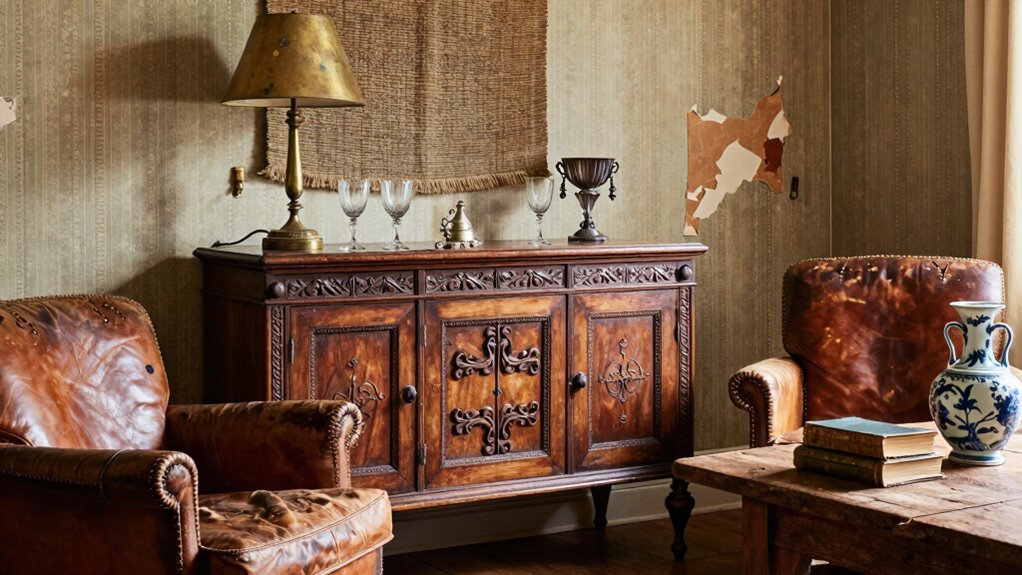
In today’s push for sustainable living, incorporating vintage and antique pieces into your interiors offers a stylish way to reduce environmental impact. These items are often crafted with care and durability that surpass many modern manufacturing standards. When you select vintage or antique furniture, you’re choosing pieces that have already stood the test of time, meaning fewer resources are needed to produce new items. This approach not only minimizes waste but also supports a more circular economy, where products are reused rather than discarded.
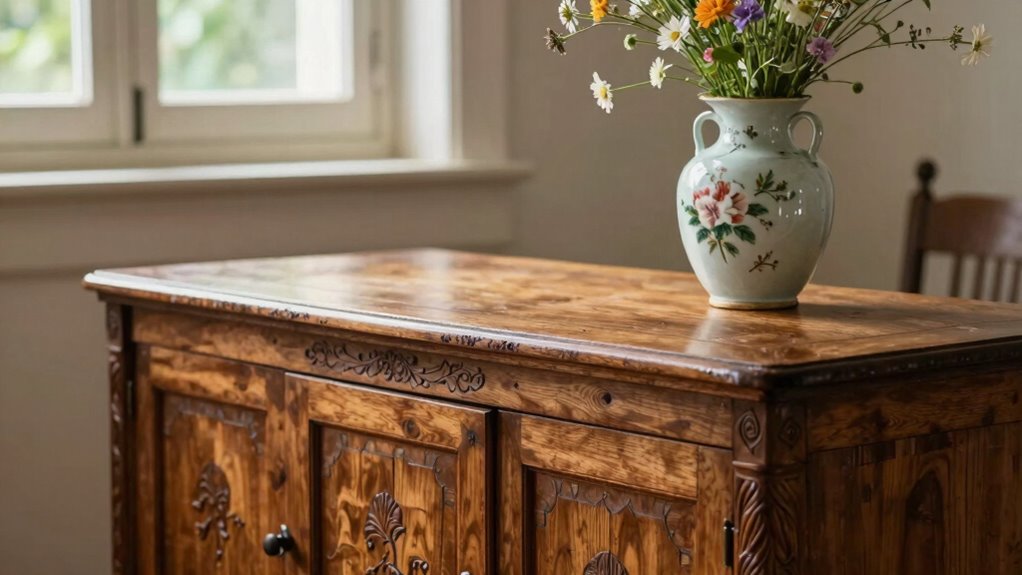
One of the key ways to guarantee your vintage finds are both sustainable and beautifully preserved is through proper restoration techniques. Restoration involves repairing and revitalizing pieces with a focus on maintaining their original character and integrity. Skilled restorers use methods that respect the craftsmanship, often employing traditional techniques that do not rely heavily on synthetic materials or harmful chemicals. This careful process extends the lifespan of antique furniture, making it a lasting fixture in your home and reducing the need for constant replacement. When done ethically, restoration enhances the sustainability of your pieces, as it preserves the value and history embedded in each item. Additionally, understanding the importance of ethical sourcing helps ensure your vintage and antique pieces are obtained responsibly and sustainably. Incorporating sustainable practices into the restoration process further supports environmental responsibility and minimizes ecological footprints. Moreover, engaging with reputable sources can also help you learn more about the provenance of your pieces, ensuring their authenticity and ethical background. Being aware of environmentally conscious restoration methods can also guide you in making more sustainable choices when maintaining your vintage furniture.
Proper restoration preserves authenticity, extends lifespan, and supports sustainability through traditional techniques and ethical practices.
Ethical sourcing is another vital element when building a sustainable interior with vintage and antique pieces. It’s important to guarantee that your purchases come from reputable sources that prioritize responsible practices. This means avoiding items that may have been illegally obtained or that contribute to the exploitation of workers or endangered materials. Reputable dealers often provide transparency about the provenance of their pieces, giving you confidence that your investment supports fair labor practices and conservation efforts. By choosing ethically sourced vintage furniture, you’re not just decorating your space—you’re making a statement about your values and commitment to sustainability. Moreover, transparency in sourcing helps consumers make informed decisions and supports a responsible vintage market.
Furthermore, vintage and antique pieces often come with a unique sense of history and craftsmanship that modern furniture can rarely match. Each item reflects the design trends and techniques of its time, offering a distinctive aesthetic that adds character to your space. When you combine thoughtful restoration with ethically sourced pieces, you create a sustainable interior that’s both environmentally responsible and rich in storytelling. This approach encourages a more mindful consumption pattern, emphasizing quality over quantity, and fostering an appreciation for craftsmanship and history.
Ultimately, integrating vintage and antique furniture into your home isn’t just about style; it’s a conscious choice to support sustainability. Through careful restoration techniques and ethically sourcing your items, you contribute to a more sustainable future while enjoying timeless beauty in your interiors.
vintage antique furniture restoration kit
As an affiliate, we earn on qualifying purchases.
As an affiliate, we earn on qualifying purchases.
Frequently Asked Questions
How Do Vintage Pieces Impact Indoor Air Quality?
Vintage and antique pieces often improve indoor air quality because they’re typically made from natural materials, reducing chemical emissions. When you choose these items, you’re supporting material safety, as many vintage pieces haven’t been treated with modern chemicals or synthetic finishes. This means fewer volatile organic compounds (VOCs) released into your indoor air, creating a healthier environment. Plus, their durability means you won’t need frequent replacements, further benefiting your indoor air quality over time.
Are Antique Items More Durable Than Modern Furniture?
Antique items are generally more durable than modern furniture because they were built with higher-quality materials and craftsmanship. Unlike modern manufacturing, which often prioritizes mass production, antiques emphasize material longevity and sturdiness. You’ll find that vintage pieces, crafted from solid wood and durable metals, can last for generations. So, investing in antiques means you get furniture that stands the test of time, reducing the need for frequent replacements.
How Can I Verify the Authenticity of Vintage Antiques?
You can verify the authenticity of vintage antiques through authenticity verification by researching their history, maker’s marks, and unique features. It’s also wise to seek an antique appraisal from a certified expert who can evaluate craftsmanship, materials, and provenance. Don’t rely solely on online claims—consult professionals and trusted sources to guarantee your piece is genuine, helping you make informed, sustainable choices for your interior.
Do Vintage and Antique Pieces Require Special Maintenance?
Think of vintage and antique pieces as living history—they do require special maintenance. Restoration techniques help preserve their charm, but preservation challenges like delicate materials or outdated finishes mean you must handle them with care. For example, a family heirloom table might need gentle cleaning and climate control to prevent cracking or warping. Regular, informed care keeps these treasures vibrant for generations, ensuring they continue to tell their stories beautifully.
Can Vintage Furniture Be Customized Without Losing Value?
Yes, you can customize vintage furniture without losing value by using careful restoration techniques and thoughtful customization options. Focus on preserving original features while making updates that suit your style. For example, you might reupholster a worn-out chair or refinish a tabletop with subtle touches. These approaches enhance the piece’s character and maintain its authenticity, ensuring your customization adds value rather than diminishes it.
Conclusion
Embracing vintage and antique pieces isn’t just about style—it’s about weaving the threads of history into your home’s fabric. These treasures act as silent guardians of sustainability, symbolizing resilience and continuity amid change. By choosing timeless pieces, you’re not only making eco-friendly choices but also creating a space that tells a story—one that echoes the enduring spirit of the past while nurturing a sustainable future. Your home becomes a sacred vessel, holding memories and hope for generations to come.
Fall Picks
fall essentials
As an affiliate, we earn on qualifying purchases.