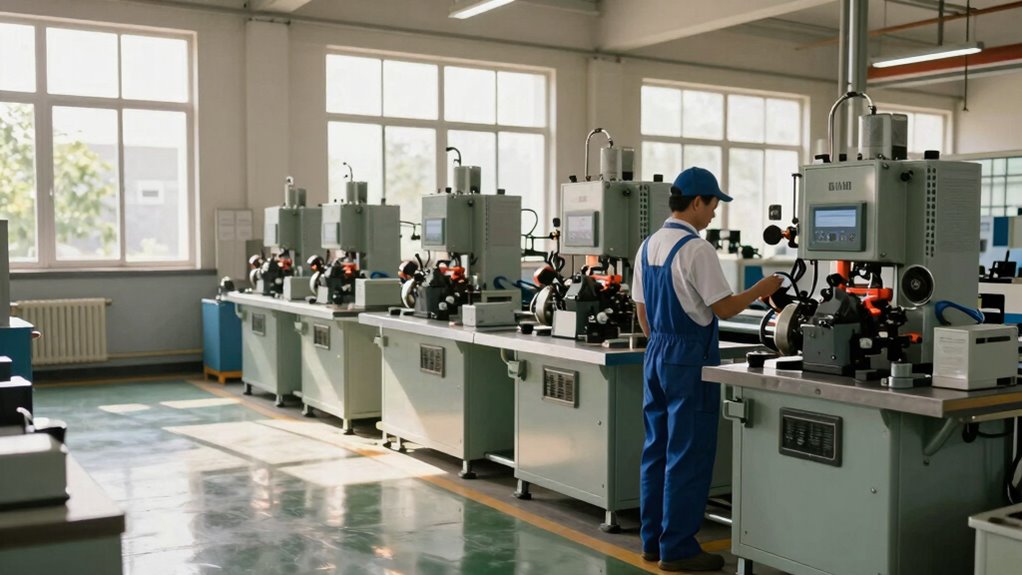

Better maintenance is a key sustainability strategy because it helps you extend equipment life, reduce waste, and lower energy use. When you keep machinery in good shape, it performs efficiently, consuming less resources and preventing costly breakdowns. This proactive approach promotes responsible practices and supports environmental goals. By maintaining your equipment properly, you not only save money but also contribute to a healthier planet—if you want to find out more, there’s plenty to explore.
Key Takeaways
- Proper maintenance extends equipment lifespan, reducing waste and conserving resources for environmental sustainability.
- Well-maintained machinery operates more efficiently, decreasing energy consumption and lowering carbon emissions.
- Regular upkeep prevents breakdowns, minimizing emergency repairs and associated resource waste.
- Maintenance fosters responsible practices among staff, supporting organizational sustainability goals.
- Incorporating modern maintenance methods enhances operational efficiency and aligns with eco-friendly development strategies.
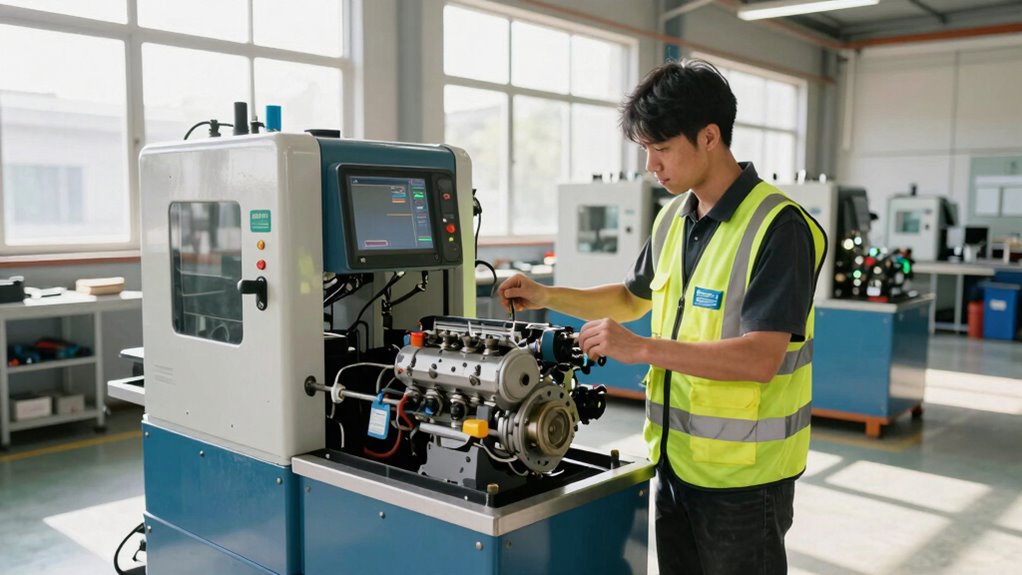
Maintaining systems and practices that prioritize sustainability is essential for ensuring long-term success. When you focus on proper maintenance, you’re not just keeping things running smoothly—you’re actively extending the equipment lifespan and enhancing energy efficiency. Regular upkeep prevents equipment from deteriorating prematurely, which means you get more value out of your investments and reduce the need for costly replacements. This approach minimizes waste and supports your organization’s sustainability goals by limiting the amount of discarded machinery, contributing to a cleaner environment.
Proper maintenance extends equipment lifespan, boosts energy efficiency, reduces waste, and supports long-term sustainability goals.
By implementing routine maintenance schedules, you help ensure that your equipment operates at peak performance. When machines are well-maintained, they require less energy to function, which directly boosts energy efficiency. This reduction in energy consumption translates into lower utility bills and a smaller carbon footprint, aligning your operations with eco-friendly practices. Additionally, well-maintained equipment is less likely to experience unexpected breakdowns, which can cause production delays and unnecessary resource expenditure. Keeping everything in top shape means fewer disruptions and a more reliable, resilient operation. Incorporating modern maintenance techniques can further enhance these benefits by leveraging new technology and data-driven insights.
Furthermore, proper maintenance fosters a culture of responsibility within your team. When everyone understands the importance of regular checks and timely repairs, it becomes a shared priority that promotes sustainability. You can adopt practices like inspecting machinery for wear and tear, cleaning filters, lubricating moving parts, and updating software or firmware. These actions help prevent minor issues from escalating into major problems, saving energy and extending equipment lifespan. Over time, this proactive approach reduces the need for emergency repairs, which are often less efficient and more resource-intensive. Proper maintenance also involves understanding modern toilet ideas and other bathroom fixtures, which can contribute to water conservation and efficiency. Regularly training staff on maintenance best practices can further embed these sustainable habits into your daily operations. Incorporating technological advances into maintenance routines can also improve accuracy and efficiency in identifying potential issues early.
Investing in maintenance also supports innovation and sustainable development. When your equipment is properly maintained, it operates more efficiently, reducing greenhouse gas emissions and conserving resources. This not only benefits the environment but also enhances your brand’s reputation as a responsible business. Customers and partners increasingly value sustainability, and your commitment to maintenance reflects an ethical stance that can differentiate you from competitors. Moreover, integrating best practices in system management can further optimize your operational efficiency and sustainability efforts. Developing a comprehensive understanding of maintenance best practices can help you implement more effective and sustainable strategies.
In essence, better maintenance isn’t just a routine task; it’s a strategic approach that underpins your sustainability efforts. It ensures your equipment lasts longer, uses energy more efficiently, and operates reliably—saving money and reducing environmental impact. By prioritizing maintenance, you’re actively contributing to a more sustainable future, demonstrating that responsible management today leads to long-term success tomorrow.

LKTHSEEK Equipment Maintenance Log Book 8.5 x 11 Inch 110 Pages Maintenance Record Notebook Tracking Repairs and Service Spiral Bound For Equipment Inspection and Maintenance
- All-in-One Maintenance Log: Tracks equipment details and service records
- Maintenance Schedule Fields: Records date, task, and costs
- Large Format & Extended Pages: Provides ample space for detailed entries
As an affiliate, we earn on qualifying purchases.
As an affiliate, we earn on qualifying purchases.
Frequently Asked Questions
How Does Maintenance Impact Overall Energy Consumption?
Maintenance directly impacts your energy consumption by ensuring equipment runs efficiently, which extends its lifespan and reduces the need for replacements. When you perform regular maintenance, you improve resource efficiency, minimizing energy waste caused by malfunctioning or outdated systems. By keeping equipment in prime condition, you lower overall energy use, reduce costs, and support sustainability goals, making maintenance a crucial part of your energy management strategy.
What Are the Cost Benefits of Proactive Maintenance?
Proactive maintenance is like tending a garden before weeds overrun it, saving you from costly repairs later. By using predictive analytics and proper maintenance scheduling, you catch issues early, reducing downtime and extending equipment lifespan. These practices lower operational costs, decrease energy waste, and prevent emergency repairs. Over time, your investment in proactive maintenance pays off through significant cost savings, making your operations more efficient and sustainable.
How Can Maintenance Practices Reduce Waste?
You can reduce waste by adopting maintenance practices that prioritize resource efficiency and timely interventions. Regular inspections and proactive repairs prevent equipment breakdowns, minimizing material waste and energy consumption. Implementing predictive maintenance techniques helps identify issues early, reducing unnecessary replacements and waste generation. By maintaining peak equipment performance, you not only cut costs but also contribute to sustainability through waste reduction, ensuring resources are used efficiently and responsibly.
What Training Is Needed for Sustainable Maintenance?
Ever wonder how you can guarantee maintenance supports sustainability? You need preventive training that emphasizes eco-friendly practices and skill development to keep equipment running efficiently. This training helps you identify issues early, reducing waste and energy use. Focus on developing skills that promote resource conservation, proper waste disposal, and sustainable operation techniques. By investing in this targeted training, you empower your team to uphold environmentally responsible maintenance, making sustainability an integral part of your operations.
How Does Maintenance Influence a Company’s Carbon Footprint?
Maintenance directly influences your company’s carbon footprint by extending equipment longevity and optimizing resource efficiency. When you perform regular, proactive maintenance, your machinery runs more efficiently, consumes less energy, and produces fewer emissions. This reduces waste and lowers your overall environmental impact. By prioritizing maintenance, you not only cut costs but also contribute to sustainability goals, making your operations more eco-friendly and resilient over time.
Conclusion
So, as you see, mastering better maintenance isn’t just about fixing things—it’s a game changer for sustainability. But here’s the twist: the real impact is just beginning. What if your next maintenance move could release even greater environmental benefits? The future of sustainability might depend on the choices you make today. Stay tuned, because the next step could surprise you—and it’s closer than you think. Are you ready to lead the change?