
To spot greenwashing in luxury home products, look beyond flashy eco labels and vague claims like “green” or “eco-friendly.” Check if the labels are backed by reputable third-party certifications such as FSC or PEFC, and verify their details independently. Be cautious of vague language and missing sourcing info, especially about recycled content. Transparent brands share detailed material and sourcing info, making their claims more trustworthy. Keep these tips in mind to navigate true sustainability — there’s more to uncover if you continue exploring.

Get furniture and decor delivered free — and shop member deals
- Fast, free delivery on millions of items
- Access to Prime Big Deal Days deals on October 6–7
- Prime Video, Amazon Music and more included
Key Takeaways
- Verify eco labels with reputable third-party certifications like FSC or PEFC, rather than trusting vague claims.
- Be cautious of vague language such as “eco-friendly” or “sustainable” without specific details or sourcing information.
- Look for transparency in material sourcing and detailed product information from the brand.
- Check if recycled content percentages are disclosed and whether certification standards are met.
- Stay informed about greenwashing tactics and critically assess the credibility of sustainability claims.
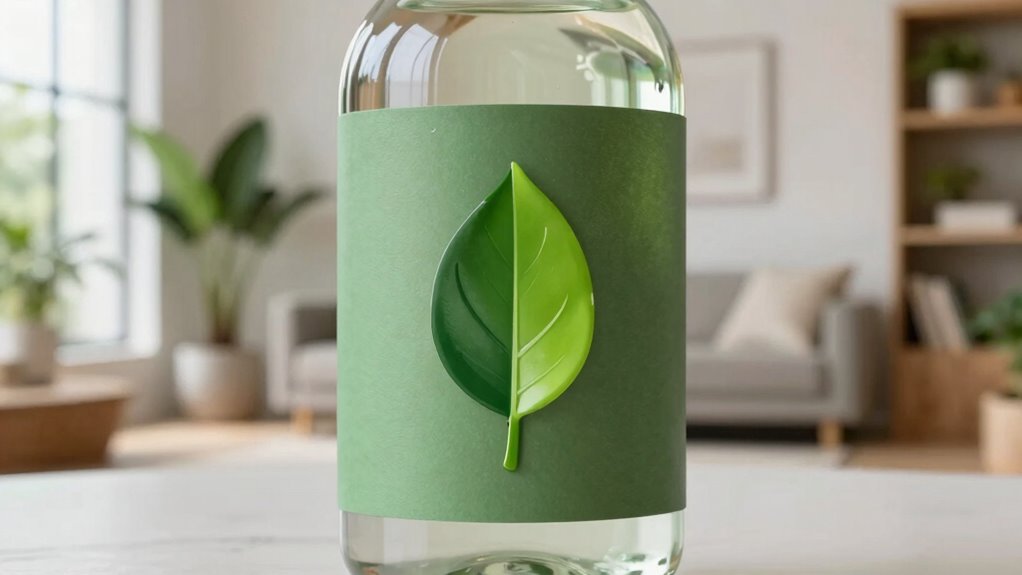
In today’s market, luxury home products often claim to be environmentally friendly, but not all of these assertions are genuine. It’s essential to scrutinize such claims carefully, especially when it comes to eco labels and sustainable material claims. While many brands tout certifications or eco-friendly tags, these labels can sometimes be misleading or inaccurately applied. You need to understand that eco label accuracy varies significantly across products. Some labels are backed by strict standards and third-party verification, giving you confidence that the product genuinely meets sustainability criteria. Others, however, are self-declared or lack rigorous verification, making it easy for brands to overstate their environmental benefits. Knowing what to look for can help you differentiate between authentic eco credentials and greenwashed marketing. Additionally, understanding the importance of sustainable living practices can further empower you to make environmentally conscious choices beyond just product labels. Recognizing the role of consumer education is also crucial, as informed buyers are less susceptible to marketing tricks that obscure the truth. Furthermore, being aware of eco label standards can help you better evaluate the credibility of various certifications and avoid falling for superficial claims. A thorough knowledge of environmental impact assessments can also aid in making more sustainable choices, ensuring that claims are not just superficial marketing tools. When evaluating sustainable material claims, be wary of vague language or overly broad statements. Words like “green,” “eco-friendly,” or “sustainable” can be used loosely and without substantiation. Instead, look for specific details about the materials used and their sourcing. For example, if a product claims to use sustainable wood, see whether it’s certified by recognized organizations like FSC or PEFC. These certifications verify that the wood comes from responsibly managed forests. If a luxury item boasts about using recycled materials, check whether the percentage of recycled content is disclosed, as vague claims can disguise minimal actual eco-friendly content. Transparency is key; brands that provide detailed information about their materials and sourcing are more likely to be honest about their sustainability efforts. Another important point is to be cautious of products that feature impressive-looking eco labels but lack explanation about what those labels entail. Sometimes, companies use eco labels as marketing tools, even if the actual environmental impact of their products remains questionable. Research the certification bodies associated with these labels—some are more reputable than others. If you can, verify the validity of these labels through independent sources or third-party audits. This step helps ensure the eco claims are more than just marketing tricks. It’s also helpful to stay updated on greenwashing tactics, which are increasingly sophisticated and targeted. Ultimately, your awareness and critical thinking are your best tools in spotting greenwashing. Don’t accept eco claims at face value. Dig deeper into the specifics of eco label accuracy and sustainable material claims. Ask questions, seek out transparent information, and verify certifications whenever possible. By doing so, you’ll make more informed choices and support genuinely sustainable luxury home products instead of falling for misleading green marketing.
FSC certified sustainable wood furniture
As an affiliate, we earn on qualifying purchases.
As an affiliate, we earn on qualifying purchases.
Frequently Asked Questions
Are Green Certifications Always Reliable Indicators of Eco-Friendliness?
Green certifications aren’t always reliable indicators of eco-friendliness because eco label deception and misleading claims can occur. You should be cautious, as some labels might be granted without strict standards, giving a false sense of sustainability. Always research the certifying organization and look for transparency in their criteria. Don’t rely solely on the label—consider the product’s full lifecycle and manufacturer’s practices to truly assess its eco-friendliness.
How Can I Verify a Luxury Brand’s Sustainability Claims Independently?
You can verify a luxury brand’s sustainability claims by researching their eco label authenticity and supply chain transparency. Look for third-party certifications that confirm genuine eco-friendly practices. Review the brand’s disclosures about sourcing and manufacturing processes, ensuring clarity and detail. Contact the company directly if needed, and seek independent reviews or reports. This approach helps you confidently identify true sustainability efforts and avoid greenwashing.
What Are Common Language Tricks Used in Greenwashing Luxury Products?
You should watch out for eco-friendly terminology that sounds impressive but lacks real meaning, like “natural” or “green,” which can be misleading labels. Luxury brands often use vague or vague-sounding claims to give an eco-friendly impression without backing them up. Be skeptical of buzzwords that don’t specify how products are sustainable. Always look for transparent details, certifications, or honest explanations rather than just attractive language.
Do Higher Prices Guarantee Environmentally Friendly Luxury Home Products?
You might think higher prices guarantee eco-friendliness, but that’s often not the case. Studies show nearly 80% of eco-labeled products are actually misleading, exposing eco label fakery. Price inflation can also mask greenwashing, making luxury items seem more sustainable than they are. Don’t rely solely on cost; scrutinize labels, certifications, and company claims to genuinely identify environmentally responsible products.
How Often Do Luxury Brands Update Their Sustainability Practices?
Luxury brands typically update their sustainability practices annually or biennially, but this varies widely. You should stay informed by checking their official sustainability reports and press releases for updates on their commitments. Keep in mind that some brands may update more frequently to meet new standards or respond to consumer demand. Regularly monitoring these updates helps you identify genuine efforts versus greenwashing, ensuring you support truly eco-friendly luxury products.
Conclusion
By staying vigilant and questioning claims, you can avoid being taken in by greenwashing. Remember, not everything that glitters is gold—sometimes brands just polish their image without real substance. Keep your eyes open and do your homework; the truth is often hidden beneath shiny marketing. When you’re informed, you hold the power to make truly eco-friendly choices, ensuring your home aligns with your values. Don’t let appearances fool you—dig a little deeper.
Fall Picks
fall essentials
As an affiliate, we earn on qualifying purchases.