To prevent slips without damaging your hardwood floors, choose a rug pad made of natural rubber or felt with a non-slip backing. Avoid adhesive-backed pads or thick, dense materials that could trap moisture or scratch the surface. Properly installing and regularly maintaining your pad keeps rugs secure and floors protected. If you want to learn more about selecting and maintaining the best rug pads for safety and longevity, keep exploring tips and tricks.
Key Takeaways
- Use non-slip, rubber-backed or felt rug pads designed specifically for hardwood floors to prevent slipping and damage.
- Avoid adhesive-backed pads that can leave residue or damage the finish upon removal.
- Choose thin, dense padding to ensure stability without causing uneven wear or trapping moisture.
- Regularly clean and inspect the pad and rug to maintain grip and prevent dirt buildup that could cause slips.
- Properly install the pad on a clean, debris-free surface, and secure the rug to prevent shifting and reduce fall risks.

BAGAIL Felt and Natural Rubber Backing Rug Pads 1/4” Thick, 5 x 7 Ft Non Slip Carpet Gripper Keep Rugs in Place, Under Area Rug Protective Cushioned Pads, Carpet Runners, Hardwood Floors Protection
Upgraded Cushioning and Grip: Unlike other pure felt pads, our pad has a durable natural rubber backing to…
As an affiliate, we earn on qualifying purchases.
As an affiliate, we earn on qualifying purchases.
Why Rug Pads Are Essential for Hardwood Floors
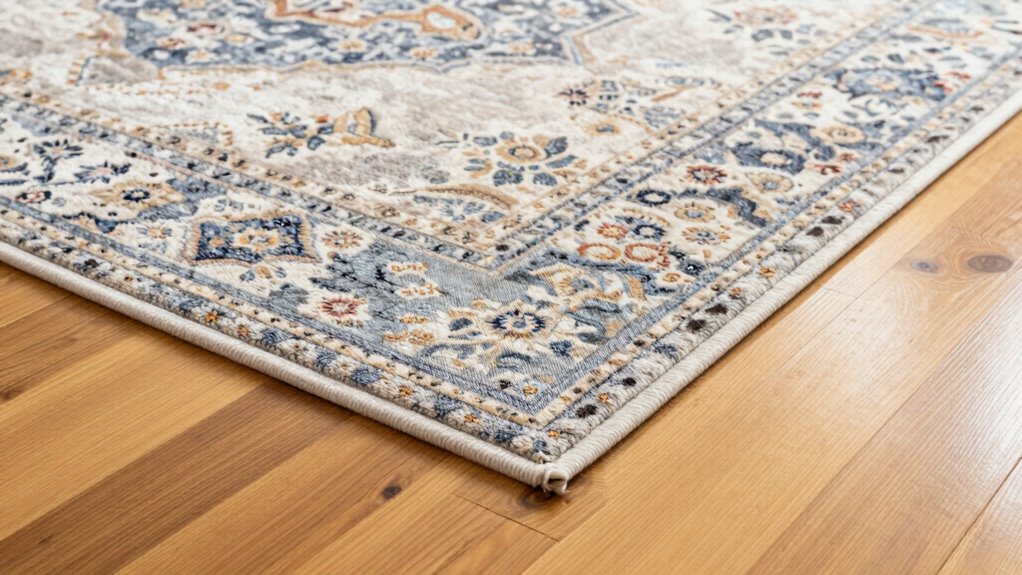
Hardwood floors are beautiful but can be easily damaged without proper protection, which is where rug pads come in. If you place area rugs directly on your hardwood, you risk scratching the surface every time you move or slide the rug. Rug pads create a barrier that prevents hardwood scratches caused by shifting or friction. They also help keep your area rugs in place, reducing the risk of slips and falls. Without a pad, heavy furniture or frequent foot traffic can cause wear and tear on your floors. A good rug pad absorbs impact and minimizes damage, ensuring your hardwood stays pristine longer. Investing in a quality pad not only protects your floors but also extends the lifespan of your area rugs. Additionally, choosing the right rug pad material can enhance safety and prevent slipping more effectively.

RUGPADUSA – Dual Surface – 8'x10' – 1/4" Thick – Felt + Rubber – Non-Slip Backing Rug Pad – Safe for All Floors
Strong gripping power – natural rubber backing keeps rugs anchored firmly in place; prevents slipping, sliding, and wrinkling…
As an affiliate, we earn on qualifying purchases.
As an affiliate, we earn on qualifying purchases.
How to Choose the Best Rug Pad for Hardwood Floors
Selecting the right rug pad for hardwood floors is vital to safeguard your surfaces and guarantee safety. Focus on rug pad materials that provide grip without damaging the finish, such as felt or rubber options. If you want decorative rug accents, choose pads with a slim profile that won’t interfere with your design aesthetic. Consider the thickness and density of the pad to ensure comfort and slip resistance. Avoid adhesive-backed or overly sticky pads that can harm the finish when removed. Look for quality materials designed specifically for hardwood, like natural rubber or felt combined with a non-slip backing. Your goal is a secure, stylish, and damage-free setup that complements your decor while keeping your floors protected. Incorporating appropriate rug pad materials can also enhance the longevity of your flooring.
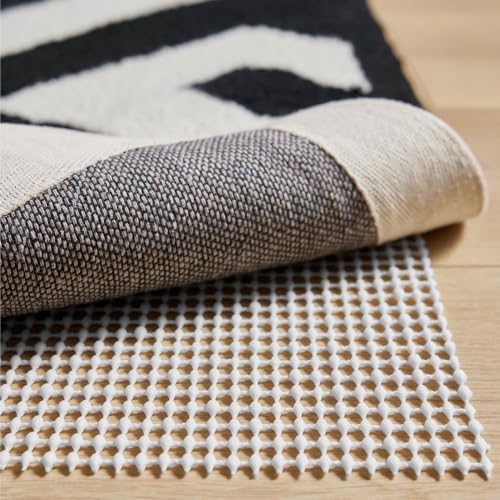
GORILLA GRIP® Strong Rug Pad Gripper, Grips Help Keep Area Rugs Safe in Place, Slip and Skid Resistant Pads for Tile and Hardwood Floors, Under Carpet Mat Cushion Floor Protection, 2×3 FT
THE ORIGINAL EXTRA STRONG GRIPPER: our trusted Gorilla Grip nonadhesive rug pads offer a unique, dual sided grip…
As an affiliate, we earn on qualifying purchases.
As an affiliate, we earn on qualifying purchases.
Top Rug Pad Types for Slip Prevention and Floor Safety
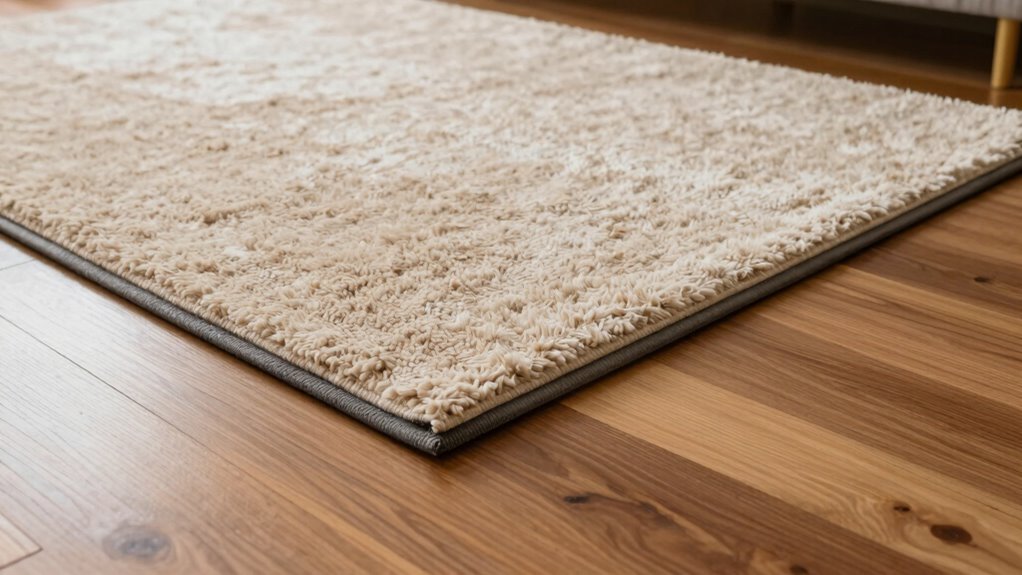
Choosing the right rug pad can considerably reduce slipping and protect your floors from damage. To guarantee safety, opt for pads made from fiber types like felt or rubber, which offer excellent grip and cushioning. These materials help prevent sliding while avoiding floor scratches. When selecting a pad, consider adhesive options that keep it securely in place without damaging the hardwood, such as non-adhesive or double-sided tape designed for floors. Floor protection is essential for maintaining the longevity and appearance of your hardwood surfaces. Some top rug pad types include: – Felt and rubber combinations for grip and cushioning – Non-slip microfiber pads with rubber backing – Felt pads with adhesive-free backing for easy repositioning These options promote slip prevention and floor safety, giving you peace of mind while protecting your hardwood surfaces.

Jorvila Non-Slip Rug Pad Gripper 8×10 Feet, Anti Skid Mat for Under Area Rugs, Keeps Rugs in Position and Safe, Thick Cushioned Carpet Pad for Hardwood Floors Protection
Strong Non-Slip Grip: Designed with a powerful double-sided grip, this rug pad effectively secures your carpet, preventing slipping,…
As an affiliate, we earn on qualifying purchases.
As an affiliate, we earn on qualifying purchases.
How to Install Rug Pads Safely and Protect Your Flooring
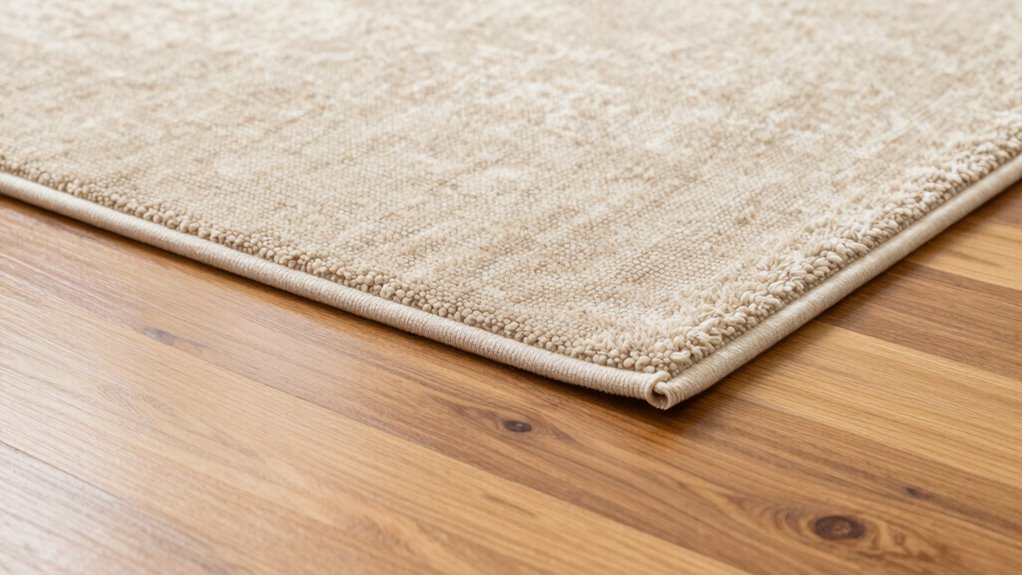
To install rug pads safely, start by choosing the right type for your hardwood floor to prevent damage and slipping. Use proper techniques to secure the pad without adhesives that can harm the finish. Keep your rug pad in good condition with regular maintenance to make certain of ongoing protection and safety. Incorporating simple organizing strategies can help maintain a clutter-free space, making it easier to regularly inspect and care for your rug pads.
Choose Appropriate Rug Pads
Finding the right rug pad is essential to safeguard your hardwood floors and guarantee safety underfoot. First, consider material considerations—look for pads made from non-slip, floor-friendly materials like felt or rubber that won’t damage your surface. Next, think about aesthetic options; choose transparent or low-profile pads if you want minimal visibility, or opt for decorative pads that complement your rug’s design.
- Material considerations: non-slip, floor-safe materials
- Aesthetic options: transparent, low-profile, decorative
- Compatibility: ensure the pad matches your rug size and type
Selecting the appropriate rug pad helps prevent slips and protects your hardwood, all while maintaining the look you desire. Make informed choices to maximize safety and style.
Proper Installation Techniques
Proper installation of your rug pad is essential to guarantee both safety and floor protection. To do this, place the pad directly on your hardwood, ensuring it’s flat and free of debris. If your rug has decorative designs, align them carefully with the pad to enhance appearance. For added stability, use flooring adhesives specifically designed for hardwood; apply sparingly along the edges to prevent slipping. Avoid adhesives that could damage the finish. Here’s a quick overview:
| Step | Tip | Result |
|---|---|---|
| Clean the surface | Remove dust and dirt | Prevents uneven placement |
| Position the pad | Align with rug pattern | Looks neat and secure |
| Use adhesives sparingly | Apply only along edges | No damage to flooring |
| Lay the rug | Smooth out wrinkles | Prevents slips and scratches |
Additionally, properly securing the rug pad can help maintain its position over time, reducing the risk of slips and floor damage. Following these steps guarantees a safe, damage-free installation.
Regular Maintenance Tips
Regular maintenance is key to guaranteeing your rug pad stays in good condition and continues to protect your flooring. To maintain slip resistance and prevent damage to your hardwood, regularly check your area rugs and rug pads for dirt, debris, or wear. Clean the rug pad with a vacuum or damp cloth as needed to keep it free of dust that can reduce slip resistance. Rotate your rugs periodically to prevent uneven wear and maintain grip. Also, inspect for any signs of damage or curling edges that might trip you or compromise the pad’s effectiveness. By staying proactive, you assure your area rugs remain secure, slip-resistant, and gentle on your hardwood floors. Additionally, understanding the materials and construction of your rug pad can help you select the best type for your flooring needs.
Maintenance Tips to Keep Rug Pads Effective and Rugs Secure
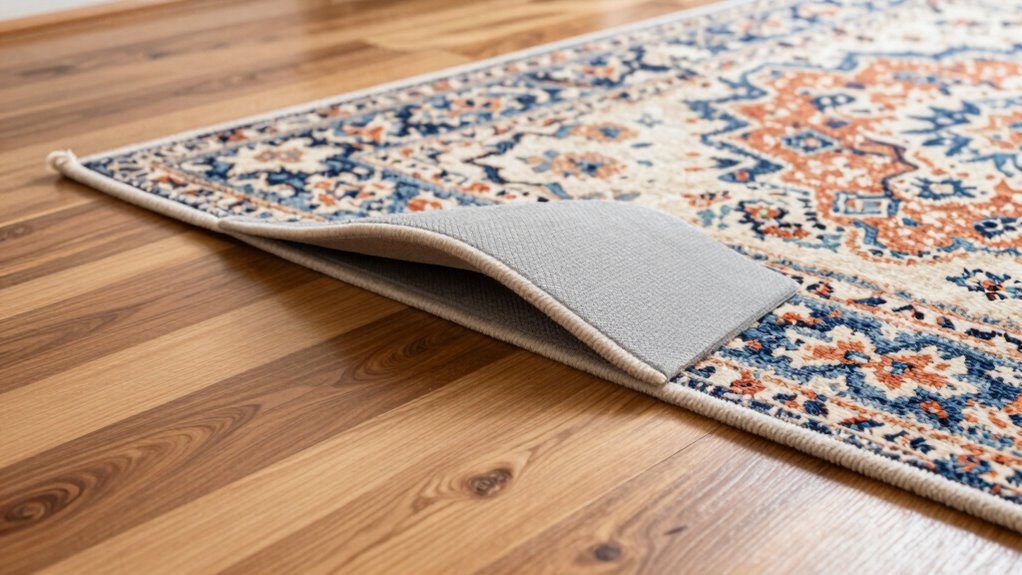
To keep your rug pads working well and your rugs secure, you need to stay on top of regular maintenance. Make sure to clean your rug pads often, use the right type for your flooring, and check for signs of wear or damage. Doing these simple steps will help your rugs stay in place and protect your hardwood floors. Additionally, understanding care and maintenance can extend the life of your rug pads and ensure safety.
Regularly Clean Rug Pads
Over time, dirt, dust, and debris can accumulate on your rug pad, reducing its grip and effectiveness. Regular cleaning keeps it secure and prolongs its lifespan, especially if you have decorative rug designs that need to stay in place. A clean rug pad also helps maintain the right rug pad thickness, preventing slipping and damage to your hardwood floors. To keep your rug pad in top shape:
- Shake or vacuum the rug pad regularly to remove surface dirt.
- Spot clean with a damp cloth for stubborn stains.
- Deep clean with mild soap and water periodically, ensuring it dries completely before placing the rug back.
- Incorporating proper calibration and material choice can further enhance the rug pad’s grip and longevity.
Maintaining a clean rug pad preserves its non-slip qualities, allowing your rugs to stay secure while protecting your floors.
Use Appropriate Rug Pads
Choosing the right rug pad is essential for keeping your rugs secure and protecting your hardwood floors. When selecting an area rug, pay attention to rug pad materials to guarantee compatibility and safety. For example, felt pads provide cushioning and are ideal for delicate rugs, while rubber or silicone-backed pads offer excellent grip and prevent slipping. Avoid using pads with harsh adhesives that could damage your flooring or stain your rug. Consider the thickness of the pad—too thick can cause uneven wear, while too thin may not provide enough grip or cushioning. Always match the rug pad to your rug size and material for maximum performance. Using the appropriate rug pad material helps extend your rug’s life and keeps it securely in place. Additionally, choosing eco-friendly and energy-efficient materials for your rug pads can contribute to sustainable living and reduce environmental impact.
Check for Wear and Tear
Regularly inspecting your rug pad is essential to guarantee it remains effective and safe. Over time, wear and tear can reduce rug pad durability, leading to slipping or damage to your hardwood floor. Check for signs like thinning, cracks, or uneven surfaces. If you notice any of these issues, it’s time to replace the pad. Maintaining the condition of your rug pad helps preserve its grip and prevents unnecessary movement. Ensuring proper adhesion and grip is crucial for safety and longevity. Keeping an eye on wear and tear ensures your rug stays secure and your hardwood floors stay protected. Regular checks extend the lifespan of your rug pad and maintain safety.
Common Mistakes to Avoid When Using Rug Pads on Hardwood
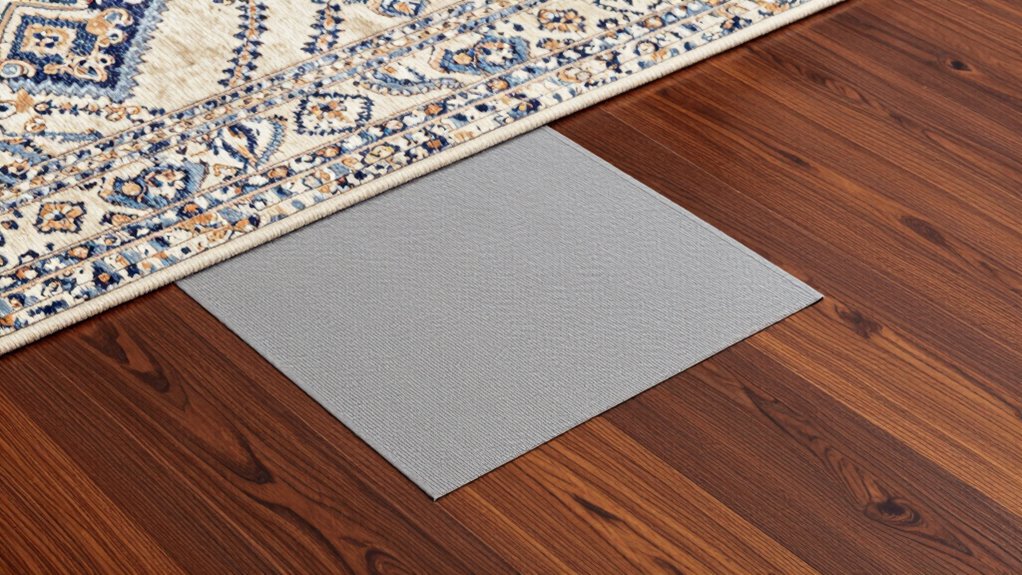
One common mistake to avoid when using rug pads on hardwood is selecting the wrong type of pad for your flooring. Not all rug pad materials are suitable for hardwood surfaces, and choosing the wrong one can cause damage or reduce grip. For example, some rubber-backed or latex-backed area rugs may react with certain rug pads, leading to discoloration or deterioration of your hardwood. Always verify that the rug pad materials are compatible with hardwood floors. Additionally, avoid using thick or dense pads that can trap moisture or impede airflow, which might cause warping over time. Opt for thin, non-slip pads designed specifically for hardwood to prevent slips without risking damage. Being mindful of the rug pad materials and the type of area rugs you use helps maintain your floor’s appearance and safety.
Frequently Asked Questions
Can Rug Pads Cause Discoloration or Damage Over Time?
Yes, rug pads can cause discoloration risks or pad damage over time if you choose the wrong type. Some pads contain materials that react with your hardwood, leading to staining or surface damage. To prevent this, opt for pads made from non-slip, natural, or latex-free materials. Regularly check your rug and pad for signs of wear or discoloration, and replace them as needed to maintain your floor’s integrity.
Are There Eco-Friendly or Non-Toxic Rug Pad Options Available?
You’ll be glad to know eco-friendly materials and non-toxic options for rug pads are widely available. These pads are made from natural latex, felt, or recycled fibers, so they’re safe for your home and the environment. You don’t have to worry about harmful chemicals harming your family or pets. Choosing these options guarantees your hardwood stays protected while supporting sustainable practices, giving you peace of mind and a healthier living space.
How Do Rug Pads Affect the Acoustics of Hardwood Floors?
Rug pads improve the acoustics of hardwood floors by absorbing sound and reducing vibrations. When you place a rug pad underneath, it minimizes noise from footsteps and footfalls, creating a quieter environment. The pad acts as a buffer, preventing vibrations from transferring through the floor, which helps dampen echo and noise. So, with a good rug pad, you’ll enjoy better sound absorption and a more peaceful, less noisy space.
Can Rug Pads Be Used on Heated or Radiant Flooring Systems?
Yes, you can use rug pads on heated or radiant flooring systems. Just make certain you select a rug pad designed for use with heated floors, typically made from breathable, non-slip materials. These pads help keep your rug in place without interfering with heat transfer. Avoid rubber or dense latex pads, as they can trap heat and damage your radiant systems. Always check manufacturer recommendations for compatibility.
What Are the Signs That a Rug Pad Needs Replacement?
You might notice rug pad wear or floor discoloration, signaling it’s time to replace your pad. Coincidentally, these signs often appear together, indicating the pad has degraded. When the pad becomes flattened, torn, or loses grip, it won’t protect your floor or prevent slipping anymore. If you see these signs, it’s best to replace the pad promptly to avoid further damage and maintain safety on your hardwood.
Conclusion
Using the right rug pad is like giving your hardwood floors a gentle hug—keeping them safe, slip-free, and looking beautiful. When you choose wisely, install carefully, and maintain your rug pads, you prevent damage and enjoy secure, stylish spaces. Think of it as a dance where every step is steady and confident. Protect your floors with the right touch, and your home will stay elegant and safe for years to come.