Natural fibers like wool, linen, cotton, and jute come from plants and animals, offering eco-friendly alternatives to synthetics. You’ll find wool great for insulation and durability, linen known for its elegance and breathability, cotton as soft and versatile, and jute valued for strength and sustainability. Each fiber has unique qualities and care needs, making them ideal for various projects. Explore further to discover how to identify genuine fibers and their many benefits.
Key Takeaways
- Natural fibers like wool, linen, cotton, and jute are eco-friendly, biodegradable, and require less energy than synthetics.
- Wool provides insulation and elasticity; linen is durable and breathable; cotton is soft and versatile; jute is strong and sustainable.
- Each fiber is sourced differently: wool from sheep, linen from flax, cotton from bolls, jute from stalks, with specific production methods.
- Authenticity can be tested via labels, texture, and burn tests, as natural fibers burn slowly with a characteristic smell.
- Proper care and blending enhance fiber durability and appearance, supporting sustainable use and environmental benefits.

Molithe 100% Wool Blanket, 62" x 86", Warm, Thick, Washable, Military Wool Blanket, Great for Camping, Outdoors, Sporting Events, Survival Kits
100% VIRGIN WOOL BLANKE – Our thick wool blanket is made with 100% virgin wool filling, with an…
As an affiliate, we earn on qualifying purchases.
As an affiliate, we earn on qualifying purchases.
What Are Natural Fibers and Why Do They Matter?
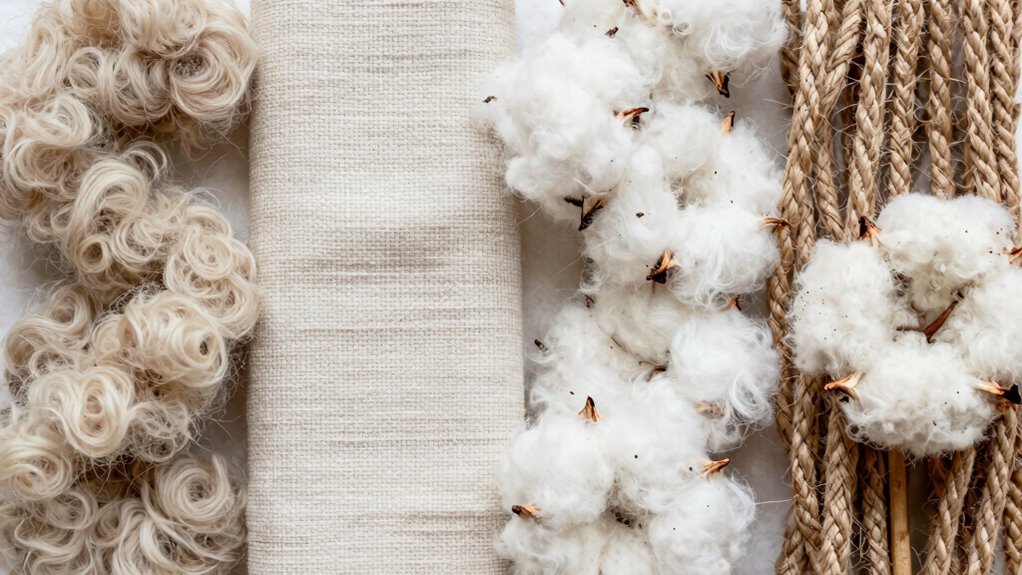
Have you ever wondered what makes some fibers more eco-friendly than synthetic ones? Natural fibers come from plants and animals, offering a sustainable alternative. They often require less energy during fiber dyeing, reducing environmental impact. Plus, natural fibers lend themselves well to textile blending, creating fabrics that are durable, breathable, and biodegradable. Unlike synthetic fibers, which are petroleum-based, natural fibers decompose more easily, lowering landfill waste. Their renewable nature supports sustainable practices, making them a better choice for eco-conscious consumers. By choosing fibers like cotton, wool, linen, or jute, you contribute to reducing pollution and conserving resources. Additionally, high-quality fibers undergo less chemical processing, further minimizing their environmental footprint. Understanding what natural fibers are and why they matter helps you make more informed, environmentally responsible decisions in fashion and textile production.

Barcelonetta | Linen Fabric | Natural Linen Cloth | Embroidery, Sewing | Soft, Breathable | 55" Wide | 70% Linen, 30% Rayon | Hemp, Jute, Needlework, Lining (Natural, 2 Yard)
HIGH THREAD COUNT – Indulge in luxury crafting with this premium linen fabric, boasting a higher thread count,…
As an affiliate, we earn on qualifying purchases.
As an affiliate, we earn on qualifying purchases.
Wool: Characteristics, Types, and Common Uses

Wool stands out among natural fibers for its unique combination of warmth, elasticity, and durability. Its fiber properties include excellent insulating qualities, moisture-wicking ability, and natural elasticity, making it comfortable and long-lasting. Wool production techniques, such as shearing, cleaning, and spinning, preserve these qualities while ensuring quality. Different types of wool, like merino or coarse wool, serve various purposes, from fine garments to rugged outdoor gear. Wool is commonly used in sweaters, suits, blankets, and carpets, thanks to its resilience and insulating power. Its natural resilience allows it to retain shape and resist wrinkling. Additionally, the process of water-based cleaning methods helps maintain wool’s properties without damaging the fibers. Overall, wool’s versatile fiber properties and traditional production methods make it a popular choice for many clothing and home applications.
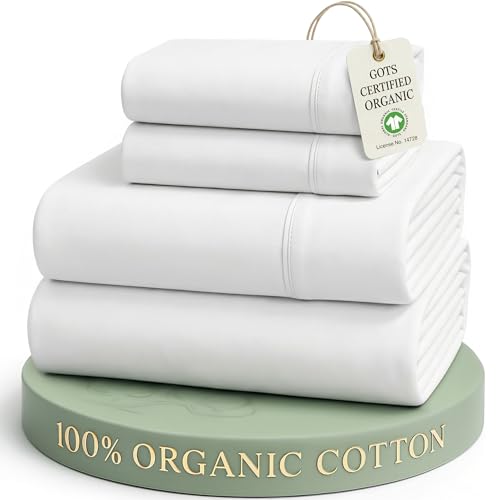
LANE LINEN Eco Friendly 100% Organic Cotton Queen Sheet Set, Soft & Comfy Fully Elasticized 15" Deep Pocket Bed Sheets, Low Pill Naturally Cooling Machine Wash Sábanas Queen- White Bed Sheets
Naturally Cooling Organic Comfort : Stay cool and comfortable with Lane Linen 100% Organic Cotton Percale Sheets, made…
As an affiliate, we earn on qualifying purchases.
As an affiliate, we earn on qualifying purchases.
Linen: How It’s Made and Why It’s Popular
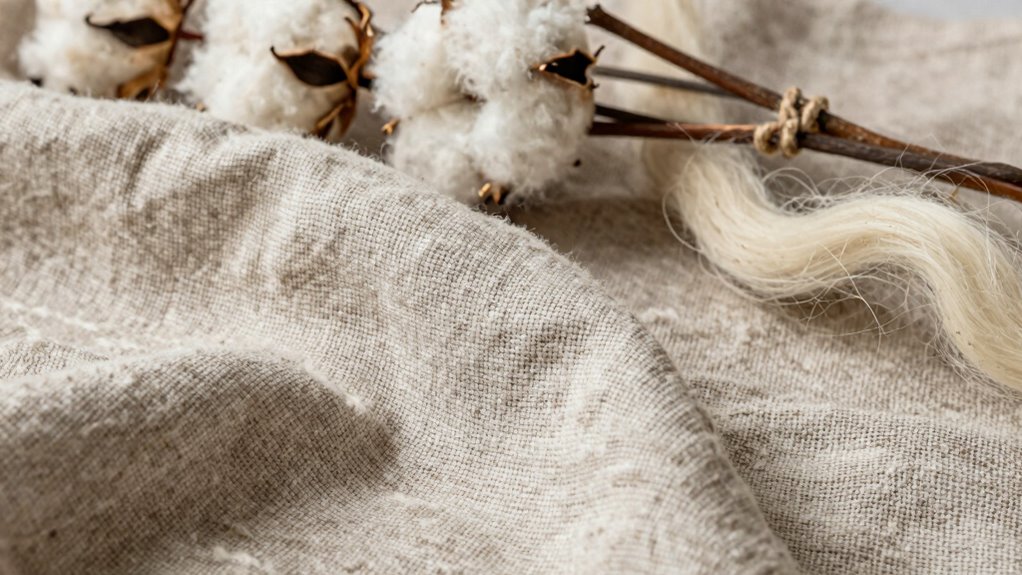
Linen is made from the fibers of the flax plant, which are extracted through a process called retting, where the plant stalks are soaked to loosen the fibers. Once harvested, the fibers are spun into yarn, then woven into linen fabric. Linen garment history dates back thousands of years, valued for its durability and elegance. Today, linen remains popular because it’s lightweight, breathable, and naturally resistant to bacteria. Proper linen fabric care involves gentle washing, avoiding harsh detergents, and air drying to prevent wrinkles. Its long-lasting nature makes it a favorite for both casual and formal wear. Because linen ages gracefully, many appreciate its unique texture and timeless appeal, keeping it a staple in clothing and home textiles. Understanding linen’s durability highlights its ability to improve with age and use, contributing to its sustainability and timeless appeal.

Reginary 16 Pack Burlap Tote Gift Bags with Soft Handles Heavy Duty Multipurpose Jute Shopping Bags for Women Shopping DIY Pool Beach Trip Bridesmaid Wedding (Black Trim)
Sturdy Material: this package has 16 packs of tote bags, which are made of unbleached quality burlap (jute)…
As an affiliate, we earn on qualifying purchases.
As an affiliate, we earn on qualifying purchases.
Cotton: The Most Widely Used Natural Fiber

You probably wear cotton every day, but have you thought about how it’s produced and its environmental effects? Understanding the cotton production process reveals its resource demands and impact on ecosystems. Exploring these issues helps you see the broader consequences of choosing this popular fiber.
Cotton Production Processes
Have you ever wondered how cotton transforms from a delicate fiber into the fabric used worldwide? It all begins with cotton harvesting, where ripe bolls are carefully picked or mechanically gathered. Next, the cotton fibers are separated from seeds through ginning. Once cleaned, the fibers move to fiber spinning, where they’re twisted into threads ready for weaving. This process guarantees the cotton is prepared for textile production efficiently and effectively. The following table summarizes the key stages:
| Stage | Description | Equipment Used |
|---|---|---|
| Cotton Harvesting | Picking mature cotton bolls | Mechanical pickers |
| Ginning | Separating fibers from seeds | Cotton gin |
| Fiber Cleaning | Removing impurities | Cleaning machines |
| Fiber Spinning | Twisting fibers into yarn | Spinning frames |
| Fabric Weaving | Interlacing yarns into fabric | Looms |
Additionally, understanding the fiber spinning process is essential for ensuring the quality and durability of the final textile product.
Environmental Impact of Cotton
Cotton cultivation and processing considerably impact the environment, from water consumption to chemical use. Growing cotton demands vast amounts of water, straining local water sources and making water conservation essential. Pesticide use is widespread to protect crops from pests, but it can harm ecosystems and pollute soil and water. Imagine sprawling fields drenched in irrigation, pesticide drift affecting nearby wildlife, and soil degraded over time. The environmental footprint of cotton includes:
- Heavy water use draining rivers and aquifers
- Pesticides contaminating soil and water
- Soil erosion from intensive farming
- Loss of biodiversity due to chemical runoff
- High energy consumption during processing
Reducing pesticide use and improving water management are critical steps toward making cotton more sustainable for the planet.
Jute: The Versatile and Sustainable Fiber
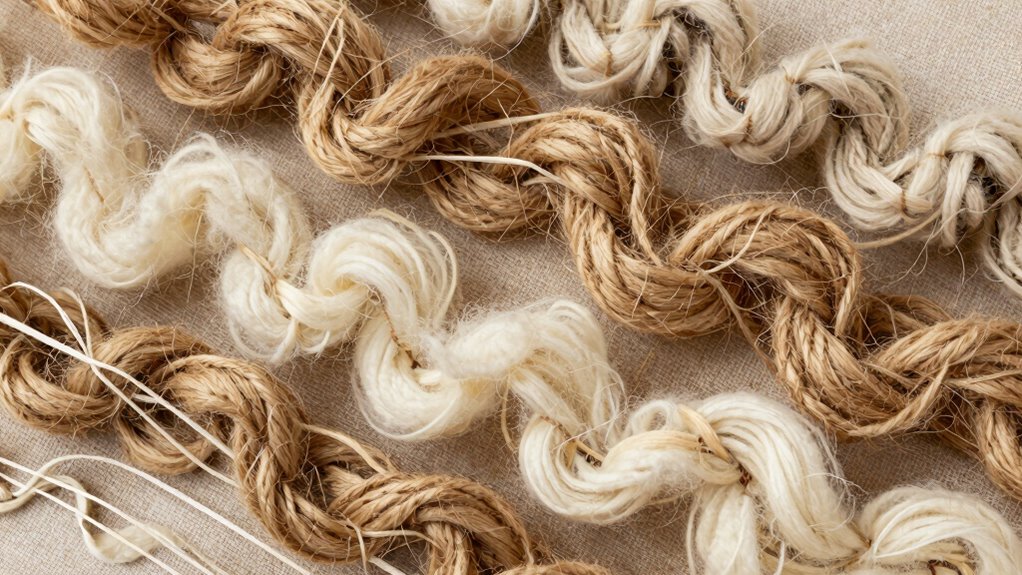
Jute, often called the “golden fiber,” stands out as one of the most versatile and sustainable natural fibers available today. Its fiber processing is straightforward, involving retting, drying, and stripping, which makes it eco-friendly and cost-effective. Because jute grows quickly and requires minimal chemical inputs, it’s a highly sustainable harvesting option. You’ll find jute used in everything from sacks and rugs to biodegradable packaging, thanks to its durability and eco-credentials. Its natural sheen and strength make it a popular choice for eco-conscious consumers. Plus, jute’s ability to improve soil health after harvesting adds to its sustainability. Proper harvesting techniques can enhance the fiber quality and environmental benefits of jute. Whether for industrial or artisanal use, jute’s versatility and eco-friendly profile make it a smart fiber choice for sustainable living.
How Can You Tell If a Fabric Is Made From Genuine Natural Fibers?
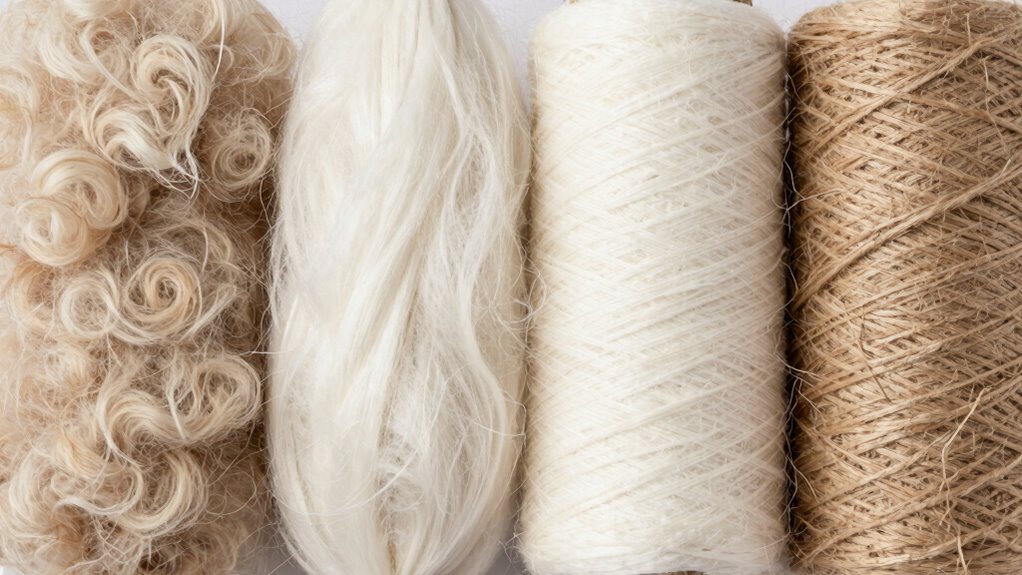
To verify if a fabric is made from genuine natural fibers, start by checking the label for fiber content. You can also perform simple physical tests, like feeling the fabric’s texture, or conduct a burn test to observe how it reacts. These quick checks help you confirm the authenticity of natural fibers easily. Additionally, understanding the characteristics of fibers like wool, linen, cotton, and jute can assist in identifying authentic materials based on their fiber properties.
Fabric Label Inspection
Inspecting fabric labels is one of the easiest ways to determine if a material is made from genuine natural fibers. Look for specific terms like “100% cotton,” “linen,” or “wool” to confirm authenticity. Be aware that labels may also mention fabric dyeing, which can indicate natural or synthetic dyes used. If the label lists fiber blending, check the percentage of natural fibers included. Visual cues can help too: imagine soft, breathable textures, or the matte finish typical of linen and jute. Labels might also specify the fiber origin, like “organic cotton” or “raw wool.” Recognizing these details helps you distinguish genuine natural fibers from blends or synthetic fabrics. A clear label guarantees you understand what you’re buying, giving confidence in your choice. Additionally, understanding fiber blending percentages can help determine the fiber’s authenticity and quality.
Physical and Burn Test
Once you’ve checked the label and confirmed the fabric claims, performing physical and burn tests offers a practical way to verify if the material is genuinely natural. For the burn test, carefully cut a small piece and light it with a match. Natural fibers like wool, cotton, linen, and jute tend to burn slowly, producing a smell similar to burning hair or paper, and leave a soft, ash-like residue. If the fabric is a fiber blend, the burn behavior may vary, and dye absorption can reveal differences—natural fibers often absorb dye deeply, resulting in rich, vibrant colors. Synthetic fibers tend to melt, burn quickly, and produce chemical fumes. These tests help distinguish genuine natural fibers from synthetics or blends, giving you confidence in your fabric’s authenticity. Additionally, understanding the environmental considerations of natural fibers emphasizes their minimal impact and sustainability benefits.
What Are the Benefits and Drawbacks of Wool, Linen, Cotton, and Jute?
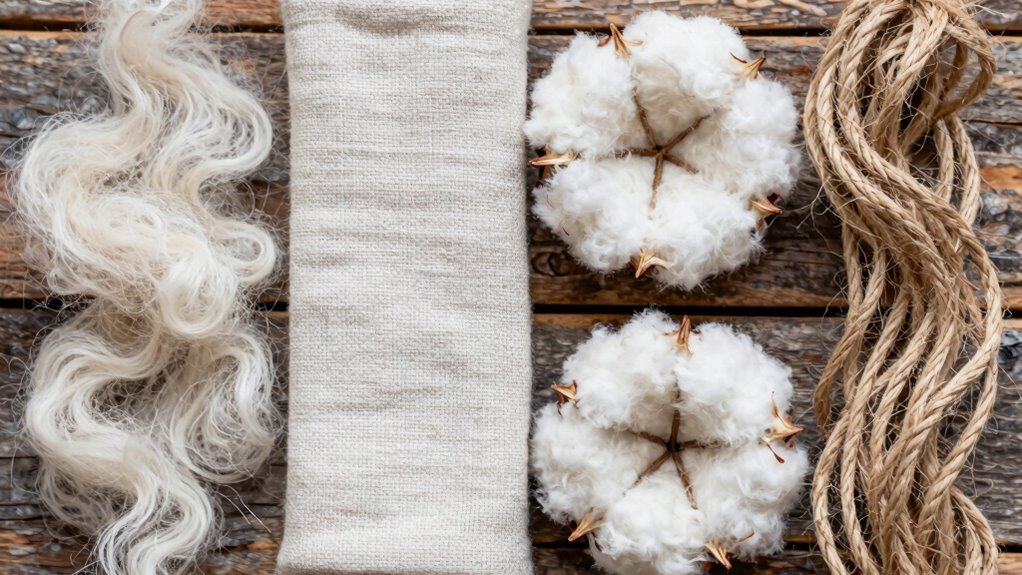
Have you ever wondered what makes wool, linen, cotton, and jute popular choices for natural fibers? Each offers unique benefits and drawbacks. Wool’s warmth and elasticity make it great for cold climates, but it can be itchy and requires special care. Linen is durable and breathable, yet prone to wrinkling. Cotton feels soft and versatile, though it absorbs water easily and isn’t as eco-friendly as natural fibers. Jute is affordable and biodegradable, but it’s coarse and less comfortable against the skin. Compared to synthetic alternatives, these fibers often require less energy for fiber recycling and decompose naturally, reducing environmental impact. Think of a cozy wool sweater, a crisp linen shirt, a soft cotton towel, or a rough jute bag—you get the picture of their distinct qualities. Additionally, fiber processing methods can influence the overall sustainability and performance of these natural fibers.
Why Are Natural Fibers Considered Eco-Friendly and Sustainable?

Natural fibers like wool, linen, cotton, and jute are often praised for their eco-friendly and sustainable qualities, making them attractive choices for environmentally conscious consumers. These fibers come from renewable sources, and their production often involves eco conscious farming practices that minimize environmental impact. Additionally, natural fibers support fiber recycling, reducing waste and encouraging circular economies. They typically require less energy to produce compared to synthetic materials and are biodegradable, which helps lessen landfill accumulation.
| Benefit | Explanation |
|---|---|
| Eco conscious farming | Promotes sustainable cultivation methods |
| Fiber recycling | Allows reuse and reduces environmental waste |
| Biodegradability | Breaks down naturally, reducing pollution |
| Lower energy use | Consumes less energy during production |
How to Choose the Right Natural Fiber for Your Projects

Choosing the right natural fiber for your project depends on understanding the specific properties and applications of each material. Consider how fiber dyeing affects color vibrancy and longevity, especially with fibers like wool and cotton. For example, European cloud innovation emphasizes sustainable practices that can influence fiber production methods. For durability and texture, linen offers a crisp feel, while jute provides a rustic, coarse finish. Think about textile blending—combining fibers can enhance strength, softness, or appearance. Visualize:
- Soft wool, warm and insulating
- Smooth linen, breathable and crisp
- Cotton, versatile and easy to dye
- Coarse jute, sturdy and eco-friendly
- Blended fibers, tailored for specific needs
Frequently Asked Questions
How Do Natural Fibers Compare to Synthetic Alternatives in Durability?
Natural fibers generally have lower fiber strength compared to synthetic alternatives, but they often excel in longevity with proper care. You’ll find that cotton and linen can last years if maintained well, while wool offers resilience and warmth. Synthetic fibers tend to be more durable and resistant to wear and tear, but natural fibers provide eco-friendly benefits. So, your choice depends on balancing fiber strength with desired longevity and sustainability.
Are Natural Fibers Suitable for Sensitive Skin or Allergies?
You might think natural fibers are perfect for sensitive skin, but surprise—you could still face allergy concerns. Wool, for instance, contains lanolin, which irritates some skin sensitivity. Cotton and linen are usually gentler, but natural fibers aren’t universally hypoallergenic. So, if you have allergies, it’s wise to test a small patch first. Don’t assume natural means trouble-free—sometimes, it’s the unexpected irritant you should watch out for.
Can Natural Fibers Be Recycled or Repurposed Effectively?
Yes, natural fibers can be recycled and repurposed effectively. You can participate in fiber recycling programs that break down old textiles into new materials, reducing waste. Eco-friendly repurposing options include turning worn-out linen or cotton into cleaning rags or crafting projects. By choosing natural fibers, you support sustainable practices and extend the life of these materials, making your eco-conscious efforts impactful and beneficial for the environment.
What Are the Care and Maintenance Tips for Natural Fiber Textiles?
To keep your natural fiber textiles looking their best, follow fiber cleaning and storage tips diligently. Wash them gently with mild detergent, avoid harsh chemicals, and air dry to prevent damage. Store fibers in a cool, dry place, protect them from pests, and keep them folded or hung properly. These practices help preserve their quality, extend their lifespan, and maintain their natural beauty over time.
How Do Natural Fibers Perform in Various Climate Conditions?
Natural fibers perform well across various climate conditions thanks to their inherent climate adaptability and fiber insulation properties. Wool keeps you warm in cold weather, while linen and cotton stay cool and breathable in hot climates. Jute’s moisture-wicking abilities help manage humidity. You’ll find that these fibers naturally adjust, providing comfort and insulation whether you’re in a chilly or humid environment, making them versatile choices year-round.
Conclusion
Choosing the right natural fiber is like finding the perfect thread to weave your story—each has its unique texture and tale. Wool, linen, cotton, and jute offer sustainable options that nourish both your projects and the planet. By understanding their qualities, you can craft with confidence, ensuring your choices are as timeless as they are eco-friendly. Embrace these fibers, and let them be the roots of your creative journey.