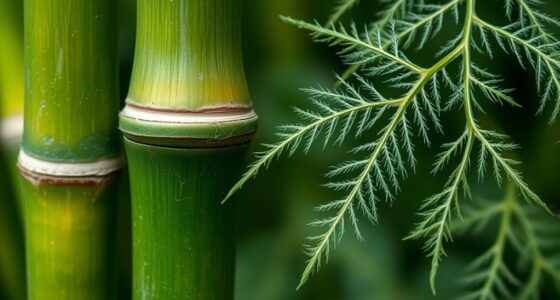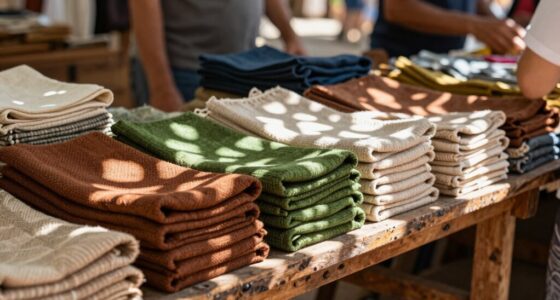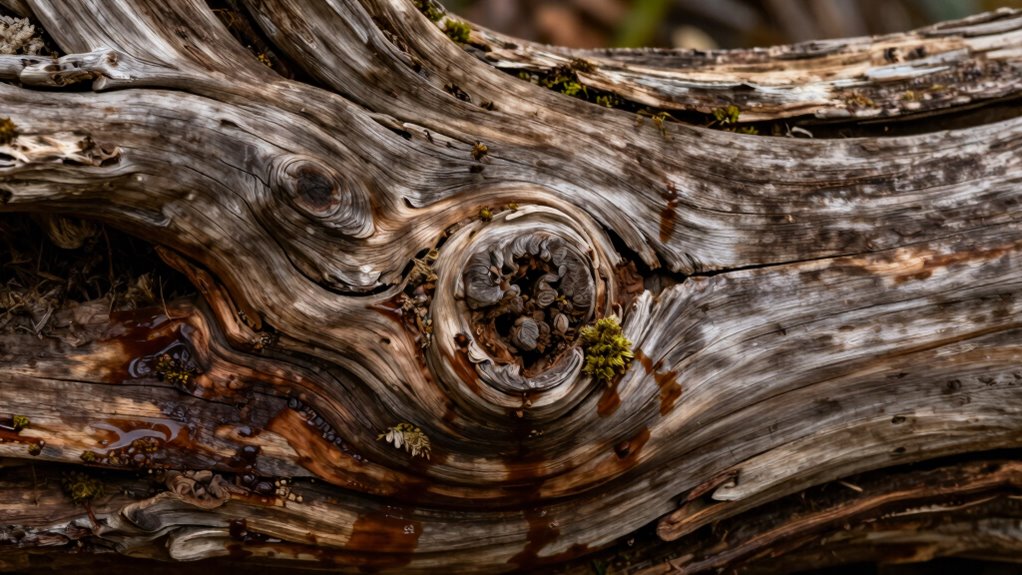

Natural materials like leather, wood, and stone typically improve with time, gaining beauty, strength, and character. Leather deepens in color and becomes softer, developing a rich patina that speaks to its history. Wood becomes more stable and resilient as fibers settle, while stone lasts longer, with minerals settling into stronger forms. Over time, these materials embrace imperfections, enhancing their unique appeal. Keep exploring to discover how these natural qualities evolve beautifully with age.

Get furniture and decor delivered free — and shop member deals
- Fast, free delivery on millions of items
- Access to Prime Big Deal Days deals on October 6–7
- Prime Video, Amazon Music and more included
Key Takeaways
- Leather develops a rich patina, deepening color and softness over time.
- Wood becomes more stable, resilient, and gains unique character with age.
- Stone surfaces enhance durability and develop unique textures through mineral settling.
- Natural materials like leather and wood embrace imperfections, gaining authenticity and visual appeal.
- Proper aging reveals distinct patterns, textures, and depth of color, increasing their aesthetic value.

Natural materials have a remarkable ability to improve over time, often becoming stronger, more durable, and more beautiful as they age. When you choose materials like wood, leather, or stone, you’re investing in something that naturally matures, gaining character and resilience with each passing year. When these materials are properly cared for, their aging process can be even more pronounced, enhancing their overall appeal and longevity. Unlike synthetic alternatives, which are often designed to stay static, natural materials evolve, revealing unique patterns, textures, and a depth of color that can’t be replicated artificially. This aging process isn’t just about appearance; it enhances their structural qualities too. For example, wood becomes more stable and less prone to warping as its fibers settle, making it a favorite for furniture and flooring that ages gracefully.
Natural materials improve with age, gaining strength, character, and beauty over time.
You might think that modern manufacturing techniques could level the playing field, but they often focus on consistency and uniformity, which can limit the natural aging process. Synthetic alternatives, while durable and low-maintenance, don’t develop the same depth or character over time. They tend to remain unchanged, giving you a product that looks the same after years of use. However, natural materials embrace their imperfections, turning wear and tear into a part of their story. Leather, for instance, develops a rich patina, deepening in color and gaining a softer, more supple feel. Over time, this natural aging process adds authenticity and a sense of history that synthetic options simply can’t match. This process highlights the importance of material authenticity in creating timeless pieces.
In addition to their aesthetic appeal, natural materials often improve in functionality as they age. Stone, such as marble or granite, becomes more resilient as it’s exposed to the environment, with certain minerals strengthening or settling into a more stable form. This process enhances durability** and contributes to the long-lasting quality of natural stone. When you work with natural materials, you’re allowing nature’s own processes to take their course, resulting in a product that becomes more refined over time. Organic evolution gives these materials the ability to adapt and flourish, which modern manufacturing techniques may struggle to replicate. Interestingly, natural materials also often develop a patina that enhances their aesthetic value and signifies their age and authenticity. This makes natural choices particularly appealing if you value authenticity, durability, and the unique beauty** that only time can bring.
Ultimately, the appeal of natural materials lies in their ability to improve and develop character over the years. While synthetic alternatives serve well for specific needs, they lack the natural aging process that enhances the uniqueness and strength of materials like wood, leather, and stone. By embracing these natural options, you’re investing in objects that grow more beautiful, resilient, and meaningful with each passing year.
As an affiliate, we earn on qualifying purchases.
Frequently Asked Questions
Do All Natural Materials Improve With Age?
Not all natural materials improve with age. While some, like leather and certain woods, develop a richer patina through natural aging, others may degrade or become brittle. Synthetic imitations often don’t age the same way, lacking the natural processes that enhance authenticity. Manufacturing processes can influence how well a material ages, but generally, natural materials tend to improve in appearance and character over time, unlike their synthetic counterparts.
How Long Does It Take for Natural Materials to Improve?
Natural materials like wood, leather, and stone often improve over years, enhancing their aesthetic appeal and durability. Typically, it takes several years—sometimes a decade or more—for these materials to develop a rich patina or deepen in color. Your patience can lead to significant aesthetic enhancement, but keep durability concerns in mind; proper maintenance is key to ensuring they age gracefully without deterioration.
Are There Natural Materials That Degrade Over Time Instead?
Yes, some natural materials can degrade over time, especially if exposed to elements or improper care. Unlike synthetic imitations, which often resist decay, materials like certain woods or textiles break down without chemical preservation. Over time, environmental factors can cause these natural substances to weaken, rot, or discolor. If you want longevity, understanding which materials are vulnerable helps you protect and preserve their natural beauty before it’s too late.
Can Natural Materials Be Artificially Aged to Enhance Appearance?
Yes, you can artificially age natural materials to enhance their appearance. Techniques like artificial aging create a surface patina that mimics natural wear and age, giving materials a vintage or rustic look. By applying specific treatments or processes, you can achieve a desirable aged aesthetic quickly, making the surface look more authentic and charming without waiting years for natural aging.
What Environmental Factors Affect the Aging Process of Natural Materials?
You’re right on the mark—environmental humidity and UV exposure considerably influence how natural materials age. High humidity can cause swelling or mold, while prolonged UV rays can fade or weaken surfaces. These factors accelerate wear, but they can also give materials a unique patina that’s hard to replicate artificially. To keep your natural materials looking their best, control humidity levels and shield them from harsh sunlight whenever possible.
Conclusion
As you watch natural materials age, they become like fine wines, deepening in character and charm. Wood develops a rich patina, leather softens and gains warmth, and stone tells stories through gentle wear. Embrace this beautiful transformation, for it’s nature’s way of adding layers of history and personality. With time, these materials don’t just age—they bloom, revealing their true beauty and soul, turning every mark and change into a treasured part of their story.
Fall Picks
fall essentials
As an affiliate, we earn on qualifying purchases.