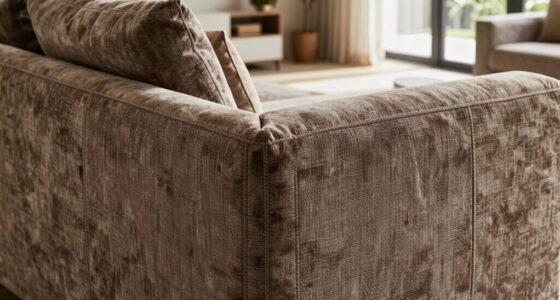
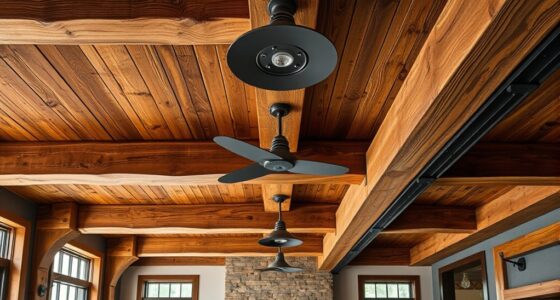
To incorporate circular design principles into luxury interiors, focus on designing spaces that emphasize disassembly and reuse from the start. Choose materials and construction methods that allow for easy separation and repurposing of components, like avoiding glued joints or permanent fixtures. Incorporate modular furniture that can be reconfigured or expanded over time, and upcycle old or discarded items to add character. This approach creates stylish, sustainable environments that are adaptable and environmentally responsible—discover how to make your interiors truly forward-thinking.

Get furniture and decor delivered free — and shop member deals
- Fast, free delivery on millions of items
- Access to Prime Big Deal Days deals on October 6–7
- Prime Video, Amazon Music and more included
Key Takeaways
- Incorporate modular furniture with easily disassemblable components to facilitate reuse and adapt to changing needs.
- Use sustainable, salvageable materials like reclaimed wood and vintage textiles to enhance luxury appeal sustainably.
- Design furniture and fixtures without permanent adhesives or fixed joints, enabling effortless disassembly and component reuse.
- Plan for lifecycle management by selecting materials and construction methods that support recycling and repurposing.
- Blend high-end aesthetics with circular principles by integrating upcycled elements that add texture, character, and exclusivity.
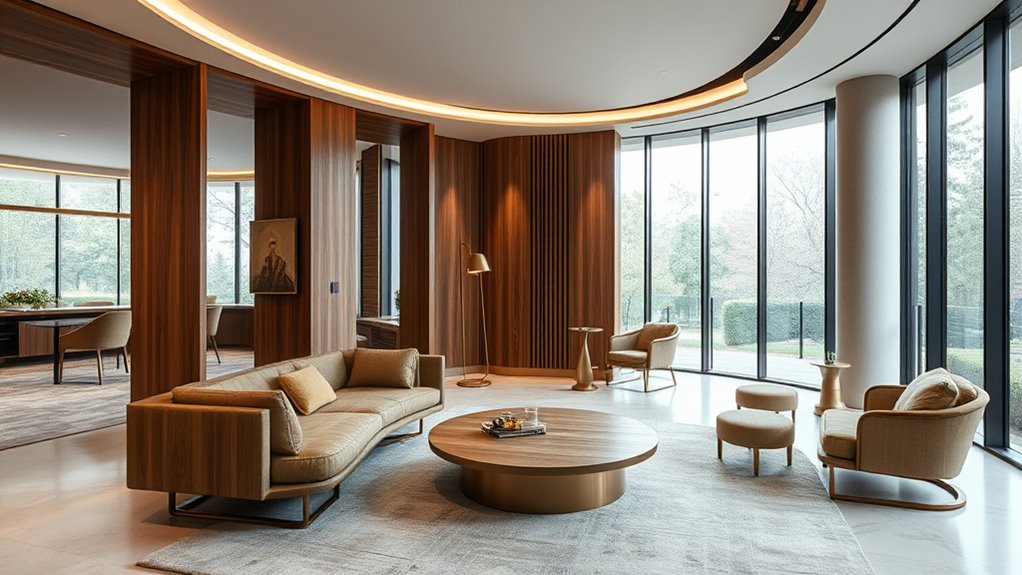
As interior design evolves, embracing circular principles becomes essential for creating sustainable and resource-efficient spaces. You’re encouraged to think beyond traditional aesthetics and consider how materials and furniture can be reused, repurposed, or disassembled for future use. Upcycling materials plays a key role in this approach. Instead of discarding old or excess items, you transform them into new, stylish elements that add character and reduce waste. For example, salvaged wood can become custom shelving, while vintage textiles can be incorporated as upholstery or decorative accents. This strategy not only minimizes environmental impact but also infuses your space with unique, handcrafted details that tell a story.
Incorporating modular furniture into your design further enhances the ability to create flexible, sustainable interiors. Modular pieces are designed to be easily disassembled and reconfigured, making it straightforward to adapt your space over time. When selecting furniture, prioritize pieces that can be broken down into their core components without damage, allowing for future reuse or recycling. This approach not only simplifies maintenance but also promotes longevity, as modular furniture can be updated or expanded as your needs change. It also encourages a mindset of reuse, where furniture isn’t a one-time purchase but an adaptable investment in your environment’s future.
To truly embrace circular design principles, you need to plan for disassembly from the outset. Choose materials and construction methods that facilitate easy separation of components, avoiding glued joints or permanently fixed parts. This foresight enables you to disassemble furniture and fixtures cleanly, making it easier to reuse or recycle the individual parts. When you think about your space in terms of disassembly, you’re less likely to be locked into designs that become obsolete or difficult to update, fostering a more sustainable lifecycle for your interiors.
Furthermore, upcycling and modular furniture aren’t just eco-conscious choices—they’re aesthetic opportunities. You get to showcase creativity by blending repurposed materials with modern design, creating interiors that are both luxurious and environmentally responsible. The use of upcycled materials adds texture, color, and history to your space, while modular furniture provides a sleek, adaptable foundation. Together, these principles help you craft interiors that are forward-thinking, resilient, and beautifully sustainable, reflecting a commitment to resourcefulness without compromising on style. Additionally, understanding contrast ratio is vital to ensure your space appears vibrant and well-defined, especially when incorporating varied materials and lighting.
modular disassemblable furniture
As an affiliate, we earn on qualifying purchases.
As an affiliate, we earn on qualifying purchases.
Frequently Asked Questions
How Can Luxury Interior Designs Incorporate Circular Economy Principles Effectively?
You can incorporate circular economy principles into luxury interior designs by prioritizing material innovation, selecting sustainable, easily recyclable materials. Emphasize design flexibility, allowing pieces to be disassembled and reused or repurposed effortlessly. This approach minimizes waste and maximizes resource longevity. By focusing on adaptable, eco-conscious solutions, you create luxurious spaces that are not only beautiful but also environmentally responsible and aligned with circular design goals.
What Are the Cost Implications of Implementing Disassembly-Friendly Luxury Interior Features?
Implementing disassembly-friendly features may increase your initial costs due to higher luxury material costs and specialized disassembly labor. You might spend more upfront on premium materials designed for reuse and hiring skilled labor for disassembly. However, these investments can pay off over time through easier refurbishment, reduced waste disposal costs, and a more sustainable approach, ultimately balancing out the higher initial expenses with long-term savings and environmental benefits.
Which Materials Are Most Sustainable for Luxury Interior Disassembly and Reuse?
You should opt for materials like biodegradable finishes and those made from renewable resources. These materials are most sustainable for luxury interior disassembly and reuse because they break down naturally and minimize environmental impact. Using such materials guarantees that components can be easily separated and repurposed, supporting your circular design goals while maintaining high-end aesthetics. Incorporating biodegradable finishes and renewable resources makes your luxury interior both stylish and eco-friendly.
How Do Circular Design Principles Impact the Longevity of Luxury Interior Elements?
Circular design principles boost the longevity of your luxury interior elements by emphasizing material durability and design flexibility. You’ll select high-quality, sustainable materials that withstand wear and tear, ensuring your pieces last longer. Plus, flexible designs allow for easy disassembly and reconfiguration, extending their usefulness over time. This approach not only preserves the aesthetic appeal but also reduces waste, making your interiors more sustainable and adaptable to changing tastes or needs.
What Are Successful Case Studies of Circular Design in High-End Interiors?
Imagine discovering a high-end interior where luxury craftsmanship meets groundbreaking material innovation, transforming space reuse. One standout case is the Hotel Verde in Cape Town, which employs circular design principles to create a sustainable, adaptable environment. These projects showcase how designers integrate modular elements and eco-friendly materials, proving that luxury interiors can be both timeless and adaptable. You see, success lies in blending craftsmanship with innovative materials, ensuring elegance endures through disassembly and reuse.
Conclusion
As you embrace circular design, imagine your space as a blooming garden—each element a seed ready to be replanted and renewed. By designing for disassembly and reuse, you nurture a cycle of growth that sustains beauty and purpose. Your choices become the roots and leaves of a thriving ecosystem, where nothing is wasted and everything has new life. In this way, your interiors become a symbol of harmony, resilience, and endless possibility.
Fall Picks
fall essentials
As an affiliate, we earn on qualifying purchases.