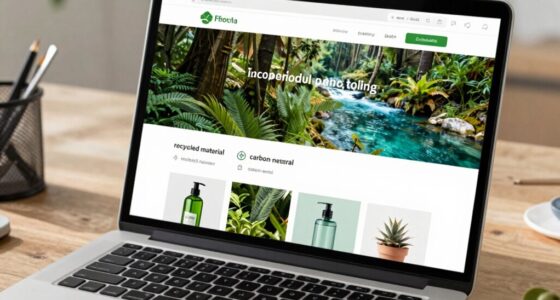

To shop Amazon for sustainable materials without getting fooled, look for clear certifications like GOTS, FSC, or B Corp that verify eco-friendly claims. Read product descriptions carefully for details on sourcing and manufacturing, and check reviews for honest experiences. Be wary of vague labels like “eco-friendly” or “natural” without proof. Verify seller transparency and reputation to guarantee authenticity. If you want to spot true sustainability and avoid greenwashing, keep exploring these essential tips.

Get furniture and decor delivered free — and shop member deals
- Fast, free delivery on millions of items
- Access to Prime Big Deal Days deals on October 6–7
- Prime Video, Amazon Music and more included
Key Takeaways
- Verify eco certifications like GOTS, FSC, or B Corp through trusted sources to ensure genuine sustainability claims.
- Read product descriptions and reviews for specific details on organic, recycled, or biodegradable materials.
- Check seller profiles and policies for transparency about sourcing, manufacturing, and eco-friendly practices.
- Be cautious of vague language like “eco-friendly” without supporting certifications or detailed explanations.
- Prioritize products with third-party verified labels and transparent supply chain information to avoid greenwashing.
GOTS certified organic cotton clothing
As an affiliate, we earn on qualifying purchases.
As an affiliate, we earn on qualifying purchases.
What Makes Materials Truly Sustainable and Eco-Friendly
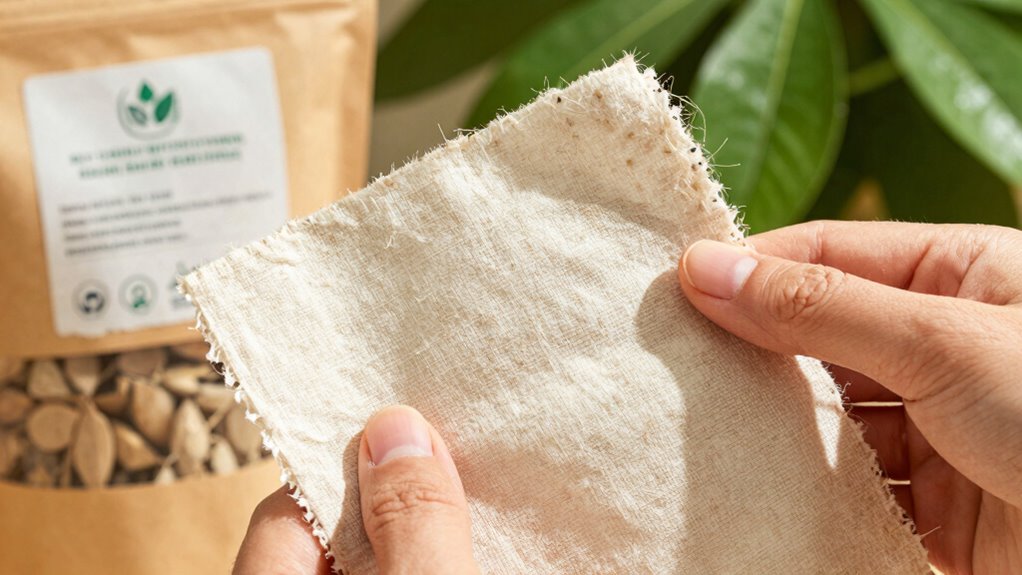
Understanding what makes materials truly sustainable and eco-friendly is essential when shopping on Amazon. Look for products made from biodegradable fibers, which break down naturally without harming the environment. These fibers reduce landfill waste and minimize pollution. Additionally, check for organic certifications like GOTS or USDA Organic, which prove that materials are grown and processed without harmful chemicals or pesticides. Certified organic materials ensure that the production process respects environmental and social standards. Avoid items that claim to be eco-friendly without backing from reputable certifications or clear evidence of biodegradable properties. By prioritizing biodegradable fibers and organic certifications, you can confidently select products that genuinely support sustainability and reduce your ecological footprint. Incorporating essential oils for eco-friendly living, such as lavender or eucalyptus, can further enhance your sustainable lifestyle choices.
How to Spot Greenwashing and False Eco Claims on Amazon
Ever wonder if those eco-friendly claims on Amazon are truly legitimate? Greenwashing is common, so it’s essential to scrutinize product descriptions carefully. Look out for vague terms like “green” or “natural” without specific details. Check if the product emphasizes sustainable sourcing—do they mention responsible harvesting or eco friendly packaging? Be wary of brands that prioritize appealing eco claims but lack transparency. Research the seller’s background and see if they provide clear information about their materials and sourcing practices. Genuine sustainable products often include details about their eco credentials or certifications. Additionally, verifying if the product uses sustainable materials can help ensure authenticity. Remember, if it sounds too good to be true, it probably is. By staying vigilant, you can avoid false eco claims and support truly sustainable materials on Amazon.
Which Certifications Guarantee Genuine Sustainable Materials
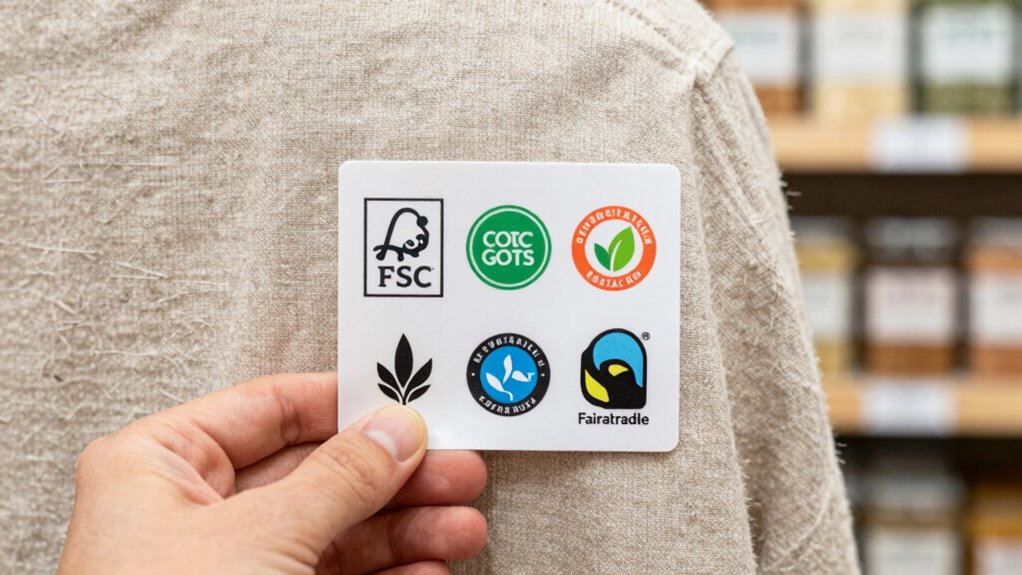
Look for certified sustainable labels on products to guarantee authenticity. These labels are backed by third-party verification standards that confirm eco-friendly practices. Knowing which certifications matter helps you choose genuinely sustainable materials on Amazon. Additionally, understanding the importance of third-party verification ensures you rely on trustworthy sources for eco-certification.
Certified Sustainable Labels
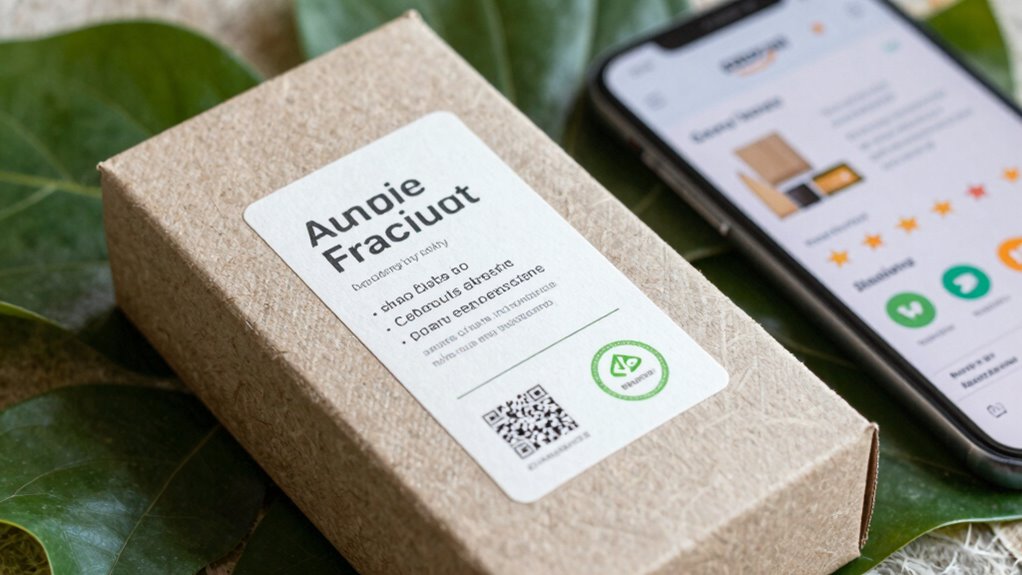
When shopping for sustainable materials on Amazon, it’s essential to recognize trusted certifications that verify a product’s eco-friendly claims. Eco labels serve as visual cues that a product has met specific sustainability standards. These labels are backed by certification processes that evaluate factors like resource sourcing, manufacturing practices, and environmental impact. Look for well-known eco labels such as FSC, GOTS, or B Corp, which indicate genuine commitment to sustainability. These certifications are awarded only after rigorous review, ensuring the product meets strict environmental criteria. By understanding and trusting these certified sustainable labels, you can confidently select products that align with your eco-conscious values. Always verify the certification’s authenticity and stay informed about what each label truly represents. Understanding eco labels can help you better interpret what each certification guarantees.
Third-Party Verification Standards
Third-party verification standards are essential for ensuring that the sustainable claims on Amazon products are genuine. These standards involve independent organizations evaluating a product’s sustainability practices through third-party verification, rather than relying solely on the seller’s word. Look for eco label standards that are recognized globally, such as FSC, Rainforest Alliance, or B Corporation certifications. These labels demonstrate that an independent body has confirmed the product meets strict environmental and social criteria. Additionally, understanding the Free Floating concept helps consumers appreciate how some materials can be sustainably sourced without being tied to traditional land-based practices. By paying attention to third-party verification, you avoid falling for false claims and ensure your purchase genuinely supports sustainable materials. Remember, certifications backed by third-party verification serve as trustworthy indicators that a product adheres to rigorous eco label standards, giving you confidence in your eco-friendly choices.
How to Read Product Descriptions and Reviews for Authentic Sustainability Claims
To determine if a product truly meets sustainability claims, you need to carefully read its descriptions and reviews. Look for details about eco friendly fabrics, such as organic cotton, hemp, or recycled materials, which indicate genuine sustainable sourcing. Check if the product description mentions certifications like GOTS or OEKO-TEX, supporting authenticity. Read reviews thoroughly—buyers often share insights on the actual sustainability and durability of the product. Be wary of vague claims like “eco-friendly” without specifics. Authentic sellers will provide transparent information about their sourcing and production processes. Additionally, reviewing the affiliate disclosure can help you understand potential biases in the information provided. By paying attention to these details, you can better assess whether the item aligns with your sustainability values and avoid falling for greenwashing.
How to Check Seller Transparency and Company Reputation

To guarantee you’re buying from trustworthy sources, start by verifying the seller’s credentials and credentials. Check how transparent the company is about its manufacturing practices and sustainability efforts. A clear, honest company reputation helps you make confident, eco-friendly choices. Additionally, consider whether the seller provides detailed information about their product specifications, which can indicate their commitment to transparency and quality.
Verify Seller Credentials
When shopping on Amazon, verifying a seller’s credentials is essential to guarantee you’re getting sustainable materials from reputable sources. You want to ensure their transparency about recycling processes and fiber sources. To do this, check the seller’s profile for verified badges, reviews, and ratings. Look for detailed product descriptions that specify sustainable sourcing. Investigate their policies on eco-friendly practices and recycling efforts. Confirm the seller’s history with similar eco-conscious products. Additionally, verify if they provide transparent information about their supply chain and fiber sources.
- Read seller reviews for consistency and authenticity
- Check for eco-labels or certifications
- Review product details for sustainability claims
- Look for clear, detailed seller policies
- Research their reputation outside Amazon
- Consider Vetted sellers with verified credentials to ensure reliability and trustworthiness
Assess Company Transparency
Evaluating a seller’s transparency is essential because it reveals how open they are about their practices and commitments to sustainability. Look for detailed product descriptions and clear information about their supply chain. A transparent company often shares sourcing details, certifications, and sustainability goals. Check their website or Amazon storefront for policies and customer reviews that mention honesty and integrity. Consider whether they disclose their supply chain processes, from raw materials to manufacturing. Companies that prioritize transparency tend to build trust and are more likely to stand behind eco-friendly claims. If a seller is vague or avoids specifics, it’s a red flag. Additionally, understanding whether they utilize water conservation practices like responsible sourcing of water-intensive materials can be an indicator of true sustainability. Prioritizing company transparency helps ensure your purchase supports authentic sustainable practices and reduces the risk of being misled.
Comparing Material Choices: Environmental Impact and Durability
Choosing sustainable materials requires weighing both their environmental impact and how long they last. To make smart choices, consider factors like material sourcing and durability testing. Durable materials reduce waste by lasting longer, while eco-friendly sourcing minimizes environmental harm. When comparing options, ask yourself:
Choosing sustainable materials involves balancing environmental impact with durability and responsible sourcing.
- Is the material sourced responsibly?
- Has it undergone durability testing?
- Will it stand up to regular use?
- Does it have a low carbon footprint?
- Can it be recycled or composted at end-of-life?
- Consider eco-tourism practices that promote sustainable sourcing and environmental preservation.
Red Flags That Signal Fake Sustainability Claims or Greenwashing
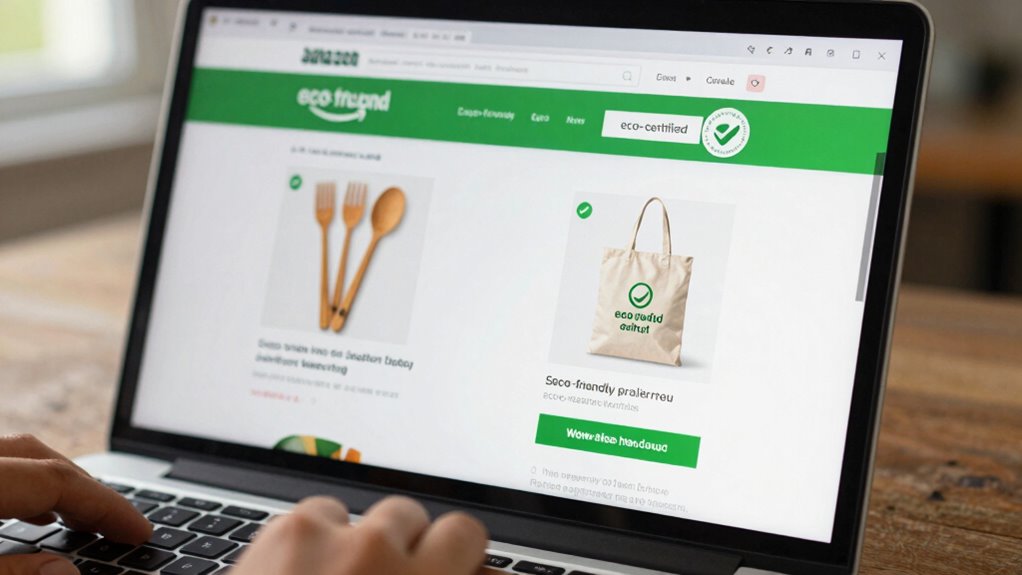
How can you spot fake sustainability claims or greenwashing when shopping on Amazon? One red flag is when a product capitalizes on trendy fashion trends without transparent sourcing details. If a brand emphasizes eco-friendliness but lacks certifications or clear explanations, it’s a warning sign. Beware of celebrity endorsements that seem overly promotional; they don’t always guarantee authenticity. If a product claims to be “sustainable” but offers no proof or uses vague language like “green” or “eco-friendly” without specifics, it’s likely greenwashing. Additionally, check for inconsistent labels or missing information about manufacturing practices. If something seems too good to be true or relies heavily on buzzwords without substantiation, trust your instincts and dig deeper before making a purchase.
Practical Tips for Making Smarter, Eco-Conscious Shopping Decisions
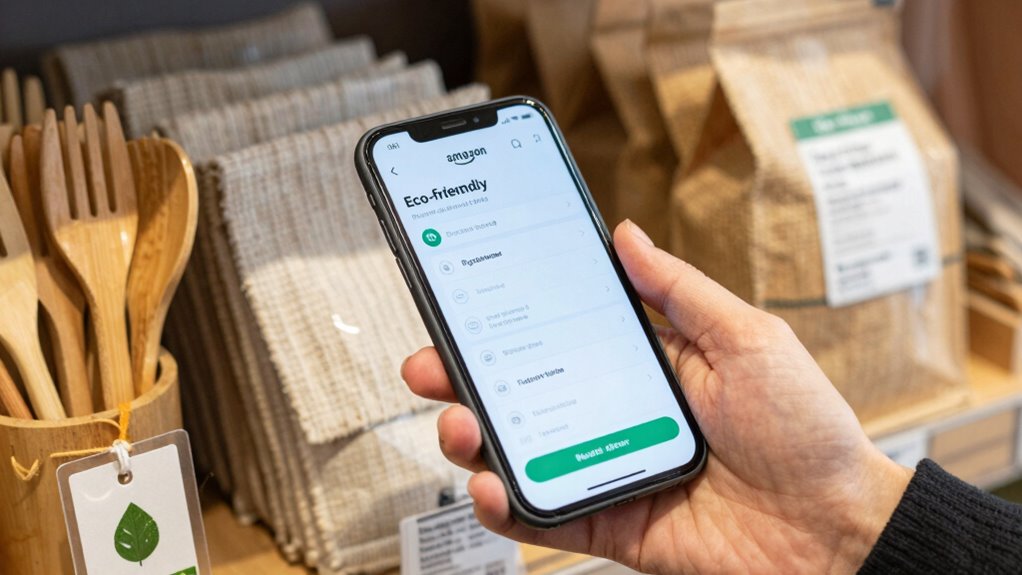
To shop smarter and more eco-consciously on Amazon, start by doing your homework beyond surface-level claims. Look for products that prioritize eco friendly packaging and ethical sourcing to ensure sustainability. Here are practical tips to guide your choices:
- Read product descriptions carefully, noting mentions of eco friendly packaging.
- Check seller ratings and reviews for transparency about sourcing practices.
- Search for certifications like Fair Trade or FSC to verify ethical sourcing.
- Avoid products with excessive or non-recyclable packaging materials.
- Support brands that clearly communicate their sustainability efforts.
Being vigilant helps you avoid greenwashing and makes your purchases genuinely eco-conscious. Making informed decisions ensures your shopping aligns with your values and contributes to a more sustainable future.
Frequently Asked Questions
How Can I Verify a Seller’s Sustainability Claims Beyond Certifications?
To verify a seller’s sustainability claims beyond certifications, you should look for supply chain transparency. Ask the seller for details about their sourcing practices and traceability. Additionally, check if they undergo third-party audits, which provide independent validation of their sustainability efforts. These steps help guarantee their claims are genuine, giving you confidence that the materials are truly eco-friendly and ethically sourced.
Are There Specific Product Labels That Indicate Eco-Friendly Packaging?
Did you know that over 60% of consumers prefer products with eco-friendly packaging? When shopping, look for recyclable symbols and biodegradable labels on products. These labels indicate the packaging is designed to break down naturally or be recycled, reducing environmental impact. Always check for clear markings, and don’t hesitate to research unfamiliar symbols—this helps guarantee your purchase aligns with your sustainability goals.
How Often Do Sustainable Material Standards Change or Update?
Sustainable material standards update regularly, often influenced by new research, industry updates, and evolving environmental regulations. You should keep an eye on material certification bodies and industry news to stay informed. These updates can happen annually or more frequently, so it’s vital to verify certifications and stay current with trusted sources. By doing so, you guarantee that your eco-friendly choices remain genuinely sustainable and aligned with the latest standards.
Can Customer Reviews Reliably Confirm Sustainability of Products?
About 90% of consumers trust online reviews, but reviews can be misleading due to review bias. When evaluating product authenticity, don’t rely solely on customer reviews. They might not always confirm sustainability, as some reviews could be fake or biased. Instead, look for verified certifications, detailed descriptions, and credible sources. Combining these with reviews helps you better judge if a product truly meets sustainable standards.
What Are Common Misconceptions About Eco-Friendly Materials on Amazon?
Many people believe that all eco-friendly labels on Amazon are trustworthy, but that’s a misconception. Greenwashing tactics often make products seem more sustainable than they are, and certification myths can mislead you into thinking a product is eco-friendly when it’s not. Always check for credible certifications and do your research, rather than relying solely on product descriptions or superficial labels. This helps guarantee you truly buy sustainable materials.
Conclusion
By spotting subtle signs, scrutinizing certifications, and staying skeptical of slick claims, you can confidently choose truly sustainable materials. Let your curiosity be your compass, your diligence be your guide, and your decisions be driven by discernment. With mindful monitoring and meticulous research, you’ll master the art of making meaningful, eco-friendly choices. Embrace eco-consciousness with clarity, confidence, and a commitment to caring—because your conscious shopping can truly change the world.
Evergreen bestsellers Picks
bestsellers
As an affiliate, we earn on qualifying purchases.