
TL;DR
Listen free for 30 days with Audible
Thousands of audiobooks and originals — cancel anytime.
Start your free trialAs an affiliate, we earn on qualifying purchases.
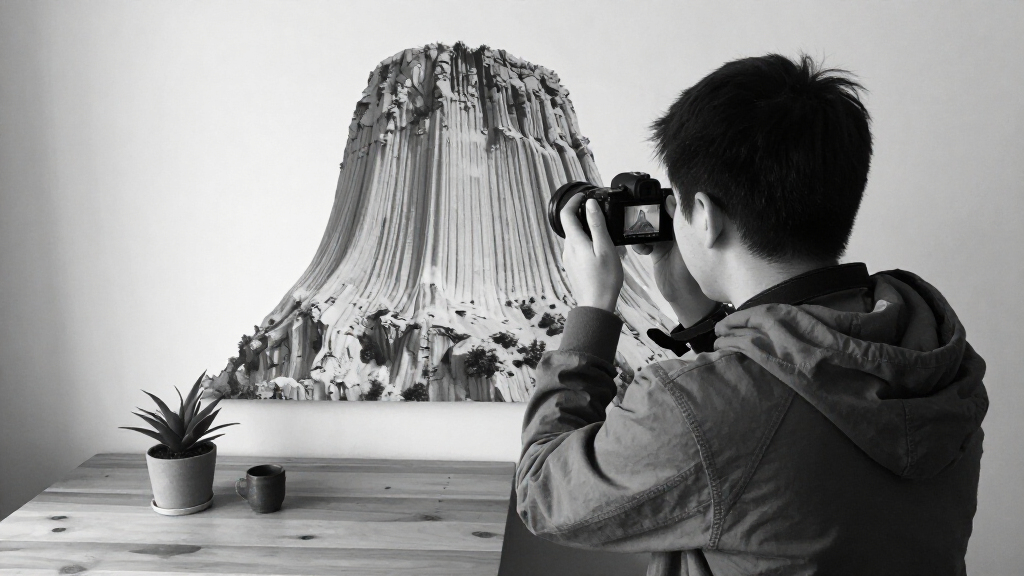
Photographer Zac Henderson has released a series of black-and-white photographs of Devil’s Tower, highlighting its majestic form and cultural importance. The images evoke a sense of isolation and wonder, blending natural beauty with an uncanny mood.
Photographer Zac Henderson has unveiled a series of black-and-white images of Devil’s Tower, capturing its imposing presence and mystical atmosphere. The photos highlight the monument’s stark textures and changing light, drawing attention to its natural beauty and cultural importance. This release offers a new visual perspective on a site that is both a natural wonder and a sacred Indigenous landmark.
Henderson’s photographs focus on the moody contrasts and textures of Devil’s Tower, a geological formation that formed tens of millions of years ago as magma cooled and was later shaped by erosion. The images emphasize the changing light, shadow play, and otherworldly surface details of the monument, which stands 867 feet tall in northeastern Wyoming. Although the site attracts hundreds of thousands of visitors annually, Henderson’s black-and-white style evokes a sense of isolation and awe, as if encountering it anew.
The photographs also subtly reference the Indigenous cultural significance of Devil’s Tower, known as Bear Lodge or Bear’s House, which features in Native American oral stories. These stories recount the formation of the monument through mythic events involving bears and the constellation Pleiades, highlighting its sacred status for tribes such as the Lakota, Cheyenne, and others.
Cultural and Artistic Reimagining of a Sacred Landmark
The release of Henderson’s black-and-white series underscores the cultural importance of Devil’s Tower as a sacred site, while also elevating its status as a subject of fine art photography. The stark imagery invites viewers to reconsider the monument’s geological grandeur and spiritual resonance, fostering a deeper appreciation for its place in both natural history and Indigenous tradition. This artistic approach may influence future visual representations of the site, emphasizing its timeless and mystical qualities.
Devil's Tower black and white photography book
As an affiliate, we earn on qualifying purchases.
As an affiliate, we earn on qualifying purchases.
Historical and Cultural Background of Devil’s Tower
Designated as the first national monument in the U.S. in 1906, Devil’s Tower is a prominent geological feature formed by ancient volcanic activity and erosion. Its distinctive columns and striations have inspired Native American stories that describe its sacred origins, involving bears and celestial events. Despite its popularity among tourists, the site remains a profound spiritual location for many Indigenous tribes, who have long regarded it as a sacred place and a gathering site.
Photographer Zac Henderson is known for capturing landscapes with a surreal, often moody aesthetic. His focus on natural phenomena often merges reality with an uncanny atmosphere, making his recent series of Devil’s Tower images a continuation of his artistic exploration of nature’s majesty and mystery.
“Henderson’s black-and-white images evoke a timeless quality that emphasizes the monument’s natural textures and spiritual significance.”
— an anonymous researcher
Unclear Impact and Future Interpretations of the Photos
It is not yet confirmed how Henderson’s photographs will influence public perception or Indigenous narratives surrounding Devil’s Tower. While the images have been released publicly, their reception and potential cultural impact remain to be seen. Additionally, there is no indication that the photos have been officially endorsed by Indigenous groups or conservation authorities, leaving their interpretive significance somewhat open.
Next Steps for Public Engagement and Artistic Recognition
Henderson’s images are available on his Vimeo and Behance pages, where viewers can explore the full series. Future exhibitions or publications featuring these photographs may further elevate their visibility. Meanwhile, discussions around the cultural and spiritual significance of Devil’s Tower are likely to continue, potentially influencing how the site is represented in art and media.
Key Questions
What makes Henderson’s photos of Devil’s Tower unique?
The photos are captured in black-and-white, emphasizing textures, shadows, and mood, which evoke a timeless and mystical atmosphere that differs from typical color images of the site.
Are these photographs officially endorsed by Indigenous groups?
There is no information indicating official endorsement. The images are artistic interpretations by Henderson and do not necessarily reflect Indigenous perspectives.
Will Henderson’s photos influence how people see Devil’s Tower?
The impact remains uncertain. The images may inspire new appreciation or provoke discussions about the monument’s cultural significance and natural beauty.
Where can I view Henderson’s photographs?
His work is available on Vimeo and Behance, where the full series can be explored.
What is the significance of black-and-white photography for this series?
Black-and-white imagery emphasizes textures and contrasts, creating a mood that highlights the monument’s majestic and sacred qualities.
Source: rss
Fall yard work Picks
leaf blowers
As an affiliate, we earn on qualifying purchases.