
TL;DR

Get furniture and decor delivered free with Prime
- Fast, free delivery on millions of items
- Prime Video, Amazon Music and more included
- Member-only deals all year
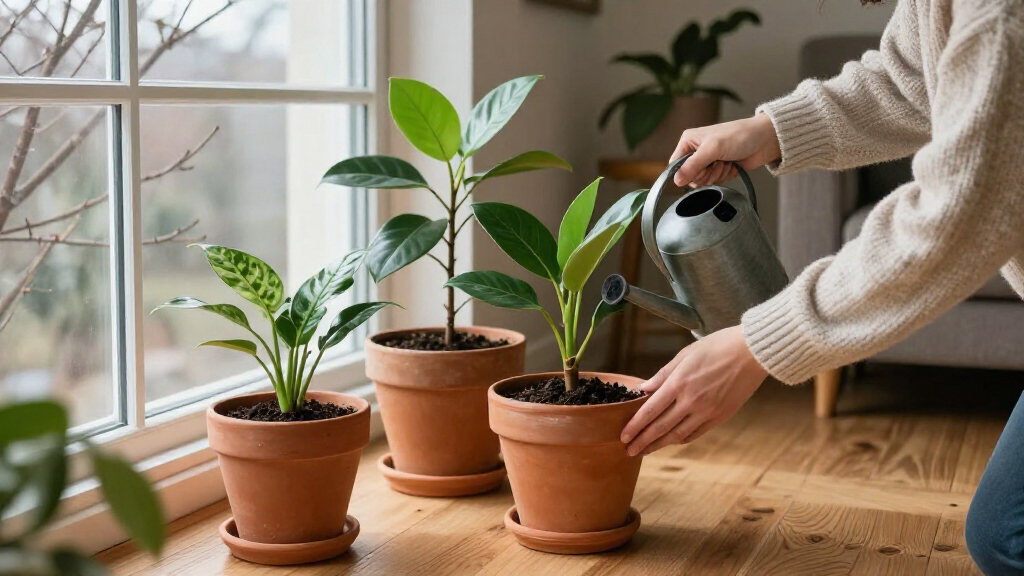
Houseplants may need a different routine in autumn and winter as daylight falls, growth slows and indoor heating dries the air. B&Q horticulture expert Mark Sage recommends adjusting plant placement, reducing watering and feeding, grouping plants to support humidity, and wiping dust from leaves.
As autumn and winter bring less daylight, cooler conditions and drier indoor air, houseplants may need care changes, according to B&Q horticulture expert Mark Sage, quoted in House Beautiful. His recommendations are to place plants where they can get more light without exposing them to drafts or radiators, water and feed less as growth slows, group plants to support humidity, and wipe dust from leaves.
Sage advises moving plants closer to bright windows as days get darker, while checking for cold drafts and radiator heat. Where natural light is limited, he suggests considering a plant light. He also recommends rotating larger plants so they do not grow unevenly as they reach toward the light.
Winter is generally a slower growth period, so Sage says plants tend to need less water and feeding. Let soil dry between waterings to help prevent root rot, and avoid regular repotting during the season. He says a final dose of plant feed can be given at the end of autumn, but that a little goes a long way.
For humidity, Sage suggests clustering plants together, which can create a more humid area around them, particularly when central heating dries indoor air. He also recommends wiping leaves with a microfibre cloth every one to two weeks to remove dust that can interfere with plants making use of limited winter light. A gentle shower with lukewarm water can clean leaves and help remove pests, but the water temperature should not be extreme.
Why Winter Care Needs Adjusting
Keeping the summer routine unchanged can work against plants when their conditions shift. With less light and slower growth, plants may use water more slowly, so frequent watering can leave soil wet for too long and raise the risk of root rot. Meanwhile, radiators can make indoor air drier, and placing a plant near a window may expose it to cold drafts.
The advice focuses on small changes rather than a full overhaul: check light and temperature around each plant, adjust watering to the soil and the plant’s condition, and clean leaves regularly. These steps may help indoor plants cope with seasonal conditions, though the needs of individual species and homes can differ.
Products Worth Considering

Philips Hue Festavia 65-Foot Smart LED String Lights, 250 Color-Changing Mini LEDs

Levoit Core 400S-P Smart Air Purifier for Large Rooms

Philips Hue White and Color Ambiance Smart Retrofit Recessed LED Downlights, 5/6-Inch, 4-Pack
As an affiliate, we earn on qualifying purchases.
How Indoor Conditions Shift
House Beautiful’s report describes autumn and winter as a period when outdoor gardening gives way to more attention to indoor plants. The key change is that conditions inside the home are not necessarily steady: daylight declines, temperatures near windows can differ from those in the rest of a room, and heating can dry the air.
Sage’s recommendations are presented as seasonal guidance for common houseplants, including tropical varieties. They do not replace checking the needs of a particular species. The report gives no plant-by-plant watering schedule or measurements for light and humidity, so its advice is best understood as a set of habits to adapt to the plants and conditions at home.
“It’s always a good idea to move them closer to a bright window as darker days hit, but make sure to avoid cold drafts and radiators.”
— Mark Sage, B&Q horticulture expert, quoted by House Beautiful
What Varies From Plant to Plant
The report does not provide specific care schedules for different species, nor does it give measured light, temperature or humidity thresholds. How often a plant needs water will depend on its species, pot, soil and home conditions; the guidance is to let soil dry between waterings, not to follow a universal calendar.
It is also unclear how much benefit grouping plants provides in any particular room, since the report offers no humidity measurements or test results. Sage’s suggestions are expert advice reported by House Beautiful, not a guarantee that every plant will respond in the same way.
Practical Checks Through Winter
As daylight and indoor temperatures change, plant owners can check whether plants are getting adequate light without sitting in drafts or directly beside radiators. They can monitor soil before watering, pause routine feeding and repotting during slower growth, group plants where appropriate, and wipe leaves every one to two weeks.
If using a shower to clean plants, Sage advises using lukewarm water: water that is too cold can shock roots, while water that is too warm can scald leaves. The report offers no further scheduled update; the next step for readers is to tailor the routine to their own plants and observe how they respond over the season.
Key Questions
Should I move houseplants closer to a window in winter?
Often, but avoid cold drafts and radiators. Sage recommends moving plants toward brighter windows as days get darker. A plant light may be an option where natural light is limited.
How often should I water houseplants in winter?
The report gives no fixed schedule. Sage says plants generally need less water as growth slows and recommends letting the soil dry between waterings to help prevent root rot.
Should I feed or repot plants during winter?
Sage advises against regular feeding and repotting during the slower growth period. He recommends giving plants a final dose of feed at the end of autumn, with restraint.
Why group houseplants together?
Grouping plants can create a more humid area around them, according to Sage. This may help when central heating makes indoor air drier, though the report does not quantify the effect.
How should I clean houseplant leaves?
Sage recommends wiping leaves with a microfibre cloth every one to two weeks. For an occasional shower, use lukewarm water to avoid exposing roots and leaves to extreme temperatures.
Source: housebeautiful.com