
TL;DR
In a Magnolia blog post and a Fixer Upper episode, Chip and Joanna Gaines showed a Colorado mountain home with a chocolate-colored clay tile backsplash in its game room kitchen. Their choice offers an example of a warmer, handmade look, but the claim that subway tile has fallen out of favor is a design opinion, not a documented industry-wide shift.
Chip and Joanna Gaines used chocolate-colored clay tiles in the game room kitchen of their Colorado mountain home, offering a more decorative alternative to the familiar subway tile backsplash. The design, shown in Fixer Upper: Colorado Mountain House—Part 2 and described on the Magnolia blog, reflects the couple’s aim to make the room feel connected to its Rocky Mountain setting.

Get furniture and decor delivered free with Prime
- Fast, free delivery on millions of items
- Prime Video, Amazon Music and more included
- Member-only deals all year
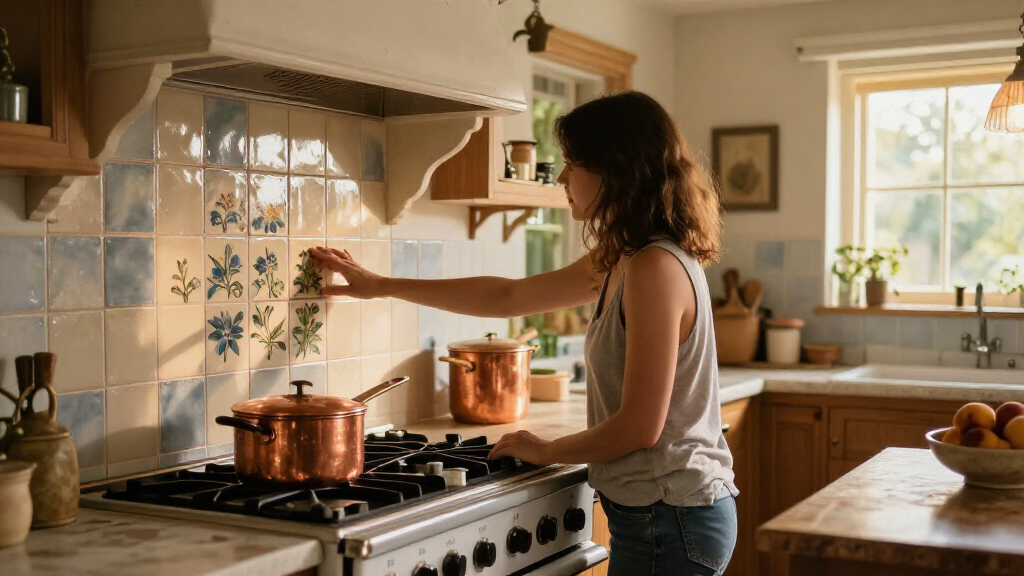
The backsplash uses Tiles of Ezra Amano Caja in chocolate, a tile with an ivory base and light-brown geometric details. The Gaineses placed it near a hot cocoa and coffee bar in the game room kitchen. The pattern draws on the Delft tile look, while the earthy palette was selected to complement the home’s surroundings rather than repeat the couple’s familiar modern farmhouse style.
The Magnolia blog describes the project’s design direction as “European cottage-inspired colors, textures, and patterns” intended to create a cozy atmosphere. In the episode, the chocolate theme is tied to the hot cocoa and coffee area. Those details document the choices made for this particular renovation; they do not establish that subway tile has broadly lost popularity among homeowners.
Handcrafted tiles can have variations and irregularities that give a wall a less uniform appearance. The article presenting the design says artisan tile has drawn interest for its craftsmanship and warmth, but it gives no survey, sales figures, or other evidence measuring that trend. It also notes that backsplash installation can average up to $1,500; that figure is not a quote for the Gaineses’ project and does not specify a location, tile type, or installation scope.
Subway Tile Is Out? A Warmer Backsplash Idea
Chip and Joanna Gaines chose chocolate-colored artisan tile for their Colorado mountain home. It’s one design example, not evidence that subway tile has fallen out of favor.
The featured tile
The backsplash adds pattern and warmth near the game room’s cocoa and coffee bar.
Amano Caja in chocolate
Tiles of Ezra tile has an ivory base with light-brown geometric details.
Rocky Mountain setting
The earthy palette supports a cozy, cottage-influenced look.
A design choice, not a trend verdict
The project documents one renovation; the article provides no market data on tile popularity.
- Patterned artisan tile can add visual detail.
- Warm colors can connect a room to its surroundings.
- Whether homeowners are moving away from subway tile.
- The featured backsplash’s price and installation cost.
Plan for your own kitchen
Use the example as inspiration, then match materials to your space and budget.
Check artisan tile against counters, cabinets, and lighting.
Handmade tiles may differ in color and surface.
Ask an installer for a project-specific price.
A Warmer Look for Kitchen Backsplashes
The Gaineses’ installation gives homeowners a concrete example of how a backsplash can help shape a room’s mood. Instead of a plain, repeating field of tile, the ivory-and-brown pattern introduces color and visual detail around a coffee and cocoa station. Its design also shows how a kitchen or kitchenette used for gathering can be styled to feel more like part of a home’s living space.
That is a design option, not a verdict that subway tile is obsolete. Subway tile remains one possible choice, while patterned or handmade-looking tile can suit people seeking a more individualized finish. The practical trade-off is that decorative tile may cost more, and installing it can require more planning than choosing a simple, standardized backsplash. The reported project does not disclose its tile or labor costs.
For readers planning a remodel, the example is useful as inspiration rather than a rule: a backsplash can coordinate with wood, stone, hardware, and accessories, but the final choice depends on budget, maintenance, and the style of the room.
Products Worth Considering

Samsung 65-Inch Q8F QLED 4K UHD Smart TV (2025)

Levoit Vital 100S-P Air Purifier with Washable Pre-Filter

Dyson V9 Motorbar Cordless Vacuum
As an affiliate, we earn on qualifying purchases.
From Texas Farmhouse to Colorado Cottage
Fixer Upper: Colorado Mountain House—Part 2 follows the Gaineses on what the Magnolia description calls their first makeover away from Texas. The change in location also gave them a reason to move away from the modern farmhouse look associated with many of their earlier projects. For this home, the stated goal was to draw on the Rocky Mountain setting and create a cozy, cottage-influenced interior.
The chocolate tile is one part of that broader palette. The article describes pairing artisan tile with wood, complementary stone countertops, rustic-finish hardware, and warm creamy colors. It also suggests that a small piece of artwork or retro-style appliances can add a personal note. These are styling suggestions, not confirmed details of every surface or appliance in the featured kitchen.
““specifically blend with the surroundings””
— Magnolia blog
Popularity and Project Costs Remain Unclear
The headline idea that subway tile is “out” is not backed here by consumer surveys, retailer data, or comments from independent designers. The confirmed development is narrower: the Gaineses selected a particular artisan tile for one Colorado home. Whether that signals a wider shift in backsplash preferences is not established.
The available details also do not state the backsplash’s dimensions, purchase price, installation cost, or the full specifications of the surrounding kitchen. The cited average of up to $1,500 lacks a stated geographic area and project definition, so it should not be treated as a firm estimate for an individual renovation. No schedule or further project announcement is provided.
How to Adapt the Tile Look
Homeowners interested in a similar finish can first compare artisan tile samples with their counters, cabinetry, and lighting, then request a project-specific estimate from an installer. Handmade tiles may vary in color and surface, so checking multiple pieces before purchase can help clarify the look. A warm palette and natural materials can echo the Gaineses’ approach without copying the exact tile.
The article also points to lower-cost alternatives, including peel-and-stick products such as Red Barrel Studio’s Brooklyn Delft Ivy peel-and-stick wallpaper. It mentions making decorative designs on white tiles with porcelain paint, an approach associated on social media with creator Macey Merlak. These options are not equivalent to professionally installed ceramic tile: the article cautions that painting and baking tiles takes skill and involves installing them on a wall. The featured renovation itself remains an example, not an announcement of a new Gaines product or a confirmed change across the wider market.
Key Questions
What backsplash tile did Joanna Gaines use?
The Colorado home’s game room kitchen features Tiles of Ezra Amano Caja in chocolate, with an ivory foundation and light-brown geometric accents.
Where was the tile installed?
It was installed in the game room kitchen of the Gaineses’ Colorado mountain home, near a hot cocoa and coffee bar.
Does this prove subway tile is out of style?
No. It shows the Gaineses chose an alternative for one renovation. The available information provides no market data confirming that subway tile has lost popularity overall.
Can homeowners get a similar look for less?
The article suggests considering peel-and-stick products or decorated white tiles as alternatives. They may not match the appearance or durability of installed artisan tile, and the DIY approach requires skill.
How much does a backsplash installation cost?
The article cites an average of up to $1,500, but gives no location, project scope, or tile specification. A homeowner would need a local, project-specific estimate.
Source: hunker.com