TL;DR
Interior design experts say silver and gold can be combined in a home when the pairing is treated as a deliberate material choice, not an accidental mix of accessories. They recommend letting one metal lead, considering how each reflects light and using other finishes and materials to shape the room’s overall effect.
Interior designers are making the case for pairing silver and gold in the same room, arguing that the contrasting metals can create depth and respond differently to daylight and evening lighting. In a Livingetc report, color expert Amy Moorea Wong and Casa Josephine designer Pablo López describe the combination as a deliberate design choice rather than a mismatch, while advising that the balance and scale should be planned.

Get furniture and decor delivered free with Prime
- Fast, free delivery on millions of items
- Prime Video, Amazon Music and more included
- Member-only deals all year
Wong describes silver as cool and pale and gold as warm and rich, saying that placing them together can sharpen silver’s crispness and make gold appear more burnished. López says the metals add texture and associations with jewelry and other luxury objects, as well as changing the perceived color of the light around them. Their reflective surfaces can also affect how nearby colors appear.
The report’s practical advice is to make the pairing look intentional, as in these silver and gold home decor ideas. Wong recommends allowing one metal to dominate while the other supports it, rather than dividing the room evenly by default. She also suggests introducing a third metal, such as bronze, to ease the visual shift between silver and gold. López takes a bolder approach, saying he uses the metals in large surfaces and substantial pieces, not only as small decorative accents.
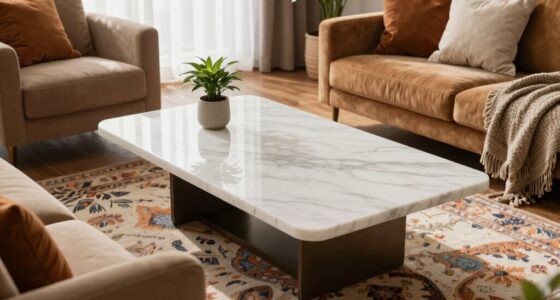
Design examples in the report include gold-colored surfaces alongside silver furniture, a silver artwork against a gold wall and console, and a kitchen combining silver cabinets with brass hardware. The report also recommends varying finishes: López cites combinations of chrome, stainless steel, silver, mirror and pewter. Wood can temper the shine, while marble can intensify the sense of polish and luxury.
Mixing Silver and Gold A Timeless Look for Today’s Home
Design experts say the metals can work together when their contrast is planned. Balance, lighting and surrounding materials shape the effect.
Start with a clear balance
Let one metal lead and use the other to support it; there is no prescribed ratio.
Decide which metal will dominate the room.
Use small accents for restraint or larger surfaces for a bolder statement.
Compare the finishes in the room’s daylight and evening light.
Light shifts the mood
The same finishes can feel different as the light changes through the day.
- Silver tends to stand out.
- Its cool, pale quality can feel crisp.
- Gold can add warmth.
- Its rich tone can appear more burnished.
Shape the mix with materials
Other finishes help determine how reflective and polished the room feels.
Wood
Can temper the shine of the metals.
Marble
Can intensify the sense of polish and luxury.
Other metal finishes
Chrome, stainless steel, mirror, pewter or bronze can add contrast.
Make the pairing intentional
The experts describe mixed metals as a considered material choice, not a decorating formula.
- View samples together in the room’s actual light.
- Consider surrounding colors and reflective surfaces.
- Remember that the report provides expert guidance, not adoption data or a universal ratio.
How Mixed Metals Change a Room
The pairing matters to homeowners because it challenges the long-held decorating instinct to choose one dominant metal and repeat it throughout a space. The designers’ advice suggests that silver and gold do not have to compete: their different temperatures and reflective qualities can give a room more visual depth, provided the combination reads as intentional.
Lighting is part of that effect. Wong says silver tends to be more prominent in daylight, while gold can add warmth under artificial evening light. That means the same room may feel different at different times of day. The guidance is not a guarantee that every combination will work; proportions, finishes, surrounding colors and the amount of reflective surface all shape the result.
There is also a practical distinction between using the metals as discreet accents and making them central to the room. Small touches may read as restrained, while extensive metallic surfaces can create a more theatrical effect. Mixing in wood, stone or other finishes offers a way to keep the metals from defining every part of the interior.
Products Worth Considering

Levoit Core 400S-P Smart Air Purifier for Large Rooms

Sonos Beam Gen 2 Dolby Atmos Soundbar, Black

Shark PowerPro Reveal Plus Cordless Stick Vacuum, Charcoal, IZ376H
As an affiliate, we earn on qualifying purchases.
From Single-Metal Rules to Mixes
The source presents the silver-and-gold pairing as part of a broader willingness in contemporary interiors to use bolder combinations. It does not identify a specific market survey, sales trend or industry-wide shift; the development is a design report offering expert guidance, rather than a formal measure of how widely households are adopting mixed metals.
The experts also distinguish metallic finishes from ordinary colors. Wong says silver and gold need a metallic quality, such as foil or leaf, to produce the depth and reflected light associated with them; pale gray and ochre are only approximate color counterparts. That distinction helps explain why a painted gray wall and an ochre accent may not create the same effect as silver and gold finishes.
López’s examples show that the pairing need not be limited to decorative objects. His approach treats the metals as materials that can occupy large areas, while the report’s other examples use them in furniture, art, wall treatments and hardware. The choice depends on whether a homeowner wants subtle contrast or a more pronounced, reflective statement.
“Silver and gold are the “yin and yang of metallic shades, one cool and pale, the other warm and rich.””
— Amy Moorea Wong, Livingetc color expert
What the Design Advice Cannot Settle
The source does not provide survey data, product sales or a dated trend forecast to show how common mixed-metal interiors are or whether the approach is gaining adoption among homeowners. Its claims about visual effects are expert design assessments, not results from a controlled study.
There is no universal ratio for silver and gold, and the report does not specify one. How the finishes look will depend on their tone, texture, scale, surrounding materials and lighting. The source also does not name particular products, budgets or maintenance requirements, so readers cannot infer that every finish described will have the same cost or upkeep.
Applying the Mix at Home
The report offers design principles rather than a scheduled next development. For homeowners considering the pairing, the practical next step is to decide which metal should lead, then assess the finishes in the room’s actual light. A smaller test—such as comparing hardware samples or placing objects together—can help show whether the contrast feels balanced before committing to a large surface.
Other materials can shape the result: wood may soften the metallic effect, while marble and additional metal finishes can add contrast and texture. The source does not provide a prescribed palette or a final design formula. The outcome remains a matter of the room, its lighting and the scale at which the metals are used.
Key Questions
Can silver and gold be used in the same room?
Yes. The designers quoted in the report say the metals can work together when their contrast is treated as intentional and their proportions are considered.
How should I balance silver and gold?
Amy Moorea Wong advises letting one finish dominate and using the other as support. The report does not prescribe a fixed ratio; the right balance depends on the room and the finishes.
What materials can soften a silver-and-gold scheme?
The report says wood can ground the shine. It also suggests combining different metal finishes, such as chrome, stainless steel, mirror, pewter or bronze, to add texture and contrast.
Does the report show that mixed metals are becoming more popular?
It presents mixed metals as a current design idea, but supplies no adoption statistics or market data. The material is expert guidance, not evidence of how many households are using the look.
Source: livingetc.com