
To prepare your home for winter, start by inspecting and upgrading insulation to keep warmth in and drafts out. Clear gutters, seal gaps around windows and doors, and check your roof and foundation for damage. Schedule heating system maintenance and replace filters for efficiency. Protect outdoor furniture and plants, and make certain walkways are safe from ice and cracks. Taking these steps now helps you stay cozy and safe all season—keep going for more expert tips.

Get furniture and decor delivered free with Prime
- Fast, free delivery on millions of items
- Prime Video, Amazon Music and more included
- Member-only deals all year
Key Takeaways
- Upgrade insulation and seal leaks to maintain warmth and improve indoor air quality during winter.
- Inspect and maintain heating systems for efficiency and reliable performance throughout the cold season.
- Clear gutters, repair roofing, and ensure proper drainage to prevent water damage from snowmelt and ice.
- Trim trees and shrubs near the home to reduce storm damage risks and enhance safety in winter storms.
- Prepare emergency supplies and outdoor protections to ensure safety and comfort during winter weather events.
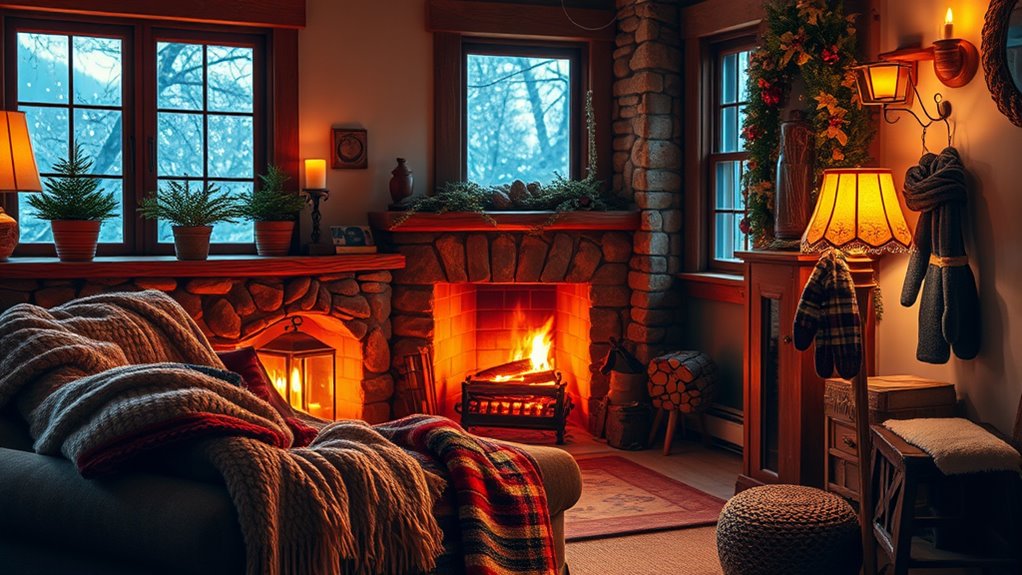
Are you ready to face the cold months ahead? Preparing your home for winter isn’t just about grabbing a warm coat; it’s about making sure your living space is ready to handle the chill, keep your energy bills in check, and create a cozy environment. One of the most effective ways to do this is through insulation upgrades. Proper insulation helps retain heat inside your home, preventing warmth from escaping through walls, attics, or floors. If your home feels drafty or your heating system is working overtime, it’s time to assess your current insulation. Upgrading it can make a significant difference, not only in comfort but also in energy efficiency. Sealing gaps and adding insulation where needed guarantees that your home stays warm longer without constantly running your furnace. This investment pays off by reducing energy costs and preventing cold spots in your living spaces.
Alongside insulation upgrades, outdoor maintenance becomes increasingly important as winter approaches. You want to ensure that your home’s exterior is prepared to withstand snow, ice, and freezing temperatures. Start by inspecting your roof for loose or damaged shingles, which can lead to leaks once snow starts melting. Clear out gutters and downspouts so melting snow can flow away from your foundation, preventing water damage and basement flooding. Check your windows and doors for gaps or cracks and seal them with weatherstripping or caulking to stop drafts. This not only keeps your home warmer but also minimizes unnecessary heat loss. Additionally, trimming back trees and shrubs near your house reduces the risk of branches falling and causing damage during storms or heavy snowfall. Don’t forget to inspect your driveway and walkways for cracks or uneven spots that could become hazardous when covered with ice or snow.
Preparing your outdoor space also involves taking care of your heating system. Schedule a professional inspection and maintenance to ensure your furnace or heat pump is running efficiently. Clean or replace filters to improve airflow and prevent breakdowns during the coldest months. Cover or store outdoor furniture and equipment to protect them from harsh weather, extending their lifespan. If you have a garden, consider planting winter-hardy plants or covering sensitive ones to shield them from frost. Additionally, you can consider using special insulating covers or blankets for plants to help them tolerate the cold better. These steps help your home and yard withstand winter’s challenges and reduce the workload when the snow starts falling.
As an affiliate, we earn on qualifying purchases.
Frequently Asked Questions
How Can I Improve Indoor Air Quality During Winter?
You can improve indoor air quality during winter by using air purifiers to remove pollutants and allergens. Additionally, adding indoor plants helps filter toxins naturally and boosts humidity. Keep your home well-ventilated when possible, and avoid smoking indoors. Regularly clean and dust surfaces to reduce dust and pet dander. These steps create a healthier environment, making your indoor air fresher and safer during the colder months.
What Are Eco-Friendly Ways to Heat My Home?
Imagine cozy warmth filling your home without harming the planet. You can achieve this with eco-friendly heating options like solar insulation, harnessing the sun’s energy to keep your space warm naturally. Consider installing an eco heating system that reduces reliance on fossil fuels, or use smart thermostats to optimize energy use. These choices not only cut emissions but also save you money, making your winter warmth sustainable and guilt-free.
How Do I Prevent Mold Growth in Winter?
To prevent mold growth in winter, you should focus on proper ventilation strategies and humidity control. Keep your home well-ventilated by opening windows briefly daily to reduce moisture buildup. Use a dehumidifier or exhaust fans in bathrooms and kitchens to maintain ideal humidity levels between 30-50%. Additionally, fix leaks promptly and ensure your home stays dry, as these steps help prevent mold from thriving during colder months.
What Winter-Proofing Tips Protect My Home’s Foundation?
Think of protecting your foundation like wrapping a gift; you want it snug and secure. You should improve landscaping drainage to divert water away from your home’s base and add exterior insulation to prevent frost heaves. These steps keep moisture out and temperature fluctuations in check, safeguarding your foundation through winter’s worst. Regularly check gutters and slopes to ensure water flows away, giving your home the sturdy protection it needs.
How Can I Boost My Home’s Energy Efficiency?
You can boost your home’s energy efficiency by scheduling an energy audit to identify areas of heat loss. Consider insulation upgrades in your attic, walls, and floors to keep warmth in and cold out. Seal drafts around windows and doors with weatherstripping or caulk, and upgrade your heating system if needed. These steps help reduce energy bills, improve comfort, and make your home more eco-friendly during winter.
Conclusion
As you cozy up inside, remember that a well-prepared home keeps the cold at bay, turning winter’s chill into comfort. While the outside world grows colder and darker, your warm, secure space becomes a sanctuary. Embrace these seasonal changes and take action now—because the comfort of a snug home is priceless when winter’s winds blow fierce. Prepare today, so tomorrow, you can relax, knowing you’re safe and warm inside.
Halloween Picks
halloween
As an affiliate, we earn on qualifying purchases.