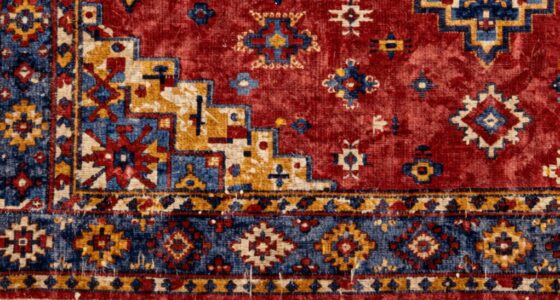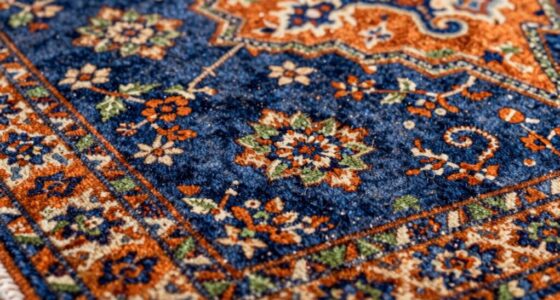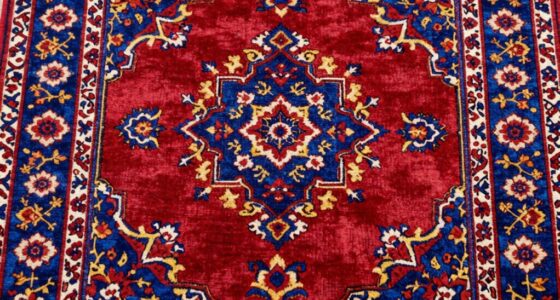

To truly appreciate antique rugs, you need to understand their cultural and regional backgrounds. Beyond age and craftsmanship, these rugs carry deep meanings shaped by history, beliefs, and local traditions. Recognizing their origins and symbolism helps you see the artistry and significance woven into their designs. Without this context, you might overlook their true story and value. Keep exploring to uncover the fascinating stories and craftsmanship behind these beautiful pieces.

Get furniture and decor delivered free with Prime
- Fast, free delivery on millions of items
- Prime Video, Amazon Music and more included
- Member-only deals all year
Key Takeaways
- Cultural significance reveals the deeper meanings behind motifs and patterns, enriching overall appreciation.
- Regional variations in design, technique, and materials help authenticate and understand the rug’s origin.
- Craftsmanship details reflect traditional skills and cultural practices passed through generations.
- Symbolism and design elements connect the rug to its community’s stories, beliefs, and heritage.
- Context enhances the rug’s emotional and historical value beyond mere aesthetics or monetary worth.
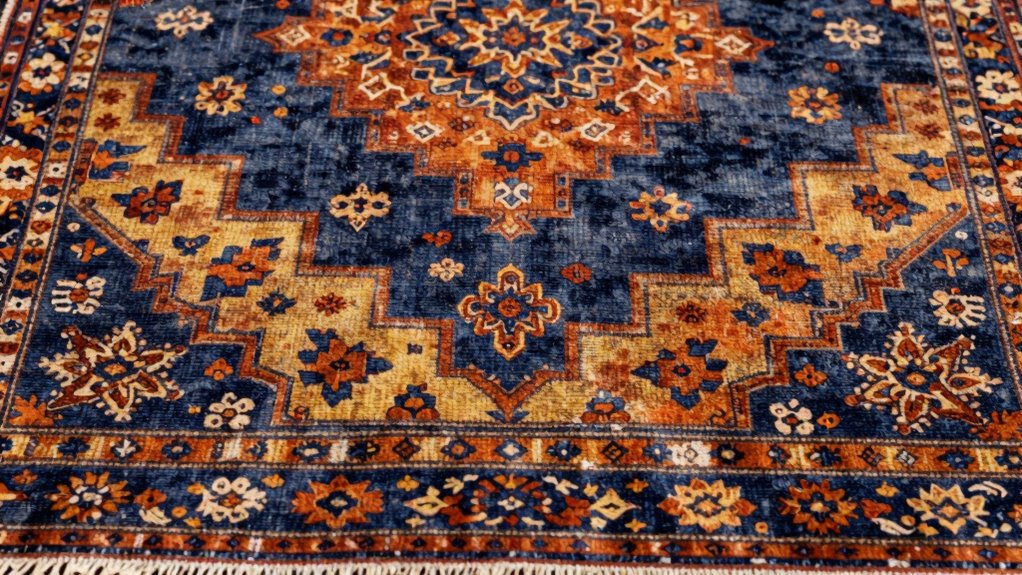
Have you ever wondered what makes an antique rug truly valuable? It’s not just about its age or craftsmanship; understanding the full story behind the piece requires appreciating its context. Many antique rugs carry a deep cultural significance that shapes their design, symbolism, and purpose. Without this background, you might overlook the true meaning woven into their fibers. These rugs often serve as more than decorative items—they reflect the history, beliefs, and identities of the communities that created them. Recognizing this cultural significance helps you see beyond the patterns and colors, revealing a narrative rooted in tradition and social values. When you grasp the cultural context, the rug transforms from a beautiful object into a historical artifact that connects you with a specific time and place.
Regional variations play a crucial role in understanding antique rugs. Different areas have distinct weaving techniques, color palettes, and design motifs that are unique to their local traditions. For example, a Persian rug from Isfahan displays a different style and symbolism than a Turkish Kilim from Anatolia. These regional differences aren’t arbitrary—they’re shaped by geography, climate, available materials, and cultural exchanges. If you’re unfamiliar with these distinctions, you might misjudge a rug’s origin or significance. Knowing where a rug comes from helps you appreciate the craftsmanship involved and the regional influences that shaped its design. It also allows you to recognize authentic pieces and avoid forgeries or misattributions, which can be common in the antique market. Developing an understanding of regional variations can also help you identify the specific cultural influences that inspired each design. Gaining knowledge of cultural symbolism further deepens your appreciation of the intricate meanings behind each motif. Additionally, understanding weaving techniques can reveal the skill level and traditions passed down through generations.
In essence, antique rugs are cultural artifacts embedded with regional stories and traditions. Without understanding their context, you risk missing out on the depth of their beauty and significance. Appreciating these details enhances your ability to evaluate their worth, not just in monetary terms but as pieces of living history. When you take the time to learn about the cultural importance and regional variations behind each rug, you deepen your connection to the piece. This knowledge transforms a beautiful textile into a meaningful treasure—one that embodies the rich heritage of its creators. So, when you encounter an antique rug, remember that its true value is best appreciated through the stories and traditions woven into its design.
Understanding the regional variations and cultural significance of antique rugs can greatly enrich your appreciation and knowledge of these timeless pieces.
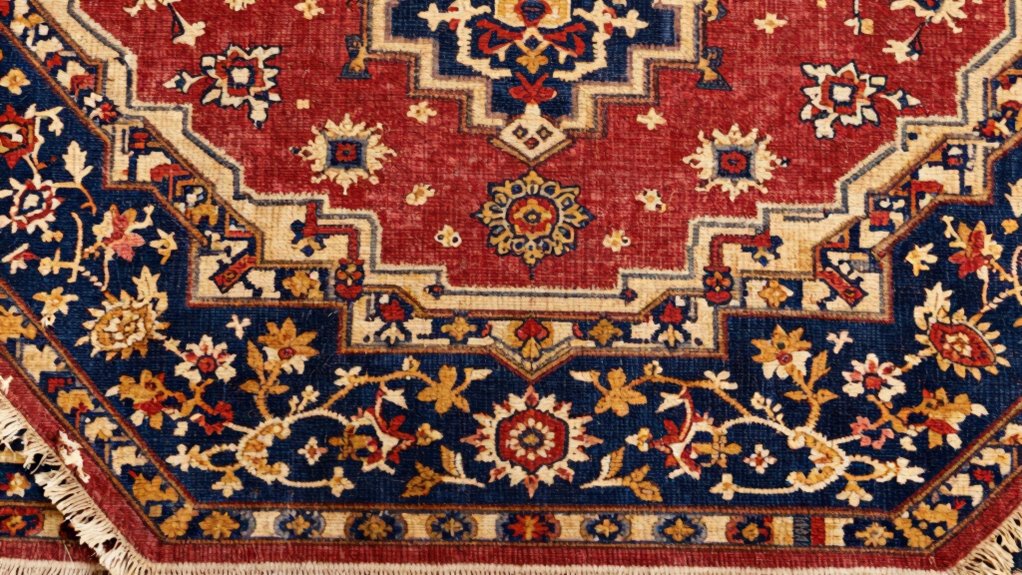
antique Persian rug with cultural symbolism
As an affiliate, we earn on qualifying purchases.
As an affiliate, we earn on qualifying purchases.
Frequently Asked Questions
How Can I Identify the Origin of an Antique Rug?
To identify the origin of an antique rug, examine its color palette and weaving techniques. Different regions use distinct dyes and patterns, so note the vibrant or muted colors and how the fibers are woven. Research regional styles and compare these details with known examples. Consulting a rug expert or appraiser can also help, especially if you observe unique motifs or craftsmanship that point to a specific geographic area.
What Symbols Are Commonly Found in Antique Rug Designs?
You’ll notice that antique rug symbols often carry stories woven into their patterns. Common motifs include floral elements, medallions, and geometric shapes, each with unique meanings. These symbols are crafted using traditional weaving techniques and vibrant dye palettes, reflecting cultural beliefs or regional styles. Appreciating these symbols helps you connect with the rug’s origin and history, making your viewing experience richer and more meaningful.
How Does the Age of a Rug Affect Its Value?
The age of a rug considerably impacts its market value, with older pieces often valued higher due to rarity and craftsmanship. You should consider restoration techniques, which can preserve or enhance its condition, boosting its worth. As the rug ages, its historical importance and authenticity become more evident, making it more desirable to collectors. Proper restoration can maintain or increase its value, ensuring it remains a prized piece in your collection.
Are There Specific Regions Known for Unique Rug Styles?
You might think all antique rugs are similar, but regions like Persia, Anatolia, and Central Asia each boast unique styles. Regional weaving techniques shape distinctive patterns, while cultural symbolism reflects local beliefs and histories. These elements give each rug its character and value. Understanding these regional influences helps you appreciate why certain rug styles are highly prized, and it underscores the importance of context in recognizing their true artistry and significance.
What Restoration Methods Are Suitable for Antique Rugs?
You should use gentle restoration techniques like dry cleaning and hand sewing to preserve antique rugs. Avoid harsh chemicals that can damage fibers. Preservation methods include proper storage in a cool, dry environment and avoiding direct sunlight. Consulting a professional guarantees that restoration respects the rug’s age and craftsmanship. These approaches help maintain the rug’s beauty and value, allowing you to appreciate its history fully while protecting its integrity.
Conclusion
Understanding the context behind antique rugs truly enhances their beauty and significance. Did you know that over 70% of collectors find value increases when they learn the history and symbolism woven into each piece? By appreciating the cultural stories and craftsmanship, you connect more deeply with these timeless treasures. So, next time you admire an antique rug, remember that uncovering its background can turn a beautiful object into a meaningful story waiting to be discovered.
Halloween Picks
halloween
As an affiliate, we earn on qualifying purchases.