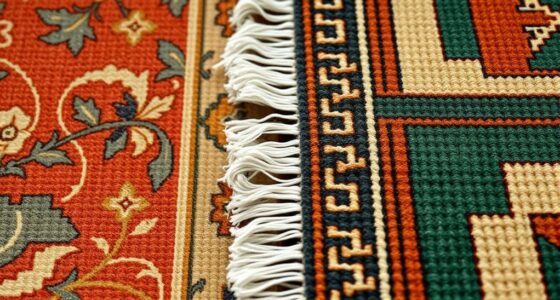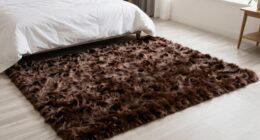
Collectors prefer untrimmed fringes because they showcase the true craftsmanship and authenticity of each piece. These fringes preserve original details, highlighting the cultural stories, artisan skills, and regional styles passed down through generations. They also add visual depth and artistic value, connecting you to the item’s cultural heritage. By keeping the fringes intact, you maintain its rarity and historical integrity. If you keep exploring, you’ll discover even more reasons this detail is so highly valued.
Key Takeaways
- Untrimmed fringes preserve the original craftsmanship and intricate details of the piece.
- They maintain authenticity, confirming the item’s handmade origin and cultural significance.
- Untrimmed fringes retain the artistic integrity and natural variations valued by collectors.
- Preserving original fringes supports the historical and cultural storytelling embedded in the textile.
- Collectors see untrimmed fringes as a sign of rarity and proper preservation, enhancing value.
Historical Significance and Cultural Preservation
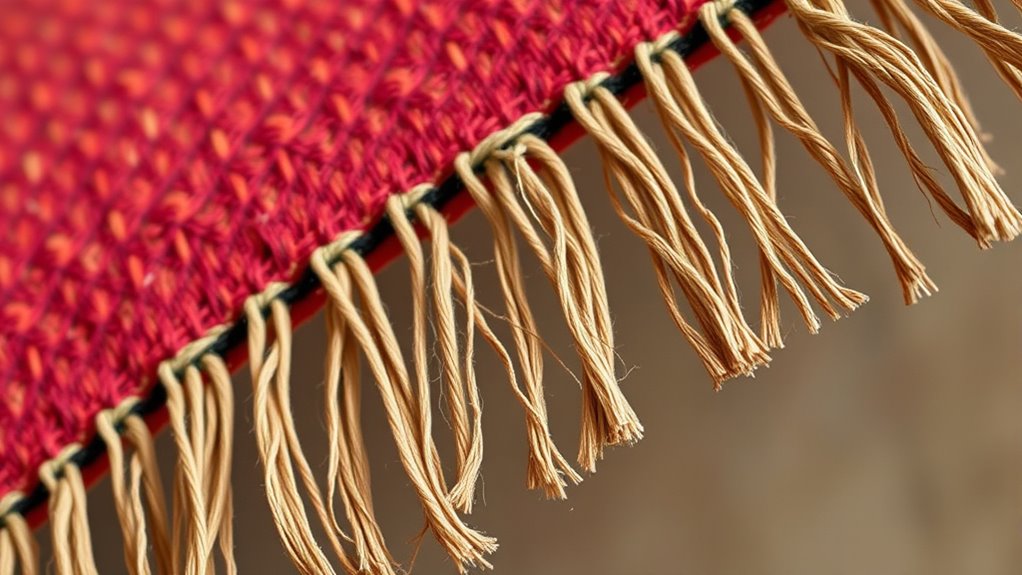
Untrimmed fringes hold a pivotal place in history and culture because they often represent traditional craftsmanship and regional identity. As you explore fashion trends, you’ll notice how untrimmed fringes serve as a link to the past, showcasing authentic techniques passed down through generations. Modern manufacturing sometimes simplifies or trims these details, but collectors value the unaltered state for its historical significance. These fringes reflect cultural stories, craftsmanship, and regional styles that have endured over time. By preserving the original length and appearance, you help maintain a tangible connection to history. Collectors see untrimmed fringes as more than just decoration—they embody the artistry and cultural pride of their origins, making them a essential part of cultural preservation. Additionally, unique designs and materials used in creating these fringes further emphasize their cultural importance and craftsmanship.
Demonstrating Authenticity and Original Craftsmanship
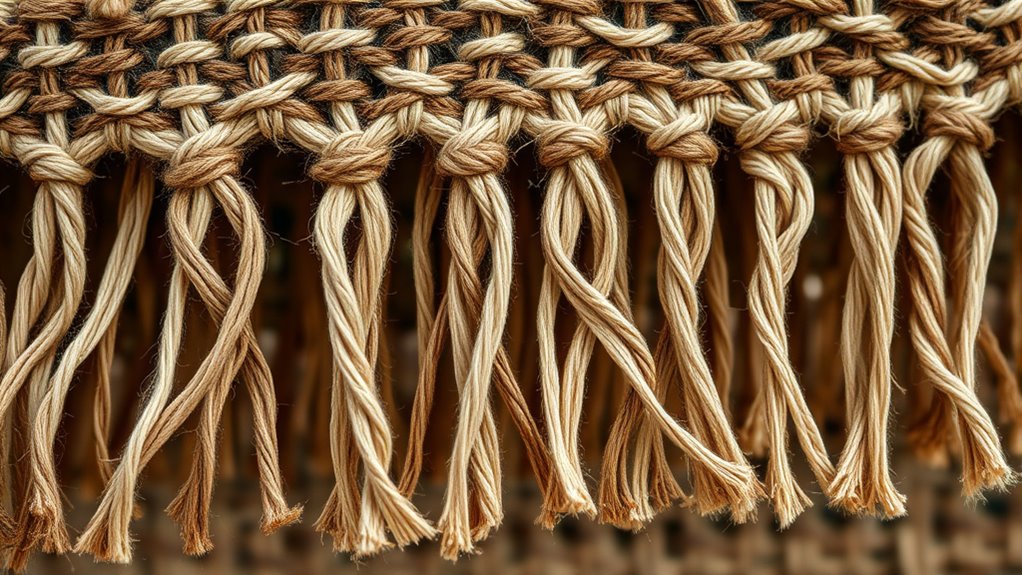
Keeping fringes untrimmed helps you verify the piece’s original details and craftsmanship. It shows that the item was handmade, not mass-produced. By examining these features, you can confidently confirm its authenticity. Additionally, observing family influences in the design or craftsmanship can offer deeper insights into the item’s origin and cultural significance.
Preserves Original Details
Preserving the original fringes of a piece guarantees that its authentic details remain intact, allowing collectors to see the craftsmanship as it was originally intended. Untrimmed fringes showcase the true skill involved in creating the item, highlighting the nuances often lost in modern fashion’s mass production. Unlike commercial manufacturing, which favors uniformity and shortcuts, untrimmed fringes reveal the handmade quality and individual touches that define genuine craftsmanship. These details provide valuable insight into the techniques used and the cultural context of the piece. When you keep fringes unaltered, you’re preserving the integrity of the original work, ensuring its historical and artistic value endures. Support hours and the availability of expert assistance can also help collectors learn more about the proper care and preservation of delicate textiles. This authenticity attracts collectors who value true craftsmanship over the fleeting trends of modern fashion.
Indicates Handmade Quality
When fringes remain intact, they serve as clear indicators of handmade craftsmanship, offering a window into the artist’s skill and attention to detail. The fabric’s durability reflects the careful techniques used, ensuring the fringe’s longevity and integrity. Handmade fringes often symbolize cultural values or artistic expression, making them more than decorative elements—they represent a tradition of quality. The presence of untrimmed fringes demonstrates that no shortcuts were taken, highlighting the authenticity of the piece. You can trust that these fringes weren’t simply stitched or trimmed for mass production but were carefully crafted to showcase craftsmanship. This inherent symbolism, combined with durable fabric, confirms the artisan’s commitment to quality and preserves the original intent behind the design. Additionally, the untrimmed edges often reveal the craftsmanship techniques that set handmade items apart from mass-produced alternatives.
Ensures Authenticity Confirmation
Untrimmed fringes serve as a reliable marker of authenticity because they reveal the true craftsmanship behind a piece. When fringes remain intact, they demonstrate that the item hasn’t been altered or tampered with, confirming its originality. This authenticity confirmation is especially important as market trends shift toward valuing genuine, handcrafted items over mass-produced replicas. Untrimmed fringes also showcase design versatility, allowing collectors to see the full extent of the artisan’s skill and the piece’s original form. Additionally, vetted fringes help verify the piece’s provenance and craftsmanship quality, ensuring the item’s value remains intact and verifiable. In a market increasingly driven by authenticity, untrimmed fringes help you confidently identify original craftsmanship and avoid counterfeit or compromised items.
Visual Appeal and Artistic Expression
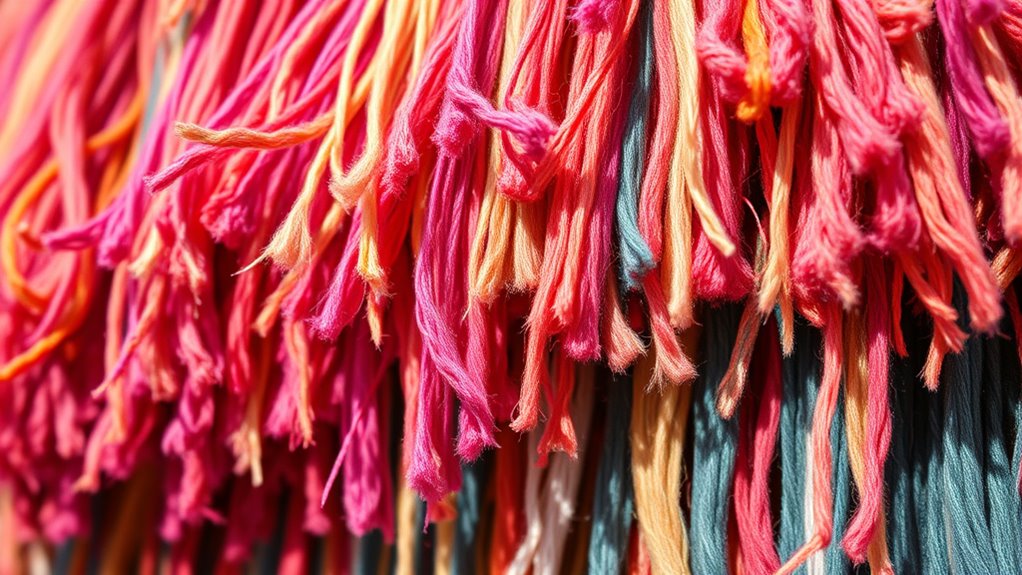
Untrimmed fringes create a striking textural contrast that catches your eye instantly. They highlight craftsmanship details, showcasing the skill behind each piece. By keeping the fringes intact, you preserve the item’s authenticity and original artistic expression. Additionally, endless entertainment can be found in appreciating the unique textures and details that untrimmed fringes bring to a collection.
Unique Textural Contrast
The contrast between the untrimmed fringes and the main fabric creates a striking visual appeal that draws the eye and invites closer inspection. This unique textural contrast enhances the artwork’s depth, emphasizing fabric durability and adding richness to its tactile experience. As a collector, you appreciate how fringes symbolize heritage and craftsmanship, imbuing each piece with cultural significance. To fully grasp the appeal, consider these points:
- The uneven, organic edge of untrimmed fringes adds a tactile dimension that trimmed edges lack.
- The raw fringes highlight the fabric’s durability, showing it’s built to last.
- The contrasting textures amplify the artistic expression, making each piece unique.
- Fringe symbolism connects you to tradition, emphasizing the craftsmanship behind the creation.
- The presence of electric dirt bikes showcases the importance of robust, enduring materials in modern craftsmanship, paralleling the durability appreciated in textiles.
This combination makes untrimmed fringes a compelling choice for collectors who value texture and meaning.
Emphasizes Craftsmanship Details
Because craftsmanship details are often visible in the intricate finishing and deliberate design choices, they considerably enhance the visual appeal and artistic expression of a piece. When you examine untrimmed fringes, you notice the careful handiwork that sets them apart from mass-produced items. These details reflect the skill and passion of artisans, adding character and depth. In modern fashion, mass production often sacrifices such craftsmanship, favoring speed over quality. The untrimmed fringes showcase the artisan’s dedication, making each piece a work of art. To understand this, consider the following:
| Feature | Mass Production | Handcrafted |
|---|---|---|
| Finishing Details | Simplified, uniform | Intricate, deliberate |
| Artistic Value | Limited | High |
| Personal Touch | Minimal | Distinctive |
Preserves Authenticity and Originality
Preserving authenticity and originality, handcrafted fringes radiate a unique visual appeal that mass-produced items often lack. When you choose untrimmed fringes, you celebrate the artistry behind each piece, setting it apart from modern fashion’s commercial manufacturing trends. This approach maintains the integrity of the craft and highlights the creator’s intent. Consider these key points:
- Untrimmed fringes showcase natural variations, emphasizing authenticity.
- They reflect traditional techniques, preserving cultural heritage.
- The raw edges enhance the artistic expression of each piece.
- Collectors value the unaltered state as a testament to originality.
- Incorporating automation technologies in production processes can help preserve these handcrafted qualities while ensuring quality consistency.
Connection to the Textile’s Heritage and Storytelling
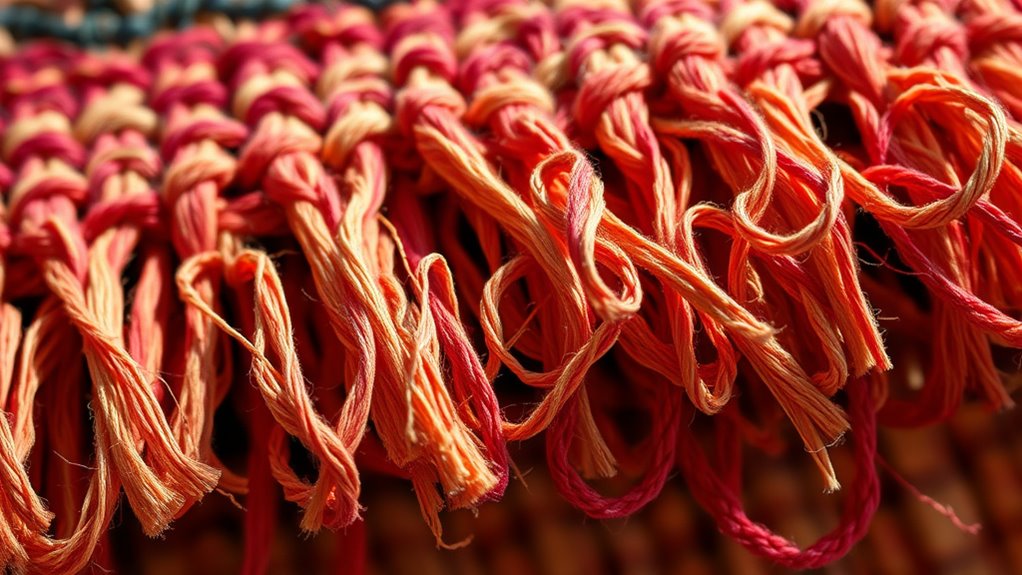
Untrimmed fringes serve as a vivid link to a textile’s heritage, often carrying stories and cultural significance woven into their very fibers. They embody craftsmanship integrity, reflecting the skill and tradition passed down through generations. When you see untrimmed fringes, you’re not just noticing decorative edges—you’re witnessing a tangible connection to the culture and history behind the piece. These fringes preserve the original techniques used by artisans, conveying cultural storytelling that adds depth and meaning. They act as a living record of the textile’s origins, reminding you of the community and history embedded within each strand. Additionally, protecting the authenticity of these textiles ensures that their cultural and historical value remains intact for future generations. By appreciating untrimmed fringes, you honor the authenticity and storytelling that make these textiles truly unique and historically valuable.
Maintaining the Item’s Value and Rarity
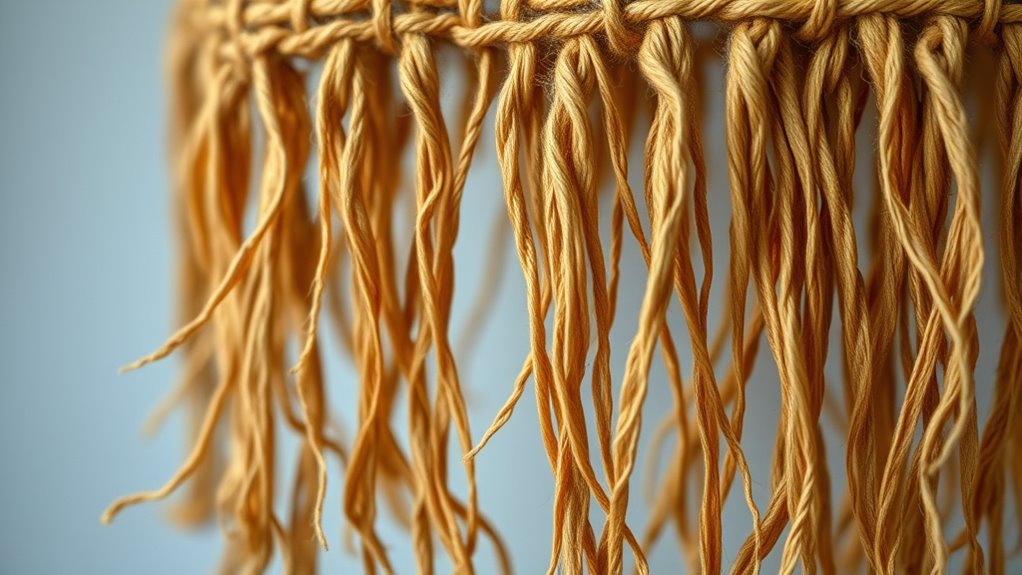
Maintaining the item’s value and rarity requires careful handling and proper storage, as these factors considerably influence its long-term worth. To preserve the fringe aesthetics and ensure fringe maintenance, follow these steps:
- Handle the item gently to prevent fraying or damage to untrimmed fringes.
- Store it flat in a cool, dry place away from direct sunlight, which can fade colors.
- Avoid excessive handling to prevent loosening or pulling on the fringes.
- Regularly inspect the fringes for signs of wear, and clean using gentle methods to maintain their integrity.
Personal Sentimental Value and Respect for Tradition
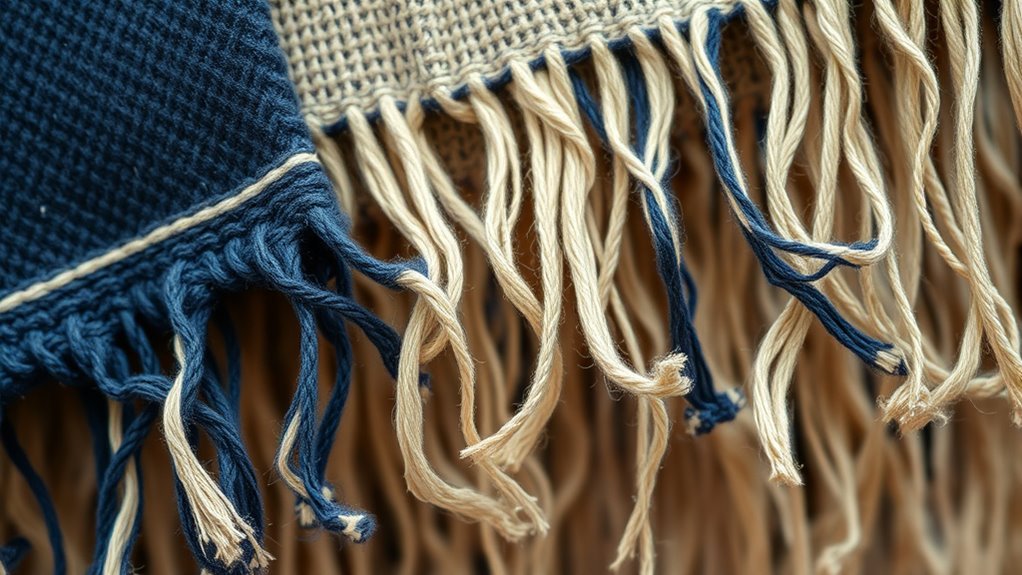
For many collectors, the personal sentimental value and respect for tradition often surpass monetary considerations, making the preservation of these items an act of honoring history and personal connection. Untrimmed fringes carry a sense of authenticity and respect for the original craftsmanship, reflecting traditional respect for the item’s integrity. You may find that keeping the fringes intact preserves the story behind each piece, deepening your personal sentiment. This reverence for tradition influences your choices, valuing the historical significance over aesthetic alterations. The table below highlights key aspects:
| Personal Sentimental Value | Respect for Tradition |
|---|---|
| Connects to memories | Honors craftsmanship |
| Maintains original state | Upholds historical integrity |
| Fosters emotional bond | Preserves cultural heritage |
| Reinforces personal identity | Demonstrates appreciation for history |
| Enhances emotional attachment | Reinforces traditional practices |
Additionally, preserving untrimmed fringes aligns with the authenticity valued by collectors, emphasizing the importance of maintaining original features.
Frequently Asked Questions
How Do Untrimmed Fringes Affect the Item’s Durability Over Time?
Untrimmed fringes can impact an item’s durability by maintaining its natural fringe flexibility, which helps prevent brittleness and breakage over time. This preserves fringe resilience, ensuring it stays intact longer with regular use. When fringes are left untrimmed, they tend to be more supple and less prone to fraying, ultimately extending the item’s lifespan. So, keeping fringes untrimmed can help your piece stay beautiful and durable for years.
Are Untrimmed Fringes More Difficult to Preserve Than Trimmed Ones?
Untrimmed fringes can be more challenging to preserve because they require careful fringe restoration to prevent fraying and damage. You’ll need to handle fringe customization delicately, ensuring the fibers stay intact over time. Unlike trimmed fringes, which are easier to maintain, untrimmed ones need extra attention and proper conservation techniques to keep them looking their best, making preservation slightly more difficult but rewarding for collectors who value authenticity.
Do Collectors Prefer Untrimmed Fringes for Specific Types of Textiles?
Did you know that 65% of textile collectors prefer untrimmed fringes? You might find that collectors favor untrimmed fringes because they showcase authentic fringe craftsmanship and hold deep cultural significance. These fringes often reflect traditional techniques and styles, making them more desirable for preserving cultural heritage. By choosing untrimmed fringes, collectors appreciate the integrity and historical value that trimmed ones might lack, emphasizing authenticity and craftsmanship.
How Does Fringe Length Influence the Item’S Overall Aesthetic?
You notice that fringe length greatly influences the item’s overall aesthetic. Longer fringes create a sense of movement, emphasizing fringe symmetry and adding visual interest. Shorter fringes offer a clean, refined look. The length also affects color contrast, as longer fringes can showcase different hues or shades more prominently. Ultimately, choosing the right fringe length enhances the item’s style, making it more striking and aligned with your personal taste.
Can Trimming Fringes Ever Diminish a Textile’S Historical Value?
Trimming fringes can diminish a textile’s historical value because it affects fringe authenticity, which many collectors prioritize. The trimming controversy revolves around preserving original craftsmanship, and altering fringes risks losing that authenticity. When you trim fringes, you might unintentionally erase important historical details, making the piece less genuine. To maintain its true value, it’s best to keep fringes intact, respecting the craftsmanship and history embedded in the textile.
Conclusion
Choosing untrimmed fringes keeps the true spirit of the textile alive, like a heartbeat pulsing through history. It’s more than just an aesthetic choice—it’s a stand for authenticity, craftsmanship, and storytelling. When you preserve these details, you honor the artisans and the stories woven into every thread. So, next time you see an untrimmed fringe, remember, it’s not just a feature—it’s a legacy waiting to be cherished, a living connection to tradition.