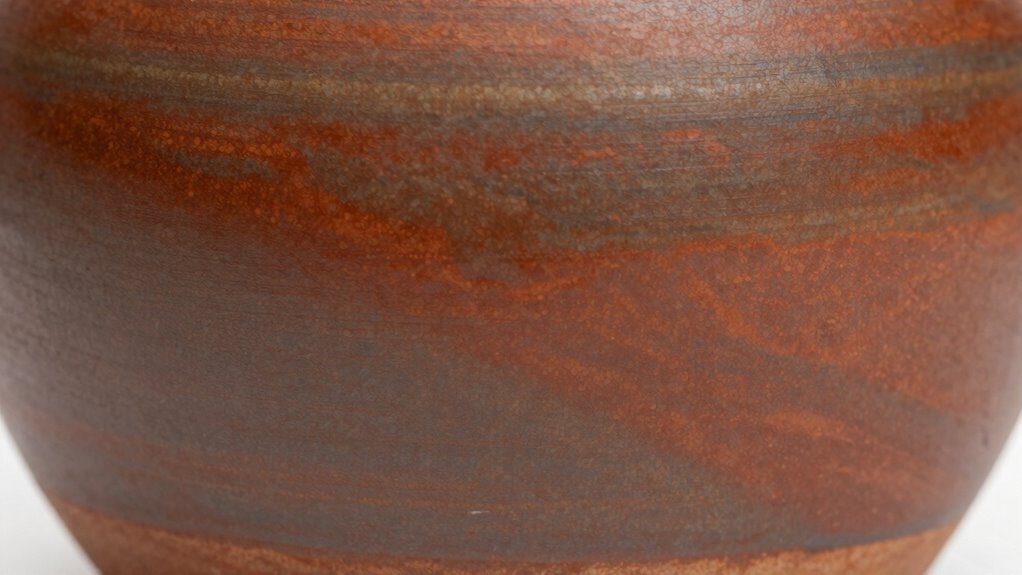
Abrash is a natural, intentional variation in color that occurs in dyes, fibers, and wood, adding character and uniqueness to a piece. It develops during dyeing and weaving due to uneven dye absorption, tension, and natural material properties. Authentic abrash features soft, organic shifts rather than uniform patches, making each item distinctive. If you want to uncover how this beautiful effect forms and how to identify it, there’s more to explore below.
Key Takeaways
- Abrash is a natural, intentional color variation in textiles or wood that highlights craftsmanship and organic beauty.
- It results from uneven dye absorption or fiber properties, creating subtle, flowing color shifts.
- Authentic Abrash enhances character and uniqueness, reflecting the material’s natural development and aging.
- Proper techniques can control or emphasize Abrash, making variations appear intentional and aesthetically pleasing.
- Recognizing genuine Abrash involves observing organic, uneven color transitions and slight surface inconsistencies.
What Is Abrash and Why Do People Value It?
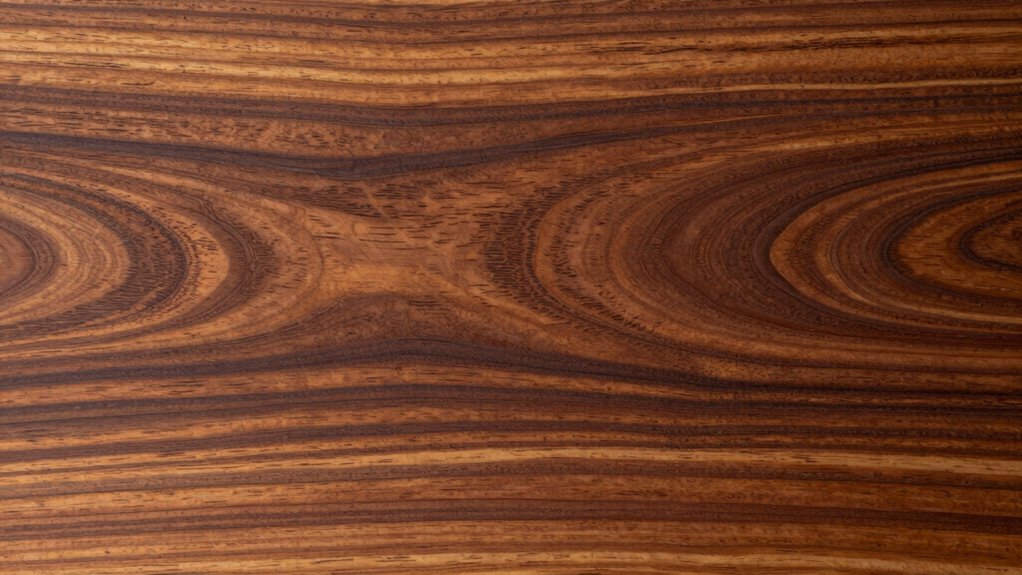
Have you ever noticed the subtle, wavy patterns of color variation on a blade or a piece of metal? That’s what we call abrash, and it’s highly valued because it highlights the natural beauty of dyed fibers. This variation results from differences in dye stability and how the colors develop over time, creating unique, flowing patterns. People love abrash because it adds character and authenticity to textiles, making each piece one-of-a-kind. Unlike uniform dyeing, abrash showcases the natural interaction between dyes and fibers, emphasizing the craft’s artistry. When dye stability is high, the colors resist fading, ensuring the pattern remains vibrant and rich in color longevity. This combination of durability and distinctive appearance makes abrash a sought-after feature in woven textiles. Additionally, understanding the colorfastness of dyes can help artisans predict how well the pattern will endure over years of use.
How Does Abrash Develop During Dyeing and Weaving?
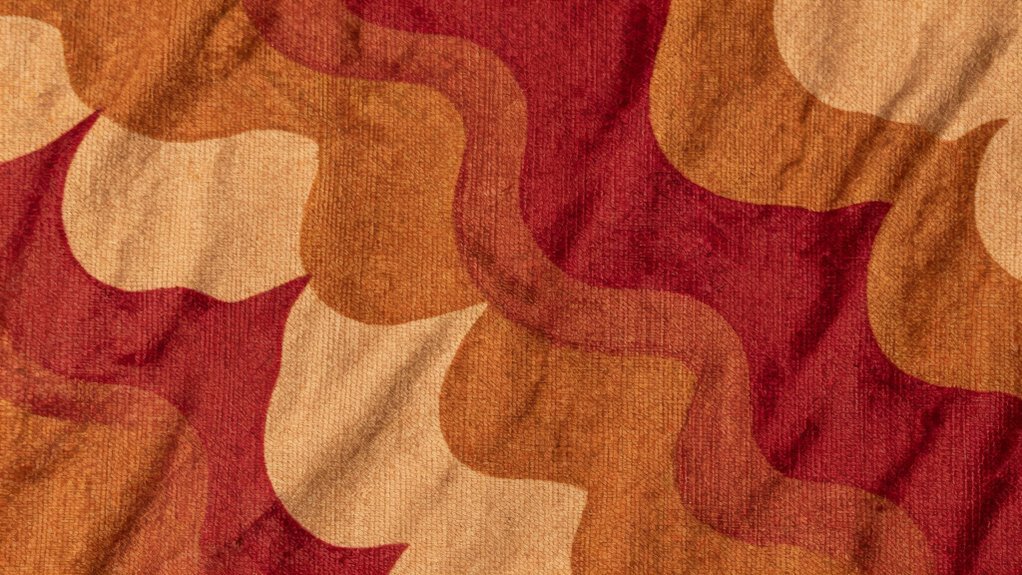
As your fabric is dyed and woven, variations in dye absorption can create subtle shifts in color. Changes in weaving tension also influence how the fabric looks, adding to the abrash effect. Over time, light exposure and wear further enhance these naturally occurring differences. Additionally, understanding visual and auditory cues can help in recognizing these variations as intentional features rather than imperfections.
Dye Absorption Variability
Dye absorption variability occurs because different fibers or areas within a fabric take up dye at different rates, leading to uneven coloration. This happens because each fiber has a unique fiber dye affinity, which affects how quickly it absorbs dye. Some fibers may attract dye more readily, resulting in darker or more saturated spots, while others absorb less dye, creating lighter areas. During dyeing and weaving, these differences cause natural variations that contribute to abrash. Factors like fiber type, length, and surface porosity influence dye absorption rates. As a result, even with consistent dyeing procedures, subtle color shifts develop. This variability is a key element that artisans embrace, as it enhances the fabric’s character and highlights its handcrafted nature. Innovative European cloud servers can support sustainable manufacturing processes that minimize environmental impact while maintaining quality.
Weaving Tension Effects
During the weaving process, variations in tension across the fabric can substantially influence how abrash develops. When tension is uneven, some warp or weft threads are pulled tighter, causing slight shifts in how the dye settles. These tension differences can disrupt color consistency, resulting in subtle or pronounced color variations that enhance the fabric’s visual depth. If tension is too loose, dye may pool unevenly, reducing dye uniformity and creating patches of darker or lighter shades. Conversely, overly tight tension can stretch the fibers, affecting how dye is absorbed. Managing consistent tension throughout weaving helps maintain better color uniformity, allowing abrash to appear as a deliberate feature rather than an unintentional defect. This balance is essential for achieving the desired aesthetic and quality in woven textiles, and project management support plays a vital role in maintaining such consistency throughout production.
Light and Wear Impact
Light exposure and wear patterns play a significant role in how abrash develops over time. As your rug is exposed to sunlight and foot traffic, the dye molecules gradually fade, creating subtle color variations known as color fading. These changes often form a surface patina, giving the rug a unique character and depth. Areas with more frequent contact or sunlight will show more pronounced fading, enhancing the visual contrast of abrash. Over time, this natural process accentuates the rug’s individual quirks and history. Instead of diminishing its beauty, the surface patina adds to its authenticity and charm. Recognizing the influence of wear and aging helps you appreciate abrash not as a flaw, but as a testimony to the rug’s age and the environment it’s endured.
How Can You Spot Authentic Abrash in Textiles?
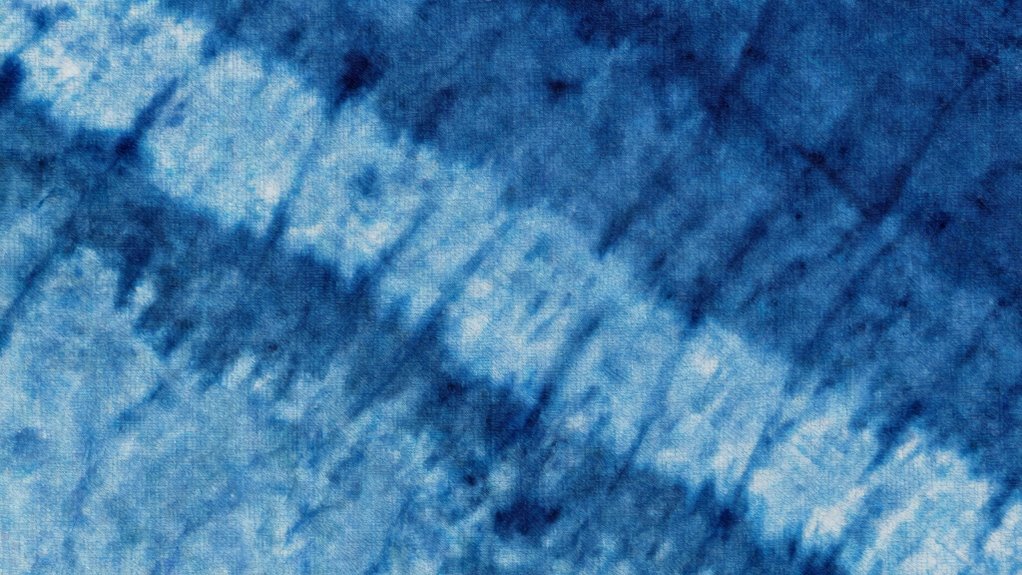
Wondering how to identify authentic Abrash in textiles? The key is to look for natural, uneven color shifts that indicate genuine craftsmanship. Authentic Abrash often features subtle variations in color, revealing its handcrafted origin. Check for inconsistencies in texture uniformity—perfectly smooth and even surfaces usually signal artificial or machine-made fabrics. Use this table to guide your inspection:
| Aspect | What to Look For |
|---|---|
| Color Variations | Irregular, gradual shifts rather than uniform patches |
| Texture Variability | Slight inconsistencies, not perfectly smooth or even |
| Edges and Transitions | Soft, organic transitions between shades |
| Overall Appearance | Authentic Abrash feels lively and natural, not monotonous |
| Craftsmanship | Handcrafted textiles often display unique, subtle imperfections |
Being familiar with these visual cues can help you distinguish truly authentic Abrash from imitations.
Examples of Abrash in Rugs, Wall Finishes, and Fabrics
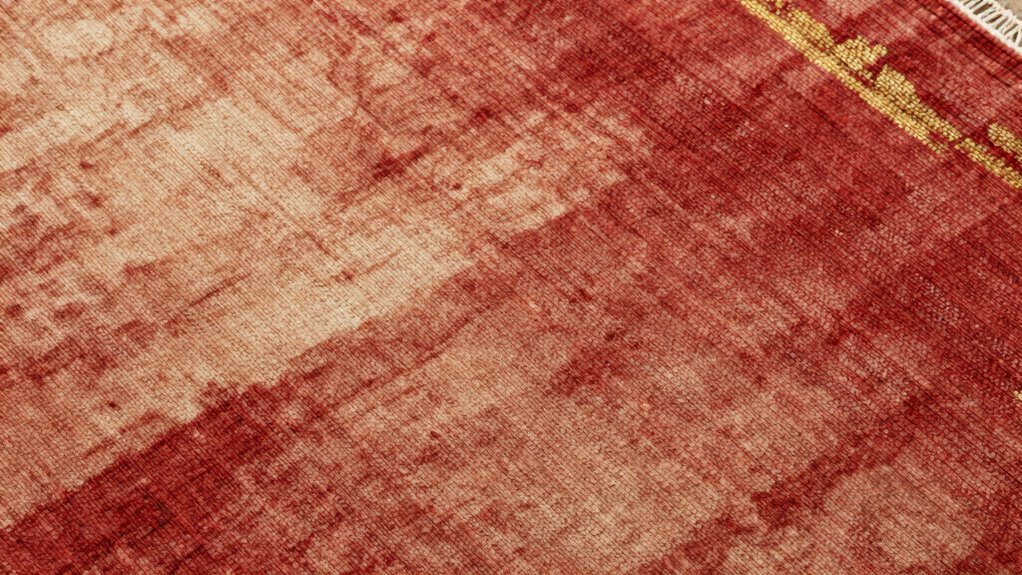
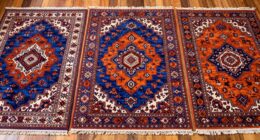
Have you ever noticed the subtle, uneven color variations that give authentic Abrash its unique character? In rugs, Abrash appears as areas where color intensity shifts, creating a lively, dynamic look. These variations often highlight pattern irregularities, making each piece one-of-a-kind. Wall finishes like plaster or faux painting techniques showcase Abrash through uneven pigmentation, adding depth and texture. Fabrics, especially handwoven textiles, display Abrash as irregular color patches that enhance visual interest. These examples reveal how Abrash transforms ordinary surfaces into extraordinary works of art. Rather than flaws, these variations celebrate craftsmanship and natural dyeing processes, emphasizing the beauty of imperfection. Recognizing Abrash in these applications helps you appreciate the genuine, authentic character that color variation imparts. Authentic craftsmanship plays a key role in creating and maintaining these beautiful variations.
Why Do Natural Dyes and Wool Create Unique Abrash Effects?

Natural dyes and wool inherently produce unique Abrash effects because of their organic and variable nature. As natural fibers, wool reacts differently during dyeing, resulting in uneven absorption and subtle shifts in color. This creates natural variation that enhances the character of each rug or textile. When using natural dyes, the color blending isn’t uniform; instead, it produces gentle gradations and irregular patches that highlight the fiber’s organic qualities. Wool’s porosity allows it to absorb dye unevenly, leading to these distinctive color variations. Because the dyeing process depends on factors like fiber type, dye batch, and environmental conditions, each piece develops its own unique Abrash, making it a desirable feature rather than a flaw. This inherent variability celebrates the natural beauty of wool and dyes.
Can You Control or Enhance Abrash in Manufacturing?
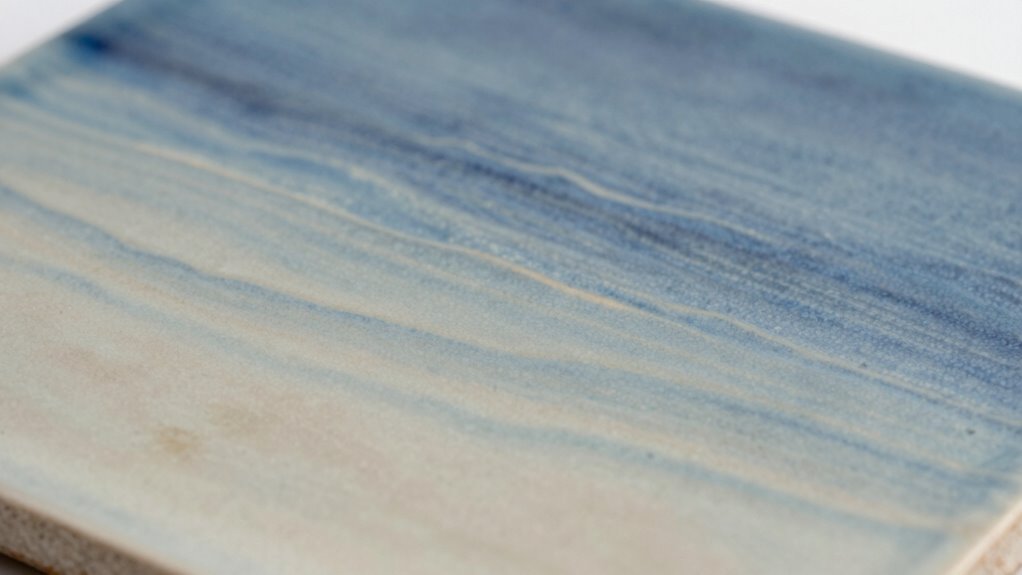
You can influence abrash in manufacturing through material selection and finishing techniques. Choosing specific fibers or dyes helps create desired variations, while coating methods can enhance or mute these effects. By carefully controlling these factors, you can intentionally shape the character of abrash in your products. Additionally, understanding the field‑of‑view and imaging‑scale can assist in evaluating how material variations will appear under different lighting and viewing conditions.
Material Selection Strategies
Controlling or enhancing abrash during manufacturing starts with careful material selection. Opt for natural fibers, such as wool or silk, which are more prone to subtle color variations that can enhance abrash naturally. These fibers absorb dyes unevenly, creating characteristic shading. To manage dye migration, select fibers with consistent quality and prepare them properly before dyeing. Controlling fiber thickness and surface texture helps influence how dye spreads, reducing unwanted uniformity. Using fibers with slightly varied composition intentionally encourages pleasant color shifts. This deliberate choice of materials allows you to harness natural inconsistencies to create authentic, visually appealing abrash effects. By understanding the properties of your chosen fibers, you can better predict and control the degree of variation, turning potential imperfections into desirable features. Additionally, understanding fiber dye absorption properties can help refine your techniques for achieving desired abrash effects.
Finishing and Coating Techniques
Finishing and coating techniques play a crucial role in either preserving or enhancing abrash effects during manufacturing. By carefully selecting finishes, you can highlight natural variation, boosting the aesthetic appeal of your product. To control abrash, consider these methods:
- Apply thin, even coats to avoid hiding subtle color shifts.
- Use translucent finishes that allow the underlying variation to show through.
- Employ buffing or polishing to accentuate the contrast between color zones.
- Adjust curing processes to influence how coatings interact with the surface, emphasizing natural variation.
- Proper surface preparation ensures that coatings adhere evenly and accentuate the desired characteristics.
These techniques help you retain the authentic charm of abrash, turning it into a deliberate design feature rather than a flaw. When executed thoughtfully, finishing and coating can elevate the visual complexity and aesthetic appeal of your finished product.
What Are Common Signs of Fake Abrash?

How can you tell if abrash is fake? One common sign is synthetic replication, where the color variation looks artificially uniform or overly consistent, lacking the natural irregularities of genuine abrash. Authentic abrash displays subtle, uneven shifts in color caused by the wood’s grain, moisture levels, or finishing techniques. If the variation appears too perfect or repetitive, it’s a red flag. Fake abrash often has a uniform coloration that doesn’t follow the organic patterns found in real wood. Additionally, overly glossy or painted finishes can mask the natural wood grain, making the color differences seem artificially manufactured. Recognizing these signs helps you distinguish between authentic, naturally occurring color variation and counterfeit effects created through synthetic methods.
Why Do Collectors and Designers Love Abrash?
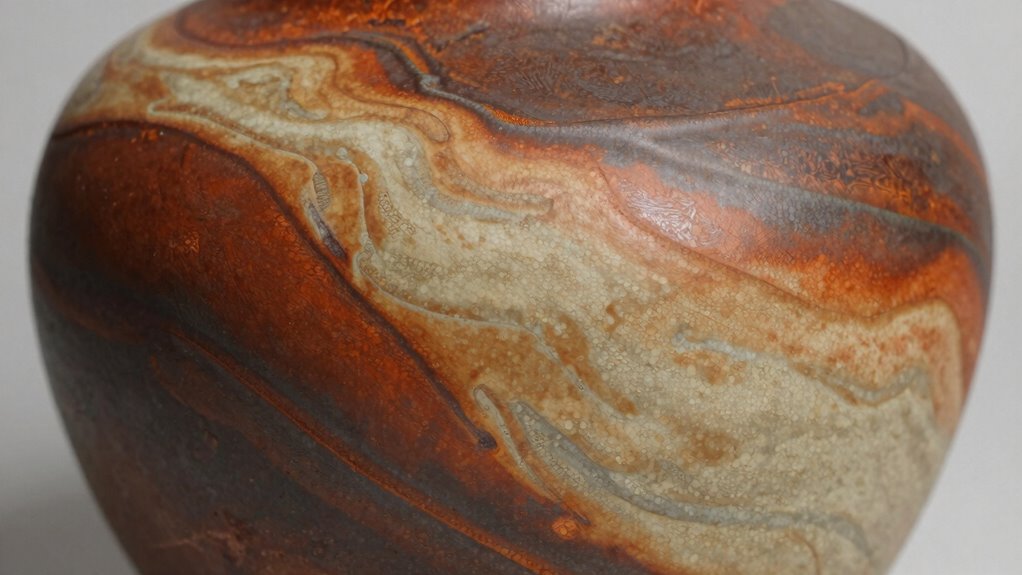
Many collectors and designers are drawn to abrash because of its unique, natural beauty that adds character and depth to wood surfaces. They appreciate the natural patterns and aesthetic variability that make each piece one-of-a-kind. Abrash’s appeal lies in:
Collectors and designers cherish abrash’s unique, natural beauty that adds character and depth to wood surfaces.
- Its swirling, irregular grain patterns that create visual interest
- The subtle shifts in color that highlight the wood’s organic origins
- The imperfections that tell a story of the wood’s history and growth
- The lively contrast between light and dark areas, adding vibrancy
These features emphasize authenticity and individuality, making abrash more than just a flaw. Instead, it’s a natural expression of the wood’s character, cherished by those who value beauty rooted in nature.
Frequently Asked Questions
Can Abrash Occur in Synthetic Dyes or Only Natural Dyes?
Abrash can occur in synthetic dyes, not just natural dyes. During synthetic dyeing, color variation might develop due to uneven dye absorption or temperature fluctuations, leading to a deliberate or natural-looking abrash effect. Unlike natural dyes, which often have inherent color inconsistencies, synthetic dyes tend to aim for color uniformity. However, when imperfections happen, they create unique, appealing variations that resemble abrash, adding character to the finished piece.
How Does Lighting Affect the Perception of Abrash?
Lighting dramatically influences how you perceive abrash, as varying light intensity and shadow effects can enhance or diminish its visibility. In bright light, the subtle color variations stand out clearly, revealing the depth and texture. Conversely, in dim or uneven lighting, abrash may seem muted or less noticeable. Shadows cast across the fabric can accentuate the natural highlights and lowlights, making the variation appear more dynamic and alive.
Are There Specific Weaving Techniques That Encourage Abrash Formation?
You can encourage color variation through specific weaving patterns like plain weave, twill, or knotting techniques that cause inconsistent yarn tension. These patterns naturally create subtle shifts in yarn placement, leading to abrash formation. By intentionally varying tension or using different dye lots, you enhance the visual depth and texture. Your choice of weaving pattern directly influences the degree of color variation, making abrash a deliberate and beautiful feature of your textile.
What Are the Historical Origins of Abrash in Traditional Textiles?
You should know that the historical origins of abrash in traditional textiles stem from regional variations and cultural significance. In many cultures, artisans intentionally embraced color changes, reflecting local dyes, climate, and weaving methods. These variations often symbolized identity or status, and over time, they became valued features. This practice highlights how regional techniques and cultural meanings influence textile aesthetics, making abrash a celebrated aspect of traditional craftsmanship worldwide.
How Do Different Fiber Types Influence Abrash Appearance?
Different fiber types influence abrash appearance through fiber contrast and dye absorption. You’ll notice that wool, with its uneven dye absorption, creates more pronounced abrash, adding depth and variation. Cotton, on the other hand, absorbs dye more evenly, resulting in subtler variations. Synthetic fibers often resist dye absorption, leading to minimal abrash. By choosing specific fibers, you can control how vivid or subtle the color variation appears, enhancing your textile’s character.
Conclusion
Think of abrash as the sunrise in your textile journey—each subtle shift of color a new dawn, revealing the soul of handcrafted artistry. Embrace these natural variations as signs of life and history woven into every thread, making each piece uniquely yours. When you see abrash, you’re witnessing a story told in shades, a dance of tradition and authenticity that transforms simple fabric into a timeless masterpiece.