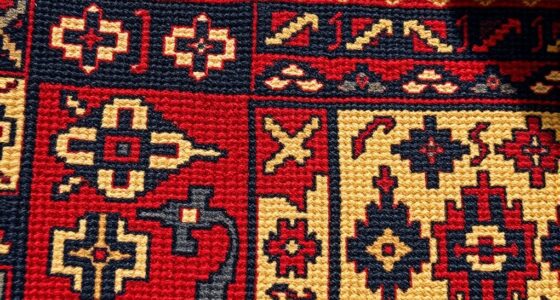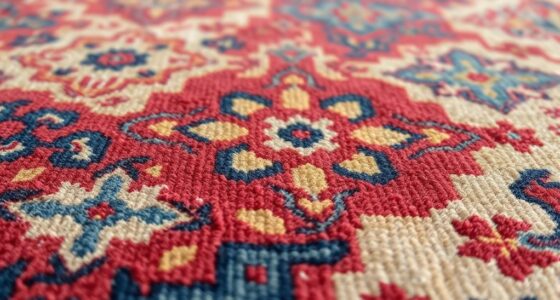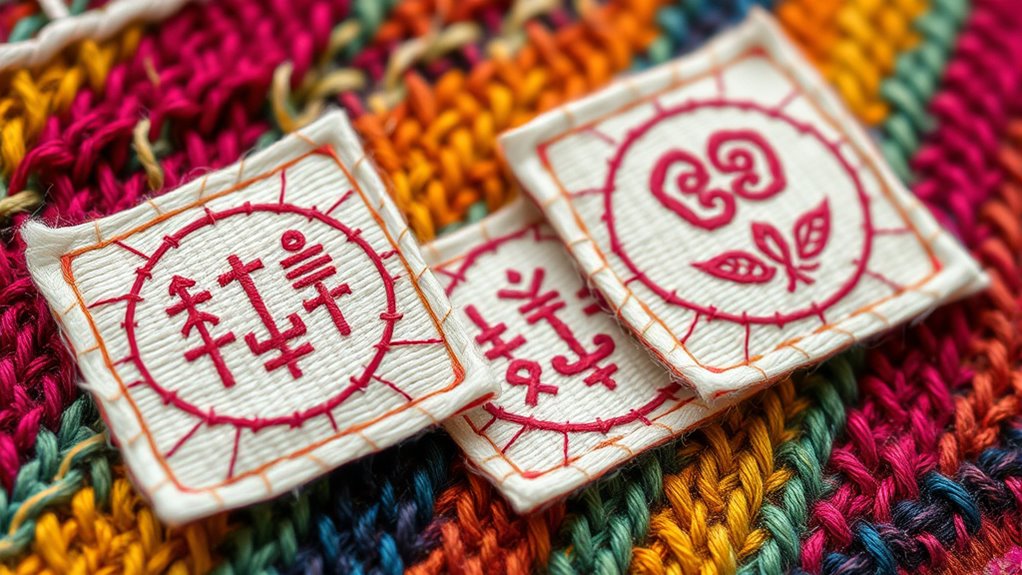

Understanding weavers’ cooperative labels helps you recognize authentic, culturally rich textiles that highlight craftsmanship and community effort. These labels are based on principles of democratic governance, transparency, and ethical practices, which assure fair treatment and sustainable sourcing. They also influence how you perceive product quality, trustworthiness, and cultural heritage. Since many labels can be confusing or misleading, it’s useful to learn how to identify genuine certifications. Keep exploring, and you’ll discover how these labels can truly guide your choices.
Key Takeaways
- Cooperative labels differentiate handmade textiles, signaling authenticity, quality, and cultural significance to consumers.
- They are based on democratic governance, ethical standards, and promote fair treatment and sustainability.
- These labels influence market perception by highlighting craftsmanship, regional heritage, and ethical practices.
- Certification involves verification of supply chains, traditional techniques, and transparent documentation.
- Authentic labels feature official marks, detailed descriptions, and verification details like serial numbers or QR codes.
The Origins of Weavers’ Cooperative Labels
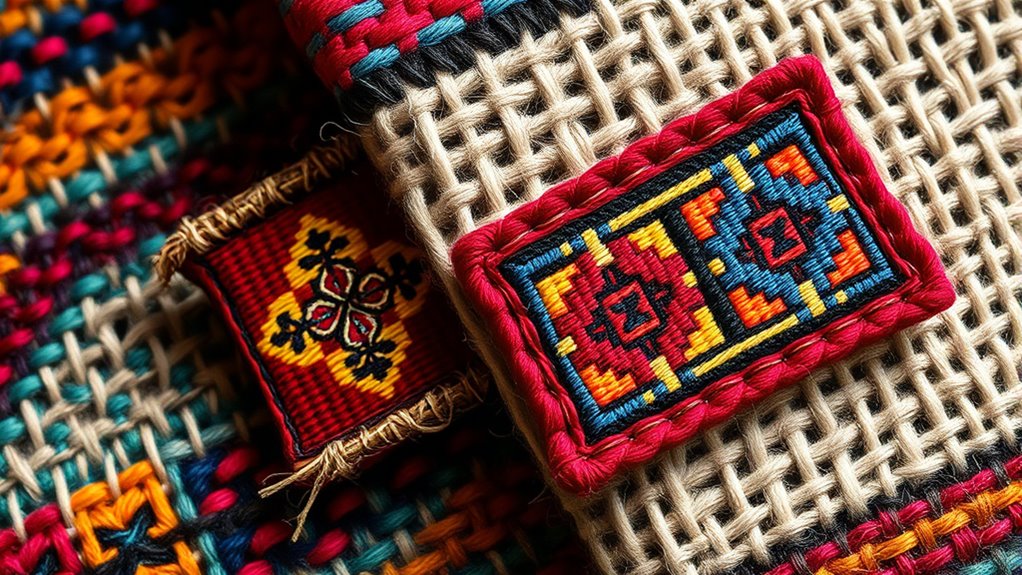
The origins of weavers’ cooperative labels date back to a time when artisans sought to distinguish their handmade products in a competitive market. Historically, these labels emerged as a way to signal quality and authenticity, helping consumers identify genuine craftsmanship. Cultural influences played a significant role, as different regions developed unique symbols and meanings tied to local traditions and techniques. These labels became a means for artisans to preserve their cultural heritage while gaining recognition for their work. Over time, they evolved from simple marks to symbols of trust and social status. By understanding their historical origins, you see how these labels serve not just as identifiers but as powerful links to cultural identity, craftsmanship, and the collective effort of artisans. Additionally, the rise of market growth in AI tech has influenced branding and product verification processes, further emphasizing the importance of authentic labeling practices.
Key Principles Behind Cooperative Certifications

You should understand that cooperative certifications are built on democratic governance, meaning members have a real say in decisions. Ethical production standards make sure that workers are treated fairly and sustainably. These principles help guarantee that the label truly reflects the cooperative’s values and practices. Additionally, flat iron bike features and performance standards further ensure quality and reliability in cooperative products.
Democratic Governance Structures
Democratic governance lies at the core of cooperative certifications, ensuring that members have a meaningful say in decision-making processes. As a member, you participate in shaping the cooperative’s policies and practices, which often highlight respect for traditional techniques and artistic expression. This structure empowers you to voice opinions on how products are made, ensuring that cultural methods are preserved and valued. This democratic approach not only supports fair treatment but also promotes the sustainability of traditional craftsmanship. By involving everyone equally, the cooperative fosters transparency and shared responsibility. Your input influences decisions about resource allocation, quality standards, and future directions. Emphasizing vibrational alignment helps maintain the integrity of the cooperative’s values while empowering you to actively contribute to its success.
Ethical Production Standards
Ethical production standards are the foundation of cooperative certifications, ensuring that products are made responsibly and fairly. These standards emphasize sustainable sourcing, meaning you support materials obtained in environmentally friendly ways that benefit local communities. They also require transparent supply chains, so you can trace each step of production and verify fair labor practices. By adhering to these principles, cooperatives demonstrate their commitment to social and environmental responsibility. This transparency helps you make informed choices, knowing that your purchase supports ethical treatment of workers and sustainable practices. When a product bears a certification based on these standards, you can trust it was produced with integrity, respecting both people and the planet. Ethical production standards are key to fostering trust and promoting positive change in the textile industry.
How Labels Reflect Ethical Labor Practices

Labels on weavers’ cooperative products serve as a crucial indicator of ethical labor practices, reassuring you that fair wages, safe working conditions, and respect for workers’ rights are upheld. These labels often reflect commitments to sustainable sourcing and minimizing environmental impact. To understand their significance, look for:
- Certification marks confirming fair wages and workers’ rights
- Transparency about working conditions and labor standards
- Indicators of environmentally responsible practices supporting sustainable sourcing
- Certifications that ensure safe, healthy workplaces
Additionally, these labels often include labor standards that verify compliance with national and international regulations. They help you identify products made with ethical labor practices, ensuring that your purchase supports fair treatment for workers and reduces environmental harm. They’re a reliable guide to making socially responsible choices that value human dignity and environmental sustainability.
The Role of Fair Trade in Cooperative Labels

Fair Trade plays an essential role in cooperative labels by ensuring that producers receive fair compensation and work under equitable conditions. It promotes ethical sourcing, meaning materials are sourced responsibly, without exploitation or environmental harm. When a product bears a Fair Trade label, you can trust that the weavers and artisans are paid fairly and work in safe environments. This certification supports small-scale producers and encourages transparent trading practices. Fair Trade helps improve livelihoods by providing stable income and fostering sustainable development. It also emphasizes social and environmental responsibility, aligning with consumers’ desire to make ethical choices. Additionally, research indicates sound vibrations can enhance cellular regeneration and overall health, which aligns with the principles of sustainable and health-conscious production. Ultimately, Fair Trade strengthens cooperative labels by promoting trust, fairness, and sustainability throughout the supply chain, empowering producers and ensuring their work benefits their communities.
Community Empowerment Through Certification
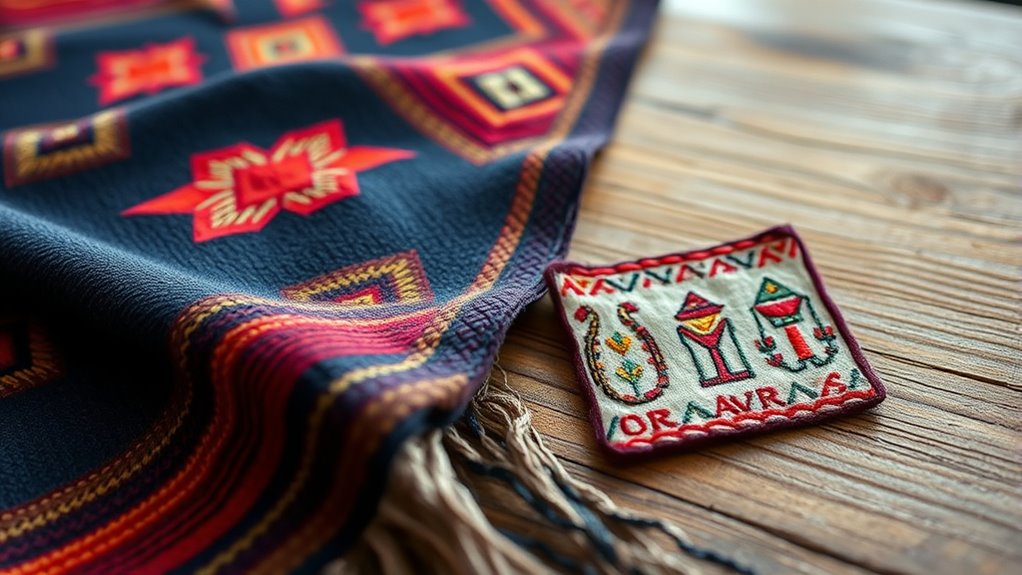
When a cooperative earns certification, you help strengthen local economies by creating jobs and supporting small-scale artisans. This recognition also encourages the preservation of cultural heritage, keeping traditional weaving techniques alive. Additionally, community empowerment through certification fosters sustainable development and resilience. Ultimately, certification empowers communities to thrive while sharing their unique crafts with the world.
Strengthening Local Economies
Certification programs can play a pivotal role in strengthening local economies by empowering communities to showcase their unique products and craftsmanship. When you support labels emphasizing sustainable materials and artisan collaborations, you help boost local industries. These programs encourage producers to use eco-friendly resources, attracting conscious consumers. Here are four ways certification strengthens economies:
- Increases market access for community-made products.
- Boosts income stability for artisans and their families.
- Encourages sustainable practices that preserve local resources.
- Fosters community pride and collaboration among artisans.
Promoting Cultural Heritage
Promoting cultural heritage through certification empowers communities to preserve and share their unique traditions and craftsmanship. By earning certification, you support textile preservation efforts that keep traditional techniques alive for future generations. This process also highlights artisan storytelling, allowing you to communicate the cultural significance behind each piece. Certification helps you showcase authentic, culturally rich products that foster pride among local weavers. It encourages consumers to appreciate the history and skill embedded in every textile, strengthening cultural identity. Additionally, Self Watering Plant Pots can serve as a metaphor for sustainable practices that support the longevity of cultural traditions and craftsmanship. As a result, your community gains recognition and economic opportunities while safeguarding its heritage. Ultimately, promoting cultural heritage through certification isn’t just about selling textiles; it’s about honoring and perpetuating the stories, skills, and traditions that define your community’s identity.
Differentiating Between Various Cooperative Labels
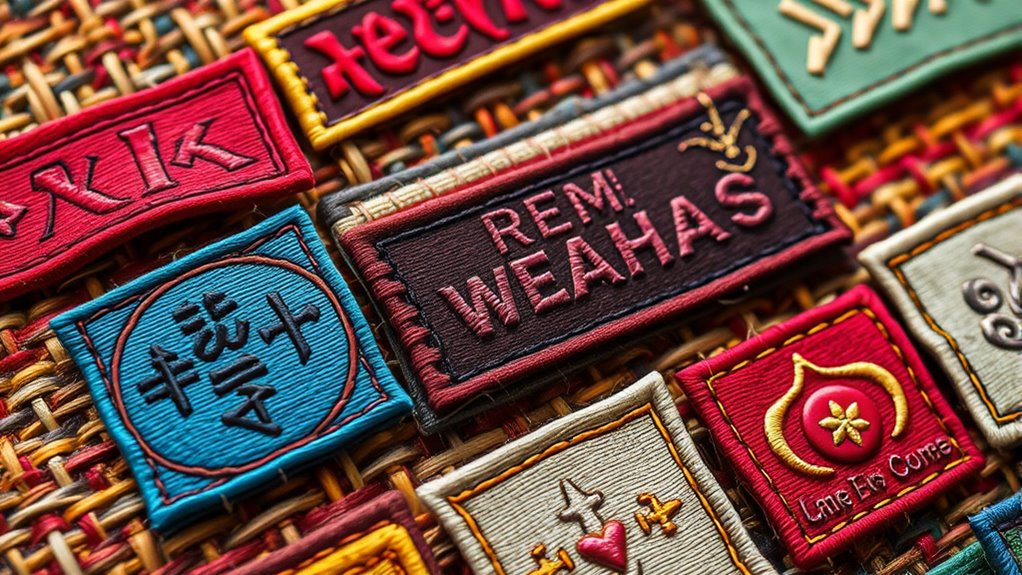
Understanding the differences between various cooperative labels can be confusing, but recognizing their unique features helps you make informed choices. Some labels emphasize artisan craftsmanship, showcasing skilled weaving and traditional dyeing techniques. Others highlight sustainable practices or fair trade commitments. To help you distinguish, consider these key points:
Different cooperative labels highlight craftsmanship, sustainability, fair trade, or regional traditions—helping you make informed, ethical choices.
- Artisan craftsmanship labels focus on handcrafted quality, often showcasing intricate weaving and dyeing techniques.
- Fair trade labels guarantee fair wages and ethical working conditions for weavers.
- Sustainable labels emphasize eco-friendly dyeing processes and environmentally conscious production.
- Geographic or cultural labels highlight specific regional techniques, preserving heritage and authenticity.
The Impact of Labels on Consumer Choices
Labels play a crucial role in shaping your purchasing decisions by providing quick insights into a product’s origin, quality, and ethical standards. When you see a cooperative label, it often influences your perception of authenticity and trustworthiness. Luxury branding leverages compelling labels to appeal to high-end consumers, emphasizing exclusivity and craftsmanship. Effective marketing strategies use these labels to differentiate products, highlighting ethical practices and cultural heritage, which can sway your choices toward supporting responsible production. Labels help you assess value beyond price, guiding you toward products that align with your values. Additionally, understanding projector image quality can help you make more informed decisions about the visual experience you seek. As a result, they become powerful tools in shaping your preferences, encouraging you to choose ethically made, high-quality items that reflect your identity and support sustainable practices.
Challenges Faced by Weavers’ Cooperatives in Certification

While labels can boost a product’s appeal and trustworthiness, weaving cooperatives often face significant hurdles in obtaining certification. These challenges include:
- Supply chain transparency: Demonstrating clear, traceable processes demands extensive documentation, which can be costly and complex.
- High certification costs: Fees and audit expenses often strain limited cooperative budgets.
- Marketing challenges: Without certification, it’s harder to differentiate products, making it tough to attract premium markets.
- Limited technical expertise: Cooperatives may lack knowledge about certification standards and procedures, delaying or preventing certification success.
These obstacles hinder cooperatives’ ability to access new markets and leverage labels effectively, impacting their growth and reputation.
How to Identify Authentic Cooperative Labels
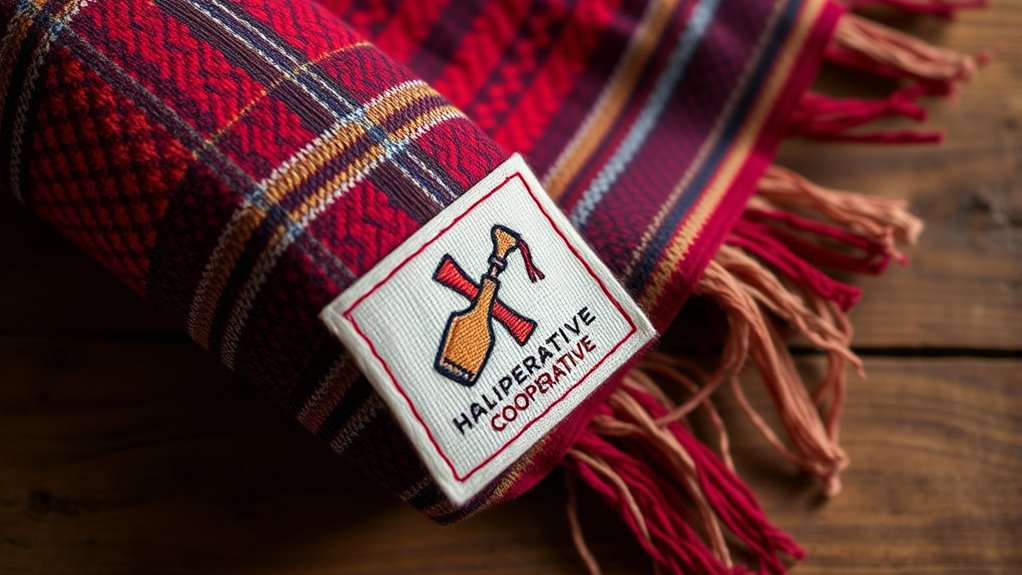
How can you tell if a cooperative label is genuine? First, check for clear certification marks or official logos that confirm authenticity. Authentic cooperative labels often feature details that highlight the origin of the handwoven textiles and the artisans behind them. Look for labels that specify the cooperative’s name and include a serial number or QR code for verification. Genuine labels emphasize artisanal craftsmanship, showcasing intricate designs and quality craftsmanship unique to the cooperative. Avoid labels that seem generic or lack detailed information. Research the cooperative’s reputation online or consult trusted sources. When you see a label that guarantees transparency, highlights traditional techniques, and emphasizes authentic craftsmanship, you can be confident you’re supporting genuine, ethical handwoven textiles.
Frequently Asked Questions
How Do Cooperative Labels Influence Global Market Access for Weavers?
Cooperative labels like Fair Trade considerably boost your access to global markets. They build trust with consumers, emphasizing ethical practices and quality, which helps you penetrate new markets more easily. These labels can increase your sales, improve brand recognition, and open doors to international buyers who prioritize fair trade standards. Ultimately, they strengthen your market presence and ensure fair compensation, making your products more competitive worldwide.
Are There Specific Regulations Governing Cooperative Labels Across Different Countries?
Think of regulations like a patchwork quilt—each country stitches its own rules, creating Certification variability. International standards attempt to unify these, but enforcement varies widely. As a weaver, you need to navigate this maze carefully. Different countries have specific regulations governing cooperative labels, impacting market access. Staying informed about these regulations helps you meet international standards and guarantees your products can cross borders smoothly, opening doors to a global market.
Can Consumers Verify the Authenticity of Cooperative Labels Easily?
You might wonder if verifying cooperative labels is straightforward. The answer depends on the label’s design and the resources available. Usually, clear label authenticity and consumer verification methods, like QR codes or official websites, make it easier for you to confirm a product’s cooperative origin. However, some labels can be confusing or easily faked, so always look for trusted symbols and confirm through official channels to ensure authenticity.
How Do Cooperative Labels Impact Long-Term Sustainability for Weavers?
It’s ironic, isn’t it? You might think labels alone guarantee sustainability, but they’re just a start. When you look at cooperative governance and real sustainability practices, you see long-term benefits for weavers. These labels encourage ethical production, fair wages, and community support, ultimately strengthening their craft and future. So, while labels catch your eye, it’s the underlying cooperative commitment that truly sustains weavers over time.
What Are Common Misconceptions About Cooperative Certification Processes?
Many people believe certification processes are straightforward, but that’s a misconception. Myths often overlook certification challenges like strict standards, lengthy paperwork, and costs. You might think certification guarantees quality or fair practices, but it’s only a part of sustainability efforts. Recognizing these myths helps you understand the real effort behind cooperative certification, ensuring you support authentic, sustainable weaving initiatives rather than falling for oversimplified ideas.
Conclusion
By understanding these labels, you hold the key to brighter futures for weavers, like a lantern guiding ethical choices through darkness. Each label is a beacon of hope, illuminating stories of empowerment and fair labor. When you choose consciously, you become an essential part of the woven tapestry that supports communities and preserves tradition. Let your choices be the thread that strengthens this fabric of fairness, trust, and cultural richness.