
Identifying abrash involves noticing gentle, natural color variations or streaks in textiles, caused by hand-dyeing and weaving processes. These subtle shifts showcase different dye lots or fiber properties, creating a unique, organic look. Instead of uniform color, look for gradual progressions that reveal craftsmanship and authenticity. Appreciating abrash highlights a piece’s character and cultural value. To explore how these variations add depth and beauty, continue exploring the fascinating world of traditional textiles.
Key Takeaways
- Abrash appears as subtle, uneven color patches or streaks caused by natural dye absorption variations.
- Authentic abrash features gentle, irregular color shifts rather than sharp or inconsistent patches.
- Recognizing abrash involves observing hue, saturation, and tone changes from different viewing angles.
- It reflects traditional dyeing techniques and craftsmanship, adding unique character to textiles.
- Variations in dye saturation and progression highlight the organic, artisanal nature of the piece.
What Is Abrash and Why Does It Occur?
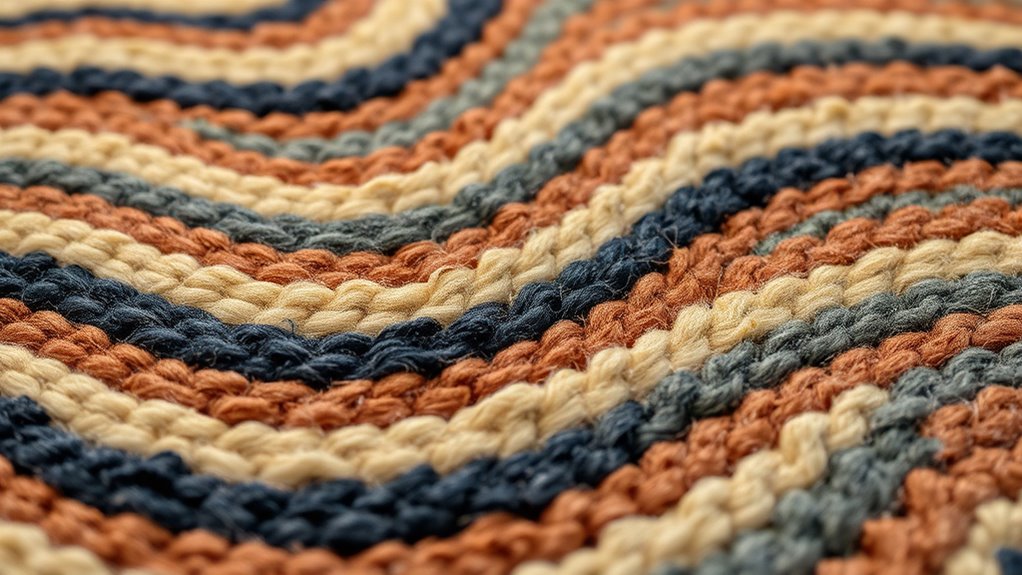
Have you ever noticed uneven color patches or streaks on a painted surface? That’s similar to what happens with abrash in textiles. Abrash occurs when dyed yarns are woven together, and the color blending isn’t perfectly uniform. This natural variation happens because different dye lots absorb dye differently, creating subtle shifts in hue. When the yarns are woven, these differences become visible as streaks or patches, adding character to the fabric. It’s not a flaw but a sign of authentic craftsmanship. Abrash highlights the natural beauty of dyed yarns, emphasizing their unique origins. This color variation can be more pronounced in hand-dyed or traditional weaving methods, giving each piece a distinctive, lively appearance that celebrates the art of dyeing and weaving. Additionally, fiber properties influence how dye is absorbed, further contributing to the variation seen in abrash.
Recognizing Color Variations in Textiles

Recognizing color variations in textiles involves paying close attention to subtle differences in hue, saturation, and tone across the fabric. You’ll notice areas where the dyed color shifts slightly, revealing the natural effects of fiber blending. These variations often result from uneven dye absorption or differences in fiber composition, creating a rich, textured appearance. When examining textiles, look for gradual changes rather than abrupt color shifts, as these are typical signs of traditional dyeing methods and fiber blending techniques. Such nuances are what give the fabric its unique character and beauty. Understanding these distinctions helps you appreciate the craftsmanship behind the weave and recognize authentic abrash in textiles, highlighting the natural, organic beauty born from the dyeing process. Additionally, the presence of fiber blending contributes significantly to the subtle color variations observed in the fabric.
The Role of Hand-Dyeing and Weaving Techniques
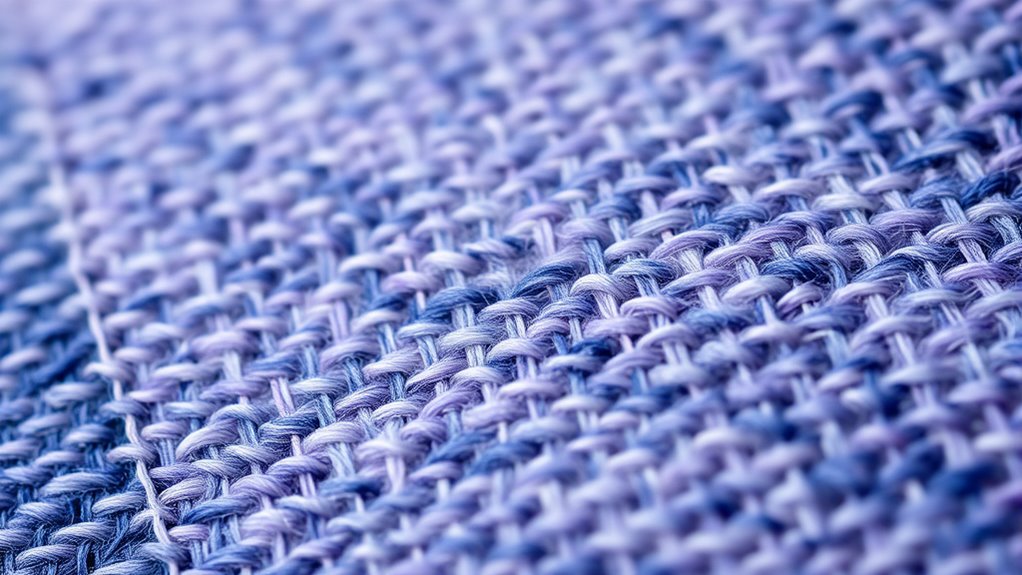
Your hand-dyeing and weaving techniques create distinctive color progressions that give textiles their character. These methods can produce subtle shifts or dramatic variations, adding visual depth to the fabric. Understanding how these techniques influence the appearance helps you identify authentic abrash.
Crafting Unique Color Transitions
Crafting unique color shifts in abrash relies heavily on the skillful use of hand-dyeing and weaving techniques. When working with different dye lots, you intentionally vary the dye application to create subtle progressions and unexpected color variations. Proper dye lot management allows you to blend colors naturally, resulting in smooth or striking contrasts that define abrash. During weaving, you can manipulate tension and pattern to enhance these color changes, emphasizing the visual impact. The key is precise control over dyeing processes and weaving methods to produce intentional irregularities. This craftsmanship ensures each piece is one-of-a-kind, capturing the beauty of natural color variation. Mastering these techniques empowers you to craft textiles with authentic, dynamic color transitions that celebrate the unique character of abrash. Additionally, understanding support hours can be beneficial when seeking assistance with dyeing or weaving equipment, ensuring you have access to expert guidance when needed.
Techniques Enhancing Visual Depth
Hand-dyeing and weaving techniques play a crucial role in enhancing the visual depth of abrash by creating nuanced layers of color that draw the eye inward. When you use dyed yarns, subtle variations in hue develop naturally, adding complexity to the fabric. These dyed yarns can be deliberately manipulated through specific hand-dyeing methods to produce gradual shifts in color intensity. Incorporating diverse weaving patterns further amplifies this depth, as different techniques—such as twill or plain weave—interact with the dyed yarns to emphasize or soften color transitions. By carefully selecting and combining dyed yarns with varied weaving patterns, you create a fabric rich in visual interest. This approach accentuates the natural beauty of abrash, making each piece uniquely vibrant and dynamic. Color variation techniques are essential in achieving the desired visual depth and uniqueness in abrash textiles.
Identifying Abrash in Different Types of Rugs
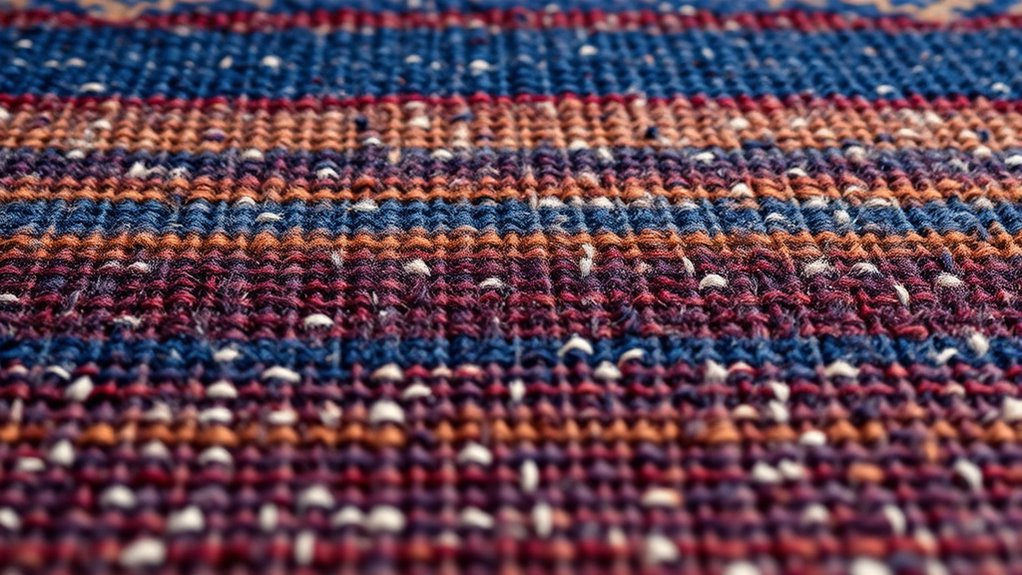
Have you ever noticed subtle color variations within a rug that seem to shift when viewed from different angles? That’s abrash revealing itself. Different rug types display abrash uniquely. For example:
- Oriental rugs often show abrash along the borders, where dye lots vary slightly due to hand-dyeing processes.
- Persian rugs may exhibit abrash within the central field, highlighting changes in the weaving pattern over time.
- Knotless or hooked rugs tend to have less abrash, but subtle shifts can still appear where the dye lot differs or the weaving pattern varies.
- Recognizing abrash involves understanding the significance of dye variations and how they contribute to a rug’s unique character.
Differentiating Abrash From Manufacturing Flaws
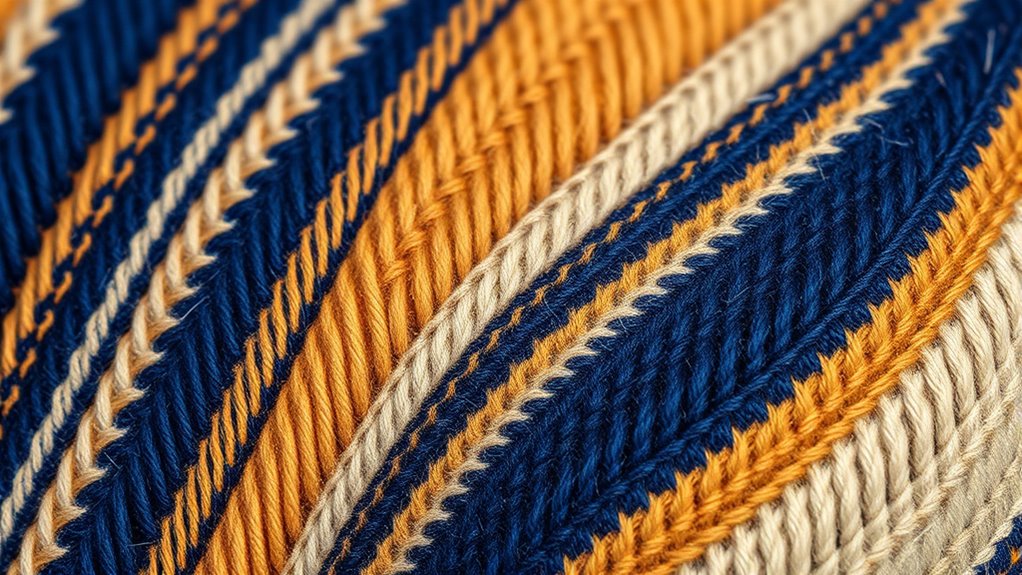
When examining a rug, you need to tell the difference between natural variations and manufacturing flaws. Authentic abrash often shows uneven color changes and irregular patterns, while flaws tend to be more random and inconsistent. Recognizing these differences helps confirm the rug’s age and craftsmanship. Understanding rug characteristics can provide further insight into identifying genuine abrash.
Natural vs. Imperfect Variations
Distinguishing natural abrash from manufacturing flaws requires a keen eye for subtle differences in appearance. Natural abrash often shows gentle, irregular color shifts caused by dye absorption in dyed yarns. In contrast, manufacturing flaws typically appear as sharp, uneven patches or streaks that seem out of place. To identify natural variations:
- Look for smooth progressions in color, reflecting the yarn’s natural dye absorption process.
- Check for consistent pattern flow, unlike abrupt or inconsistent color spots.
- Observe the overall texture—abrash usually blends seamlessly, whereas flaws stand out sharply.
- Understanding the dyeing process helps you better recognize authentic abrash versus defects.
Color inconsistencies in dyed yarns are common and add character, while flaws often indicate poor craftsmanship. Recognizing these differences helps you appreciate genuine abrash’s beauty versus manufacturing imperfections.
Recognizing Authentic Patterns
Recognizing authentic patterns involves carefully examining the overall flow and consistency of the color variations. Authentic abrash results from natural dyeing processes, where subtle shifts in dye absorption create smooth, organic color blending. Look for gentle progressions rather than abrupt changes, which often indicate manufacturing flaws. Genuine abrash follows the natural grain of the fabric, with color shifts aligning with the weave or fiber structure. Manufacturing flaws tend to be irregular, with uneven patches or streaks that lack the fluidity seen in natural dyeing. By observing how the color variations evolve across the fabric, you can distinguish authentic abrash from imitations or flaws. This attention to detail helps you appreciate the craftsmanship and natural beauty behind true abrash patterns. Additionally, understanding the benefits of natural dyeing can deepen your appreciation for these unique and authentic designs.
The Cultural Significance of Abrash in Traditional Textiles

Abrash holds deep cultural significance in traditional textiles, serving as a visual narrative of craftsmanship, history, and regional identity. It reflects the cultural symbolism embedded in each piece, telling stories passed down through generations. When you observe abrash, you’re witnessing the result of traditional craftsmanship rooted in local customs and techniques. Consider these aspects:
- The uneven color shifts symbolize the artisans’ skill in creating unique, one-of-a-kind textiles.
- Variations often indicate regional styles, connecting you to a specific community’s heritage.
- The subtle progressions embody the cultural values placed on patience and mastery in textile making.
- Recognizing these variations also highlights the importance of active listening and empathy in understanding and appreciating cultural expressions.
Tips for Appreciating and Preserving Abrash
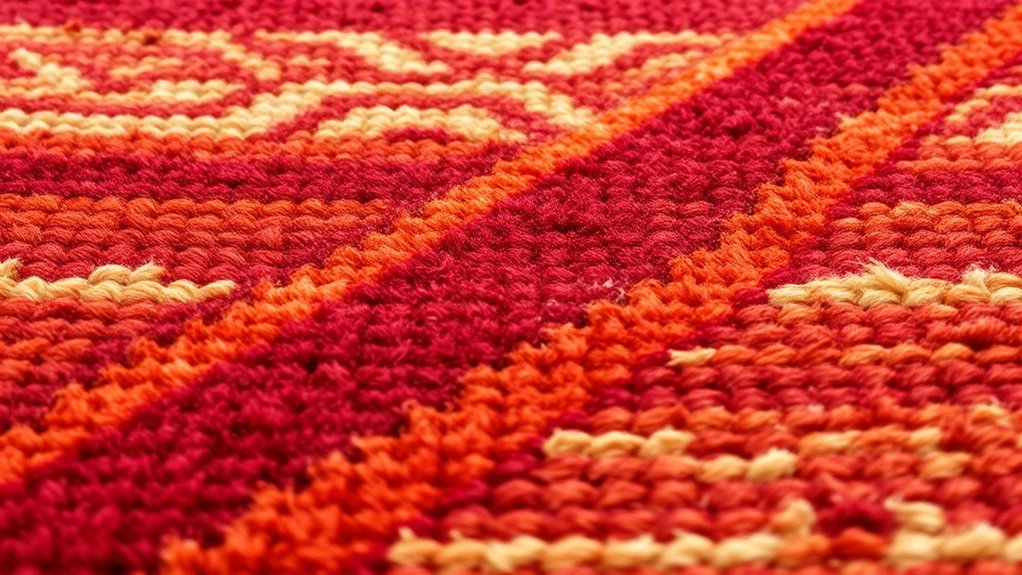
To truly appreciate abrash, you should examine textiles closely and take the time to observe the subtle color shifts. Notice how variations in dye lot can create natural differences in color saturation, adding depth and character to the fabric. When handling these textiles, avoid excessive washing or harsh chemicals, as they can diminish the unique color progressions. Instead, store your textiles in a cool, dry place to prevent fading or deterioration of the dye. If you want to preserve the authenticity of abrash, handle them gently and avoid over-cleaning, which can erase the delicate color variations. Recognizing the sustainable practices behind traditional dyeing techniques can enhance your appreciation of abrash’s organic origins and craftsmanship—each shift in hue tells a story worth cherishing.
The Value of Abrash in Antique and Contemporary Pieces
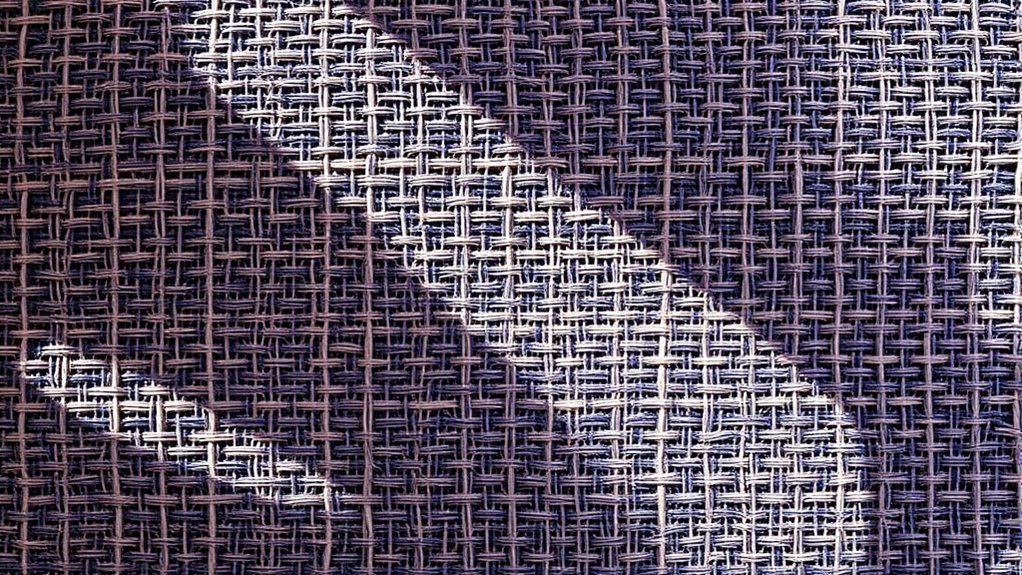
The presence of abrash markedly enhances the value of both antique and contemporary textiles, as it reflects the craftsmanship and organic processes behind their creation. It signals a unique dyeing process where color saturation varies naturally, adding character and depth. This variation indicates quality and authenticity, often increasing a piece’s desirability. To visualize this, consider:
Abrash adds character, authenticity, and value, showcasing unique craftsmanship in textiles.
- An antique rug with subtle color shifts, showing age and skilled dyeing.
- A modern textile with deliberate abrash, highlighting artisanal craftsmanship.
- The richness of uneven dye saturation that makes each item one-of-a-kind.
Abrash demonstrates the dyeing process‘s natural progression, making each piece truly unique. Its value isn’t just aesthetic but also historical, representing tradition and the skill involved in creating beautiful, lasting textiles.
Frequently Asked Questions
Can Abrash Appear in Synthetic or Machine-Made Textiles?
Yes, abrash can appear in synthetic textiles and machine-made fabrics. While traditionally associated with handwoven or natural fiber rugs, certain manufacturing processes, like dyeing or uneven application of color, can create abrash-like effects in synthetic materials. You might notice subtle color variations or streaks that mimic natural abrash, adding character to the piece. So, even in machine-made fabrics, you can find beautiful, intentional or unintentional color variations that resemble abrash.
How Does Lighting Affect the Perception of Abrash?
Lighting effects dramatically influence your perception of abrash. Bright, direct light can highlight subtle color variations, making the irregularities more noticeable. Conversely, softer or diffused lighting can diminish these differences, making the fabric appear more uniform. As a viewer, you’ll notice that the way light hits the textile either accentuates or softens the color variation, affecting your overall impression of its authenticity and beauty.
Are There Specific Dyes That Enhance or Diminish Abrash?
Certain dyes can enhance or diminish abrash, depending on their properties. Natural dyeing often emphasizes abrash because of uneven dye uptake, highlighting color variation. Fiber composition also plays a role; wool, for instance, absorbs dyes differently than silk, affecting abrash visibility. You’ll find that using natural dyes on wool tends to enhance abrash, while synthetic dyes or more uniform fiber blends may diminish it, shaping the overall aesthetic of your textile.
How Can Collectors Verify the Authenticity of Abrash?
To verify the authenticity of abrash, you should carefully examine the dye consistency and fabric weave. Authentic abrash often shows natural, irregular color variations caused by traditional dyeing techniques, not uniform dye application. Look closely at the fabric weave, as genuine abrash appears in areas where the weave shifts or changes slightly. If the color shifts seem too uniform, it might be artificially created. Trust your eye and inspect for natural irregularities.
Does Abrash Influence the Durability of Textiles?
When it comes to abrash, it’s a case of “don’t judge a book by its cover.” Abrash doesn’t weaken textiles; instead, it results from uneven dye penetration and fiber strength variations. These differences can sometimes make areas more resilient, but overall, abrash isn’t a sign of reduced durability. Instead, it adds character, showing the fabric’s unique history without compromising its strength or longevity.
Conclusion
Just like a painter’s brushstroke adds depth to a masterpiece, abrash brings unique character to textiles. Think of it as nature’s signature—each variation tells a story of craftsmanship and tradition. When you see these subtle color shifts, you’re appreciating more than just fabric; you’re valuing centuries of skill and culture. Embrace abrash as a beautiful reminder that imperfections often create the most authentic, mesmerizing treasures.