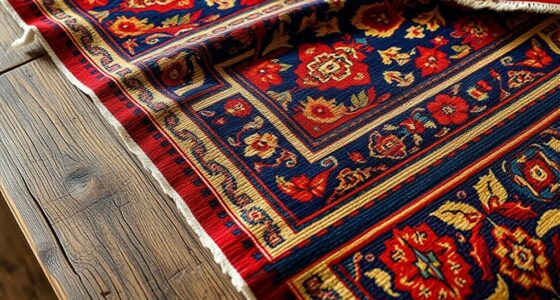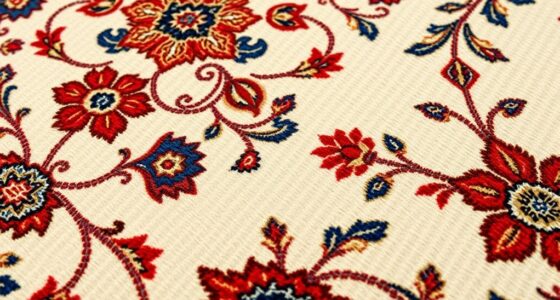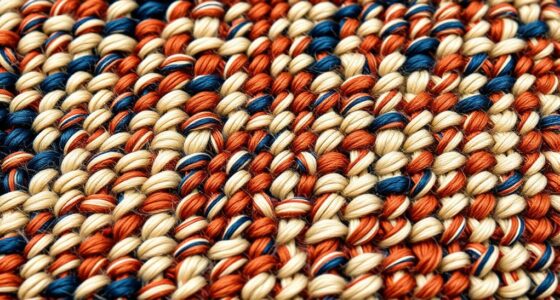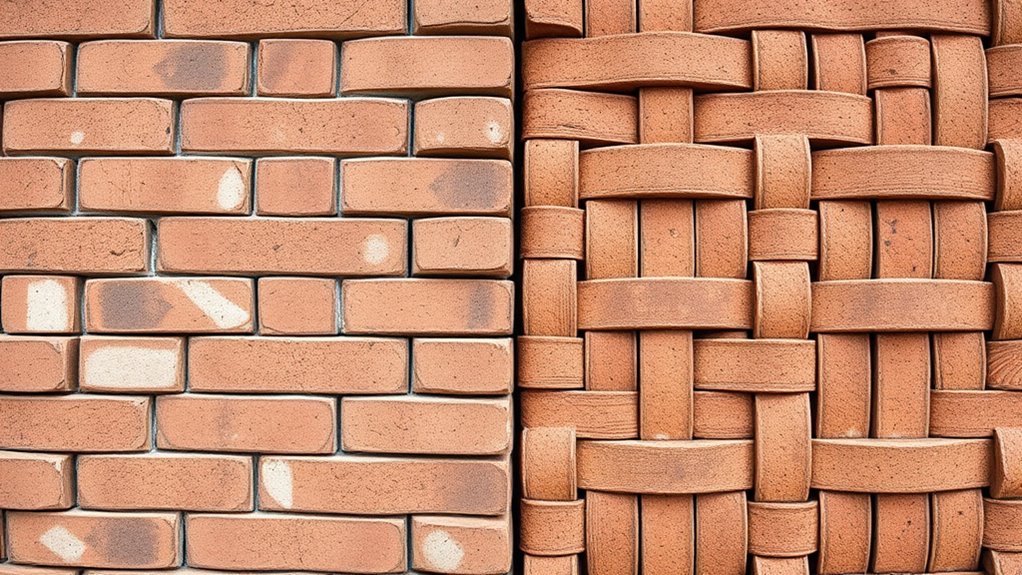

Brick weave and cross weave serve different structural purposes. Brick weave features a staggered, interlocking pattern that provides stability, even load distribution, and good resistance to environmental factors. Cross weave uses crossing elements that add texture and allow for complex designs, often offering better shock absorption and flexibility. Understanding these differences helps determine the best pattern for your project’s strength and aesthetic needs. Continue to explore how these techniques impact durability and design.
Key Takeaways
- Brick weave features a staggered, running bond pattern that provides stability and even load distribution across the structure.
- Cross weave involves intersecting elements forming “X” shapes, creating a textured, complex pattern with dynamic visual interest.
- Brick weave offers high environmental resilience due to its interlocking design, while cross weave better absorbs shocks and movement.
- Load in brick weave is evenly spread downward, whereas cross weave directs forces along crossing points, affecting overall strength.
- The structural integrity of brick weave emphasizes stability and uniformity, while cross weave prioritizes flexibility and intricate craftsmanship.
Overview of Brick Weave and Cross Weave Patterns
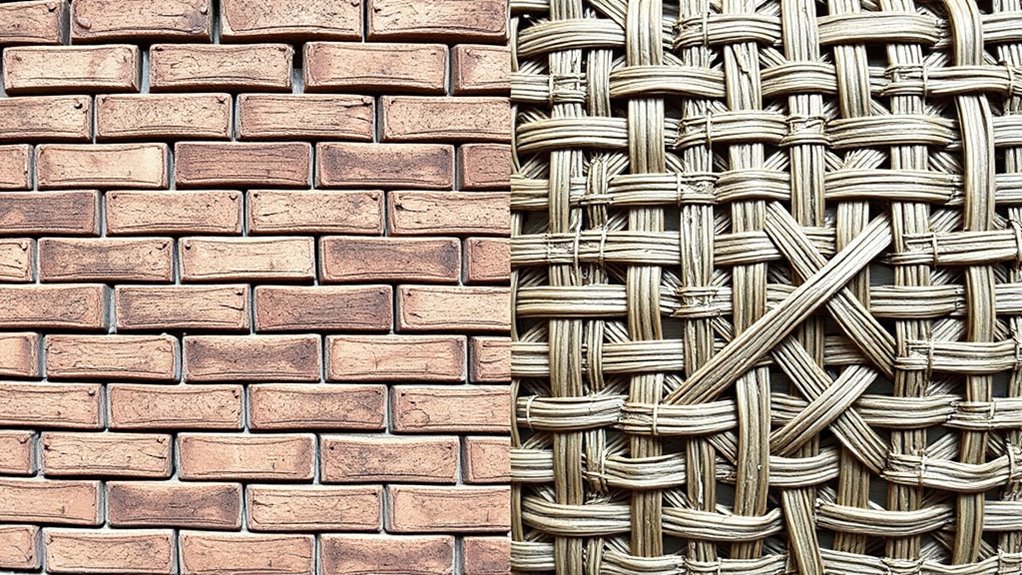
Both brick weave and cross weave are popular patterns used in various crafts like weaving, knitting, and even bricklaying, each offering distinct visual effects and structural qualities. Brick weave features a pattern variation where bricks or yarns are aligned in a staggered, running bond, creating a sturdy, interlocking structure. This arrangement mimics traditional brickwork, providing structural stability and durability in the finished product. The pattern also allows for flexibility in design, making it versatile for different applications. Brick weave’s interlocking nature contributes significantly to its load-bearing capacity, which is why it has been favored in both construction and textile arts. Cross weave, on the other hand, involves crossing elements that form an “X” shape, resulting in a more intricate, textured appearance. The historical significance of these patterns reflects their origins: brick weave has been used in ancient construction for stability, while cross weave has roots in traditional textile designs. Additionally, structural integrity is influenced by the specific weaving or bonding method employed, affecting durability and appearance. Understanding these basic differences helps you appreciate their unique roles and aesthetic appeal across different crafts and applications.
Structural Composition and Arrangement of Bricks
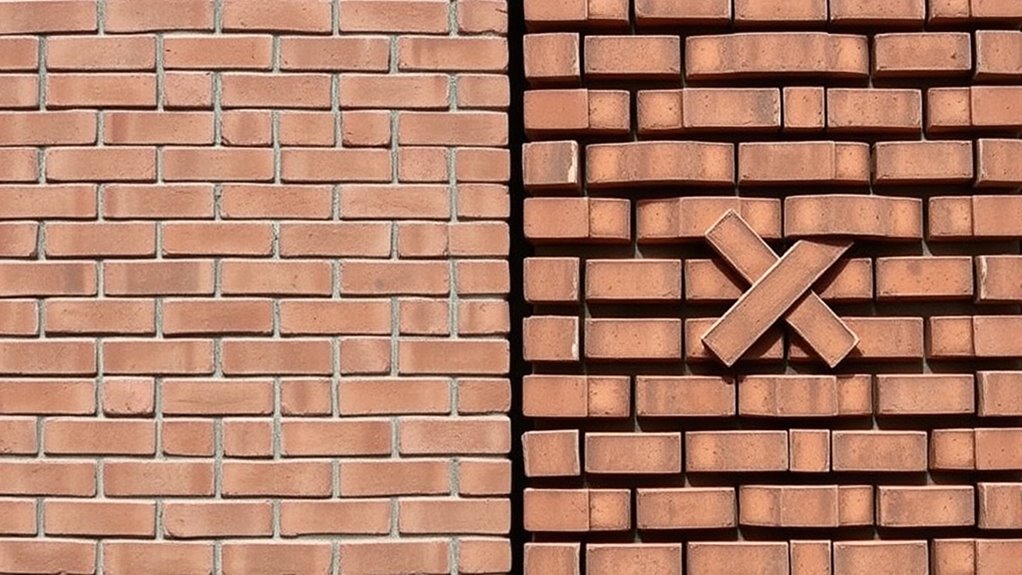
You’ll notice that brick pattern alignment determines how the bricks fit together, affecting the strength and appearance of the wall. Interlocking brick systems create stability by connecting bricks in specific arrangements. Understanding these structural compositions helps you choose the right pattern for your project’s durability and design. Implementing data-driven strategies can further optimize your construction outcomes by analyzing material performance and structural needs. Supporting emotional well-being is also essential when undertaking construction projects, ensuring that stress and challenges are managed effectively. For example, selecting the appropriate brick names can enhance both aesthetic appeal and structural integrity. Additionally, being aware of home improvement principles can facilitate smoother project execution and reduce unforeseen issues.
Brick Pattern Alignment
Brick pattern alignment refers to how individual bricks are arranged to create a stable and visually appealing structure. Your goal is to guarantee joint stability, which prevents shifting or cracking over time. Pattern uniformity plays a key role, as consistent spacing and positioning contribute to strength and aesthetic harmony. When aligning bricks, you must pay attention to how joints align vertically and horizontally, promoting even load distribution. Proper pattern alignment minimizes weak points and enhances overall durability. Whether you choose a running bond or stack bond, maintaining uniform joint widths and consistent pattern sequences is essential. This careful arrangement not only improves structural integrity but also produces a neat, professional appearance that stands the test of time. Additionally, understanding regional building standards can help ensure your brickwork complies with safety and durability requirements. Paying attention to joint placement further ensures the longevity and safety of your brick structure. Incorporating quality materials can significantly impact the overall strength and lifespan of your brickwork, making your structure more resilient to environmental stresses. Considering weather conditions during construction can also influence how well your brickwork withstands environmental stresses over time.
Interlocking Brick Systems
Interlocking brick systems enhance structural stability by carefully arranging individual bricks to fit together tightly and securely. This method maximizes material elasticity, allowing the structure to absorb stresses without cracking or shifting. The precise placement of bricks creates a strong, interconnected network that resists movement, even under pressure. Because the bricks lock into place, construction speed increases, as fewer mortar joints are needed and less time is spent on adjustments. This system also simplifies repairs, since damaged bricks can be replaced without disturbing the entire wall. Overall, interlocking brick systems provide a durable, flexible, and efficient approach to building, making them ideal for projects requiring rapid construction and long-term stability. Incorporating mindfulness techniques into the planning and construction process can foster a more mindful approach, enhancing both the aesthetic appeal and structural integrity of the project.
Load-Bearing Capabilities and Strength Distribution
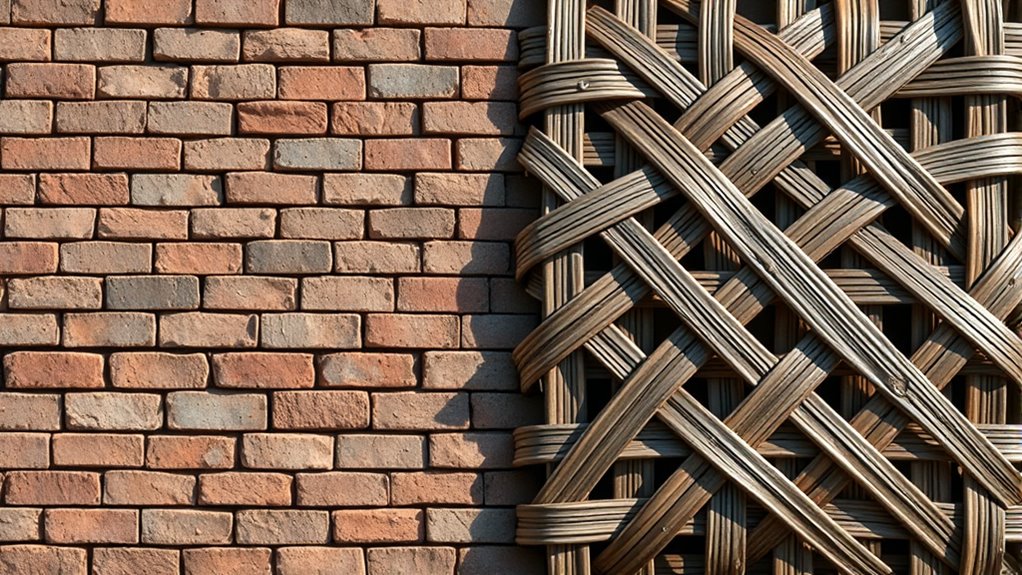
You’ll notice how different weaving patterns influence load distribution, affecting overall stability. Brick weave often spreads weight more evenly, while cross weave directs forces along specific lines. Understanding these patterns helps you evaluate the reinforcement efficiency and how well each method handles stress.
Load Distribution Patterns
Understanding how load distributes across different weave patterns is essential for evaluating their structural integrity and strength. In brick weave, the pattern tends to channel loads directly downward, providing consistent load-bearing capacity and reducing stress concentrations. This distribution enhances thermal insulation by maintaining stable internal temperatures and helps with moisture control, preventing water penetration through even load paths. Proper load distribution is crucial for ensuring the durability and longevity of the structure. Additionally, knowledge of asset division laws can inform how property is allocated, influencing the overall stability of the structure. Recognizing the importance of load management can lead to better architectural designs that optimize safety and performance. Both patterns impact how well the structure manages load, but their unique distribution patterns directly affect durability, thermal performance, and moisture resistance. Moreover, understanding material behavior under different weave patterns can further improve design choices for structural resilience.
Structural Reinforcement Efficiency
The way load is distributed across brick and cross weave patterns directly impacts their ability to reinforce structures effectively. Brick weave offers excellent material flexibility, allowing it to absorb stresses and adapt to shifting loads, enhancing overall strength. Cross weave, on the other hand, provides more uniform strength distribution, making it it is ideal for load-bearing applications. Both patterns influence thermal insulation by affecting air gaps and material density. Consider these points:
- Brick weave’s flexibility improves load redistribution under dynamic forces
- Cross weave ensures consistent strength across the structure
- Material flexibility enhances resilience to stress fractures
- Thermal insulation depends on the pattern’s ability to trap air
- Strength distribution affects overall structural durability and safety
- Legal considerations play a crucial role in selecting appropriate reinforcement patterns during construction projects to ensure compliance and durability.
- Understanding the material properties of each pattern helps optimize their application for specific structural needs.
Choosing the right pattern depends on balancing reinforcement needs with thermal and flexibility considerations.
Techniques Used in Construction and Pattern Formation

Both brick weave and cross weave techniques rely on precise construction methods to create distinct patterns. Your approach determines how material flexibility influences the overall structure, allowing each weave to adapt to different building needs. In brick weaving, you interlace bricks in a staggered pattern, enhancing thermal insulation by minimizing gaps and air leaks. Cross weaving involves overlapping materials at right angles, which helps distribute weight evenly and improves stability. You use specific tools and consistent measurements to guarantee pattern accuracy. Material flexibility plays a key role, especially in cross weaving, where adaptable materials can better conform to complex designs. Understanding construction techniques enables craftsmen to optimize both the aesthetic appeal and functional performance of structures. These techniques focus on pattern formation, emphasizing precision and craftsmanship to achieve both aesthetic appeal and functional performance. Additionally, material properties influence how well each technique performs under different environmental conditions, further affecting the durability of the finished structure. Recognizing the structural differences between these methods allows builders to select the most appropriate technique for their specific project requirements.
Durability and Resistance to External Forces

When evaluating the durability of brick and cross weaves, you’ll find that their ability to withstand external forces depends heavily on their construction methods. Brick weaves typically offer high environmental resilience due to their solid, interlocking structure, resisting weather and physical impacts. Cross weaves, with greater material flexibility, can absorb shocks better, adapting to movement and stress. Factors influencing durability include:
- Material quality and composition
- Flexibility to accommodate shifts
- Resistance to moisture and temperature changes
- Structural integrity under heavy loads
- Adaptability to environmental conditions
Both weave types can perform well when properly constructed, but brick weaves excel in harsh climates, while cross weaves shine in dynamic, shifting environments. Your choice should consider the specific external forces your project will face.
Aesthetic Impact and Visual Characteristics
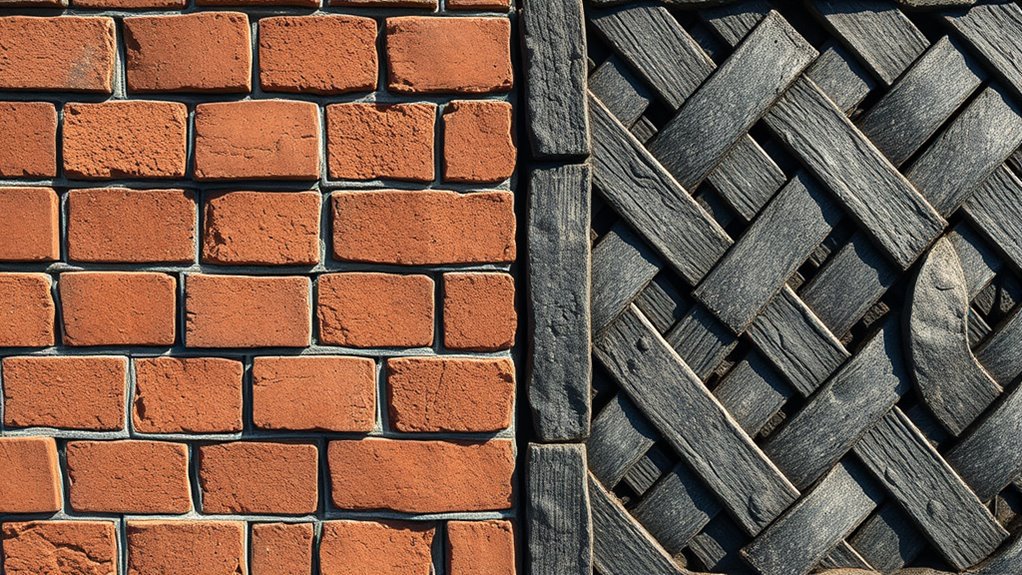
Durability often determines how a weave performs over time, but visual appeal plays a key role in shaping the overall impression of a structure. With brick weave, you’ll notice its consistent, repetitive pattern that emphasizes simplicity and symmetry, creating a clean, organized look. Cross weave, on the other hand, introduces more pattern complexity, resulting in dynamic visual interest. Color variations also influence their aesthetic impact: brick weave tends to feature uniform, muted tones, while cross weave can incorporate contrasting colors that enhance depth and vibrancy. These differences affect how you perceive the structure’s style, whether you prefer the understated elegance of brick weave or the more intricate, lively appearance of cross weave. Ultimately, your choice depends on the visual message you want your structure to convey.
Applications and Suitability for Different Building Types

Brick weave is well-suited for projects that require a clean, orderly appearance, making it ideal for residential facades, commercial buildings, and interior feature walls. Its precise pattern emphasizes architectural symbolism and conveys a sense of stability and professionalism. You’ll find brick weave particularly effective in structures where historical significance matters, as it often evokes traditional craftsmanship. Its uniformity suits modern designs, but it also respects classic aesthetics.
Consider these applications:
- Residential buildings aiming for a timeless look
- Commercial storefronts emphasizing professionalism
- Cultural or historical restorations
- Interior feature walls with a sleek appearance
- Public spaces highlighting heritage and tradition
Maintenance Considerations and Long-Term Performance

Maintaining brick weave requires regular inspections to identify and address issues like cracking, efflorescence, or mortar deterioration before they worsen. You should monitor joint flexibility, ensuring the mortar remains intact and adaptable to movement. Proper mortar maintenance is essential for long-term performance, as damaged mortar can compromise the structure’s stability and appearance. Repointing may be necessary over time to restore joint integrity and prevent water infiltration. Keep an eye on efflorescence, which indicates moisture problems that could weaken the mortar. By addressing these issues early, you extend the lifespan of your brick weave and maintain its aesthetic appeal. Consistent upkeep ensures the structure remains durable, with joints remaining flexible enough to handle natural shifts without cracking or deterioration.
Frequently Asked Questions
How Do Climate Conditions Influence the Choice Between Brick and Cross Weave?
Climate conditions play a key role in your choice between brick and cross weave. If you face high moisture levels, you’ll want a weave that offers better moisture resistance to prevent damage. In colder climates, consider how thermal expansion affects the structure; some weaves handle temperature changes better. Understanding these factors helps you select the most suitable weave for durability and performance, ensuring your construction withstands environmental stresses effectively.
What Are the Cost Differences in Constructing Brick Versus Cross Weave Patterns?
The cost comparison between brick and cross weave patterns can be surprisingly different. You’ll find that brickwork often costs more due to higher material expenses and intricate labor requirements, making it feel like a costly masterpiece. Cross weave, on the other hand, usually demands less labor and materials, reducing overall costs. So, if budget’s a concern, you might lean toward the less labor-intensive cross weave pattern, saving both money and time.
Can These Patterns Be Combined in a Single Structure?
Yes, you can combine brick and cross weave patterns in a single structure. To do this, focus on pattern integration, ensuring that the different weaving styles complement each other aesthetically. You also need to assess structural compatibility, making sure the combined patterns support the overall stability. Proper planning and precise execution allow you to create a visually interesting and structurally sound design that blends these weaving techniques seamlessly.
How Do These Weaves Affect Insulation Properties?
You’ll find that the weave pattern influences thermal performance and moisture resistance. A tighter weave improves insulation by reducing heat transfer, keeping your space warmer. It also enhances moisture resistance, preventing water from penetrating easily. Conversely, looser weaves may allow more airflow and moisture infiltration, affecting insulation negatively. So, choosing the right pattern depends on your climate and insulation needs, directly impacting the building’s overall energy efficiency and durability.
Are There Specific Building Codes Related to Each Weaving Pattern?
Imagine you’re in a medieval castle, wondering if your brick pattern meets today’s standards. Building code variations do exist for different weaving patterns, with pattern-specific standards to guarantee safety and durability. While codes generally don’t specify brick weave types directly, they govern structural integrity, insulation, and fire safety. You should check local regulations and standards to confirm which pattern aligns with current building codes, ensuring your construction is compliant and secure.
Conclusion
Understanding the differences between brick weave and cross weave is like comparing two unique brushstrokes in a masterpiece. You now see how their structural arrangements influence strength, durability, and aesthetics. Choosing the right pattern depends on your building’s needs and style, just as selecting the perfect brushstroke enhances a painting’s harmony. By considering these factors, you guarantee your construction not only stands tall but also ages gracefully, like a fine work of art.