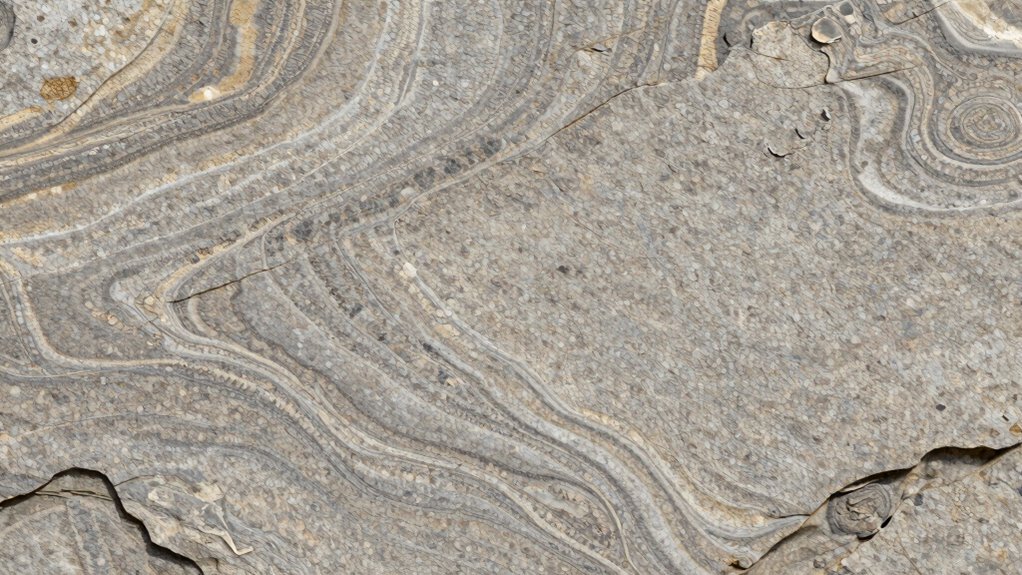

When you see the “natural stone” look, it’s often a mix of real and printed surfaces. Authentic stone shows unique veining, irregular patterns, and tactile depth since it’s quarried directly from the earth. Printed versions mimic these textures with high-resolution images but usually feel smoother and more uniform. To make the best choice, consider durability, maintenance, and aesthetic appeal—if you want to explore more details, keep going to find what’s right for you.
Key Takeaways
- Real natural stone features unique, irregular patterns and tactile depth, while printed versions often appear more uniform and smoother.
- Authentic stone is quarried with natural veining and imperfections, unlike printed surfaces that mimic patterns digitally.
- Natural stone is more durable and long-lasting but requires higher maintenance; printed stone is budget-friendly and easier to care for.
- Advances in printing technology have improved realism, but printed surfaces still lack the natural irregularities of genuine stone.
- Choosing between them depends on aesthetic preferences, budget, durability needs, and maintenance considerations.
What Are Natural Stone Surfaces and Why Do They Matter?

Have you ever wondered what makes natural stone surfaces so popular? It all starts with the quarrying process, where stone quarrying involves extracting large blocks directly from the earth. This method preserves the natural qualities of the stone, giving each piece unique patterns and textures. High-quality materials are essential because they bring authenticity, durability, and timeless appeal to any space. Unlike synthetic alternatives, these surfaces are shaped by nature over millions of years, making them inherently unique. When you choose natural stone, you’re investing in a material that not only looks stunning but also offers longevity and resilience. Understanding the quarrying process helps you appreciate the craftsmanship behind each slab and why natural stone remains a sought-after choice.
How Can You Tell If Your Stone Is Authentic?

Wondering if your stone is authentic? One way to tell is by examining its quarry extraction process. Genuine natural stone comes directly from a quarry, which means its patterns and textures are unique and consistent with natural formation. Check for irregularities or variations in color and veining, as these are typical signs of authentic stone. Surface finishing also offers clues; natural stone often has a matte or honed finish, while printed surfaces tend to look overly uniform or glossy. Feel the texture—real stone usually has a tactile depth, whereas printed surfaces can seem flat or artificial. Ultimately, authentic stone shows natural imperfections that reflect its quarry extraction origin, making it distinguishable from printed imitations. Understanding the natural formation process of stone can further help verify its authenticity.
What Are the Common Types of Printed Stone Surfaces?

Printed stone surfaces come in various types that mimic real stone textures and colors. You’ll notice differences in visual details compared to authentic stone, which can affect their appearance and durability. Considering cost and maintenance is also important when choosing between printed surfaces and real stone. Additionally, understanding green-chemistry principles can help in evaluating environmentally friendly options for surface materials.
Common Printed Stone Types
One of the most popular choices for achieving a natural stone look is using printed stone surfaces, which mimic the appearance of real stone at a fraction of the cost. These surfaces often replicate various stone origins, like granite, marble, and sandstone. Printing techniques, such as high-resolution digital printing, allow for detailed and realistic patterns. The most common printed stone types include marble-look, granite-look, and limestone-look surfaces. These options suit different styles and budgets while maintaining an authentic appearance. The printing process captures intricate details, ensuring the surface closely resembles actual stone. Understanding printing techniques helps in selecting high-quality printed surfaces that convincingly imitate real stone. Whether for countertops, flooring, or wall cladding, these printed surfaces offer versatility and affordability. Here’s a quick overview:
| Stone Type | Key Features |
|---|---|
| Marble | Elegant veining, smooth finish |
| Granite | Speckled patterns, durable |
| Limestone | Soft hues, natural texture |
| Sandstone | Warm tones, textured surface |
Visual Differences From Real Stone
While printed stone surfaces effectively mimic real stone, visual differences can help you distinguish between authentic and digital reproductions. One key difference lies in textural differences; printed surfaces often feel smoother or more uniform, lacking the subtle irregularities of natural stone. Surface patterns in printed versions tend to be repetitive or too perfect, lacking the organic variations found in genuine stone. Real stone exhibits natural imperfections, such as tiny pits, veins, and color gradations, which are often absent or overly uniform in printed surfaces. These subtle cues—like the consistency of the pattern or the tactile feel—are clues that you’re looking at a printed replica rather than authentic stone. Recognizing these differences helps you make informed choices about surface materials, especially when considering free floating designs that integrate natural aesthetics with durability.
Cost and Maintenance Factors
Understanding the cost and maintenance factors of printed stone surfaces is essential when choosing the right material for your project. Printed stone options typically offer lower installation costs compared to natural stone, making them budget-friendly. They also require straightforward cleaning routines, often just needing regular wiping with mild cleaners to maintain their appearance. Here are some common types of printed stone surfaces:
- Vinyl Wallpapers – affordable, easy to clean, but may need replacing over time.
- Laminates – cost-effective, durable, with minimal maintenance needed.
- Printed Tiles – versatile, relatively inexpensive to install, and simple to care for.
Considering these factors helps ensure you select a printed stone surface that balances cost, appearance, and upkeep suited to your needs.
Additionally, understanding the maintenance requirements of each type can help prolong the lifespan and appearance of your chosen surface.
How Do Natural and Printed Stones Compare in Durability?
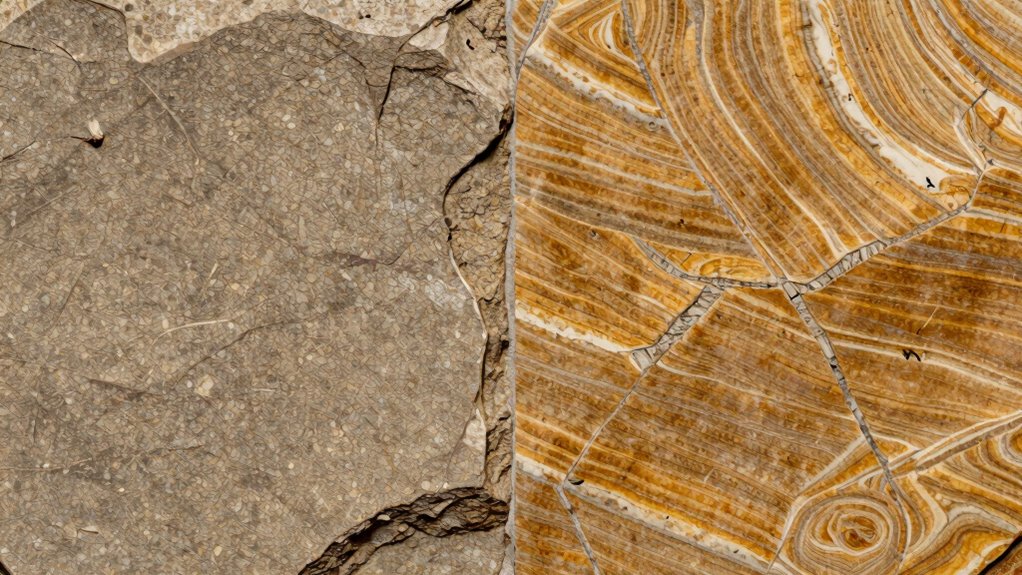
Natural stones are renowned for their durability, often lasting for decades with minimal maintenance. Their resilience depends on proper stone sealing, which protects against stains and weathering. Well-applied surface finishes can also enhance their strength, making them more resistant to scratches and chips. In contrast, printed stones are less durable because they lack the natural mineral composition that grants natural stones their strength. Printed surfaces can be more susceptible to wear, fading, and damage over time, especially if exposed to heavy foot traffic or harsh weather. While printed stones may mimic the look of natural ones initially, they typically won’t match natural stones’ longevity or ability to withstand environmental stresses. Consequently, if durability is a priority, natural stone with appropriate sealing and surface finishes remains the superior choice. Additionally, understanding warranty and maintenance requirements can help ensure the longevity of natural stone installations.
What Are the Cost and Maintenance Differences?
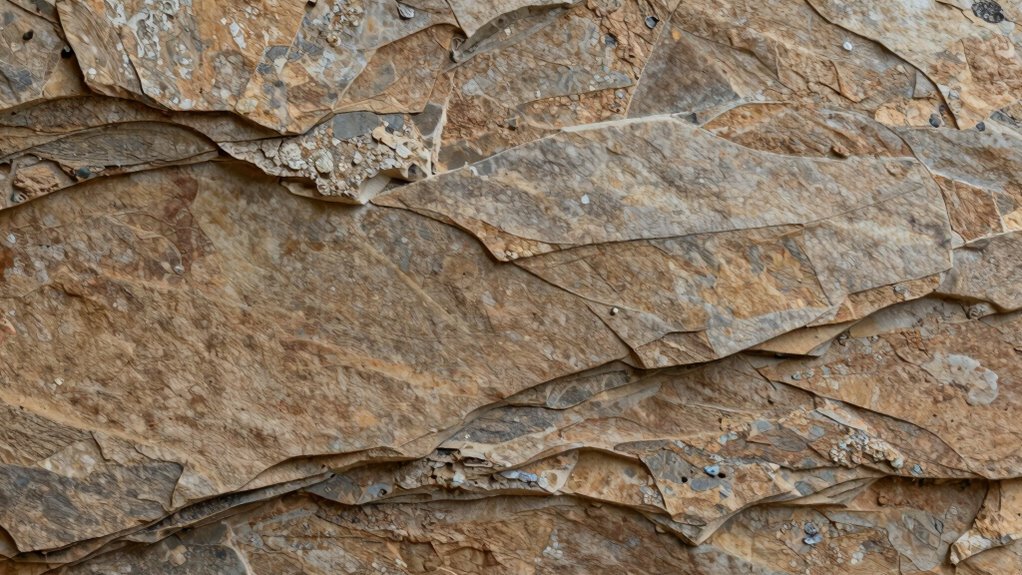
Cost and maintenance requirements vary substantially between natural and printed stones. When contemplating a cost comparison, natural stone typically demands a higher upfront investment but offers durability that can last decades. Printed stones are more budget-friendly initially but may need replacement sooner. Here are three key points to consider:
- Natural stone often requires sealing and special cleaning, increasing ongoing maintenance requirements.
- Printed stones usually need minimal upkeep, making them easier for you to maintain over time.
- Repairs for natural stone can be costly and labor-intensive, while printed stones are easier and cheaper to replace if damaged.
- Understanding the long-term durability of each material can help you make a more informed decision aligned with your maintenance capacity.
Understanding these differences helps you weigh the long-term costs versus initial expenses, ensuring you choose a solution that fits your budget and maintenance preferences.
Which Factors Should Influence Your Choice?

When choosing a natural stone look, you should consider how authentic and appealing it appears to you. Your budget and the ongoing maintenance requirements also play a key role in making the right decision. Balancing these factors will help you select a style that fits both your aesthetic preferences and practical needs. Additionally, understanding home workout routines can help you allocate time and effort efficiently, ensuring your space remains functional and inspiring.
Authenticity and Appearance
Choosing the right stone look involves considering how authentic and realistic it appears, as these qualities can substantially impact your space’s overall aesthetic. When evaluating options, focus on how closely the material mimics real stone in appearance. Here are three factors to contemplate:
- Mineral Composition: Authentic stones vary in mineral content, affecting color and texture. Printed or synthetic options often lack this depth.
- Surface Texture: Real stone has natural irregularities and tactile qualities that printed images struggle to replicate convincingly.
- Stone Quarrying Details: Genuine quarrying introduces subtle imperfections and variations, making authentic stones more believable than uniformly printed surfaces. Additionally, advancements in material realism continue to enhance the visual authenticity of stone-look surfaces, blurring the lines between real and printed.
Cost and Maintenance
Since budget considerations and ease of upkeep play a significant role, it’s essential to evaluate how much a stone look will cost you over time. Real stone options often have higher upfront costs, but their surface longevity can justify the investment. Printed or synthetic alternatives tend to be more affordable initially and require less maintenance, but they may not last as long. When choosing, consider sustainable sourcing—materials that are eco-friendly and responsibly produced can reduce environmental impact and sometimes lower long-term costs. Maintenance varies: natural stone needs sealing and careful cleaning, while printed surfaces are usually easier to care for but may need replacement sooner. Balancing initial expense, ongoing upkeep, and environmental factors will help you select a look that fits your budget and lifestyle.
What Are the Environmental and Aesthetic Benefits of Natural Stone?
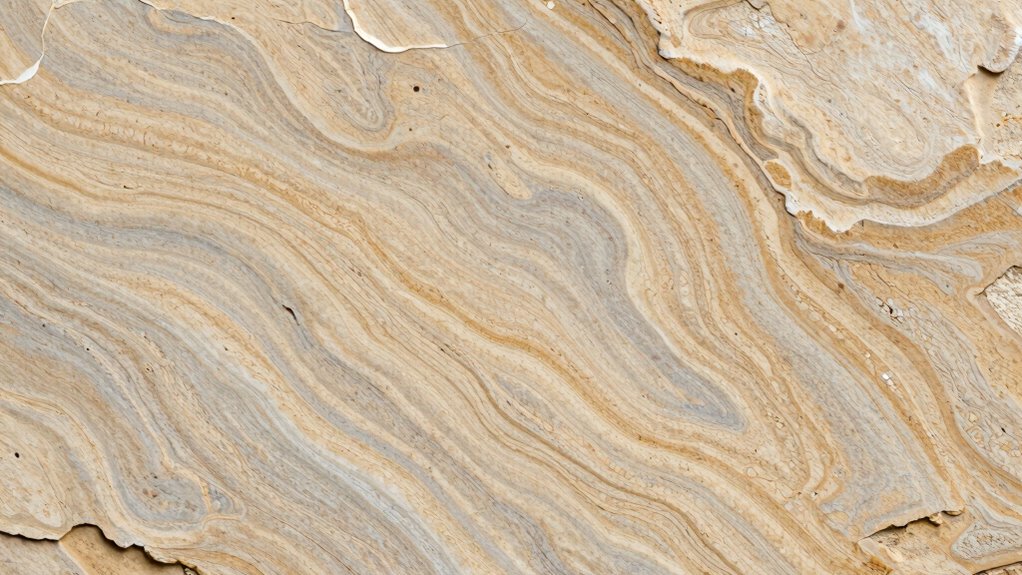
Natural stone offers compelling environmental and aesthetic benefits that make it a popular choice for many projects. Its sustainability benefits include durability and natural sourcing, reducing the need for frequent replacements. Its aesthetic appeal adds timeless beauty to any space, blending seamlessly with various design styles. Here are three key advantages:
- Eco-friendly sourcing – Natural stone is mined responsibly, minimizing environmental impact.
- Longevity – Its durability means fewer replacements, conserving resources over time.
- Unique beauty – Each piece features natural patterns and colors, providing an authentic, elegant look.
How Do You Decide Between Real and Printed Stone for Your Home?
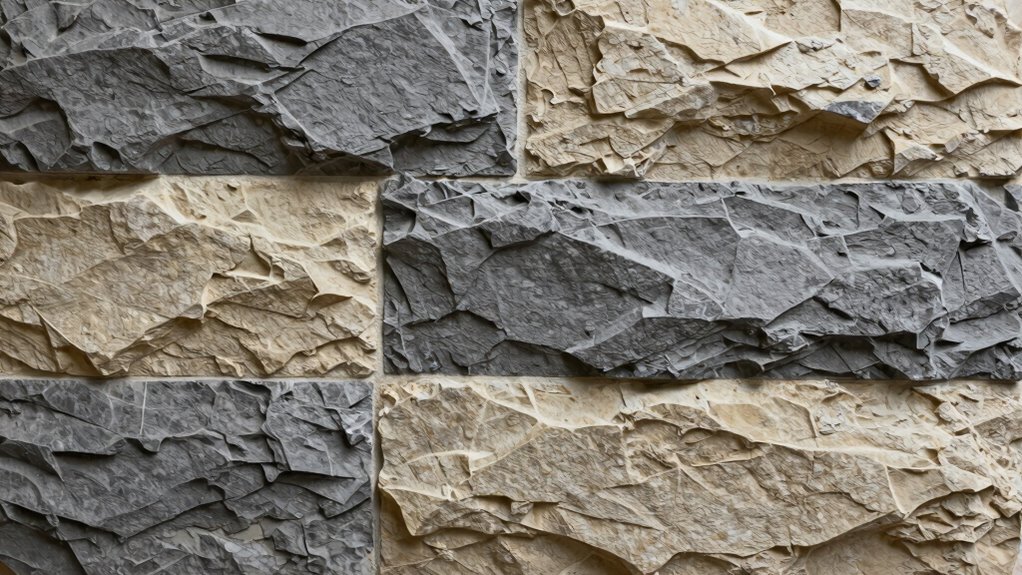
Deciding between real and printed stone depends on your priorities for appearance, budget, and maintenance. If you want authentic texture and durability, real stone is ideal but requires more maintenance tips and a professional installation. Printed stone offers a cost-effective, lightweight alternative with easier installation methods, making it perfect for DIY projects. Consider these factors:
| Aspect | Real Stone | Printed Stone |
|---|---|---|
| Maintenance Tips | Regular sealing needed | Minimal upkeep, clean easily |
| Installation Methods | Heavy, professional installation | Lightweight, simple DIY options |
| Appearance | Unique, natural variations | Consistent, printed pattern |
| Cost | Higher upfront investment | Budget-friendly |
Choose based on your lifestyle, aesthetic preferences, and willingness to maintain.
Frequently Asked Questions
How Can I Identify High-Quality Printed Stone Surfaces?
You can identify high-quality printed stone surfaces by inspecting the texture variation and surface finish closely. High-quality prints mimic natural stone’s subtle differences, so look for consistent yet varied textures that feel authentic to the touch. Check for a smooth, even surface finish without visible pixelation or pattern repetition. Good printed surfaces also have a matte or semi-gloss finish that resembles real stone, indicating careful craftsmanship.
Are There Health Concerns With Natural Versus Printed Stones?
Think of natural and printed stones as different forests—one pristine, one man-made. Natural stones generally pose fewer allergen concerns and have less environmental impact when sourced responsibly. Printed stones might contain chemicals or dyes that trigger allergies or pose environmental issues if not eco-certified. So, you should consider both health and environmental impacts when choosing, ensuring your space stays safe and eco-friendly.
Can Printed Stone Surfaces Be Customized to Match Natural Stones?
Yes, printed stone surfaces can be customized to match natural stones, offering you great design flexibility. You can choose from a variety of patterns, colors, and textures to replicate the look of real stone precisely. Plus, printed materials often boast higher material durability, making them resistant to scratches and stains. This combination allows you to achieve the aesthetic you want without compromising on longevity or maintenance, giving you the best of both worlds.
What Are the Best Maintenance Practices for Printed Stone Surfaces?
Like tending a delicate garden, you should follow proper cleaning protocols and sealing techniques to keep printed stone surfaces looking fresh. Use gentle, pH-neutral cleaners to avoid damage, and regularly seal the surface to protect against stains and moisture. Avoid abrasive scrubbers, and wipe spills promptly. These practices guarantee your printed stone stays vibrant, just as a well-cared-for garden flourishes under attentive care.
How Long Does Natural Stone Typically Last Compared to Printed Options?
Natural stone generally lasts longer than printed options, with durability comparison showing it can endure decades if properly cared for. Factors influencing lifespan include the stone’s porosity, installation quality, and maintenance routine. You’ll find natural stone resists scratches and stains better over time, making it a more durable choice for high-traffic areas. Printed surfaces may look authentic but typically require more frequent replacements due to wear and fading.
Conclusion
As you stand in your kitchen, sunlight catches the subtle veins of genuine stone, reminding you of nature’s artistry. Whether you choose authentic or printed, your decision shapes the space’s character and durability. Sometimes, a glance at your countertop reveals a coincidence—perhaps a pattern that mimics nature so perfectly it feels like it was meant to be. Ultimately, trusting your instincts will help you create a space that feels both beautiful and true to you.