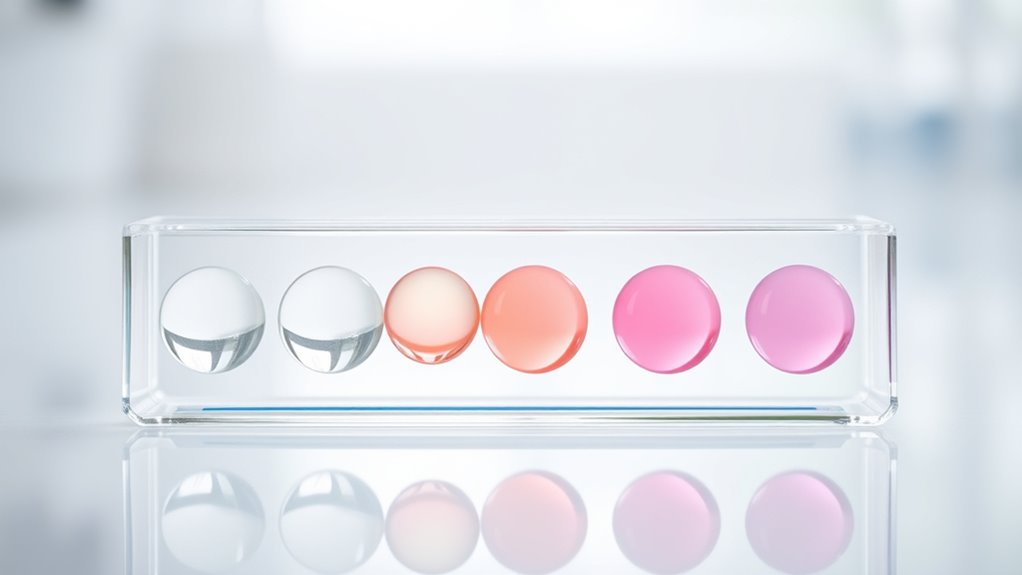

To safely test cleaning products, use a simple five-drop spot-testing method. Gather supplies like a dropper, a clean cloth, gloves, and the cleaner you want to evaluate. Choose a small, hidden surface and apply five drops carefully, observing for any discoloration, bubbling, or damage. This quick, controlled test helps you prevent damage and choose effective, eco-friendly cleaners. Keep exploring to learn more about ensuring your surfaces stay safe and clean.
Key Takeaways
- Use a dropper to apply five small, evenly spaced drops of cleaner on an inconspicuous surface area.
- Observe for reactions like discoloration, bubbling, or staining to assess cleaner safety.
- Clean the test spot beforehand to ensure accurate results and prevent interference.
- Record and compare test outcomes to select the safest and most effective cleaning product.
- Discontinue use immediately if negative reactions occur to prevent surface damage or health risks.
Understanding the Importance of Spot-Testing
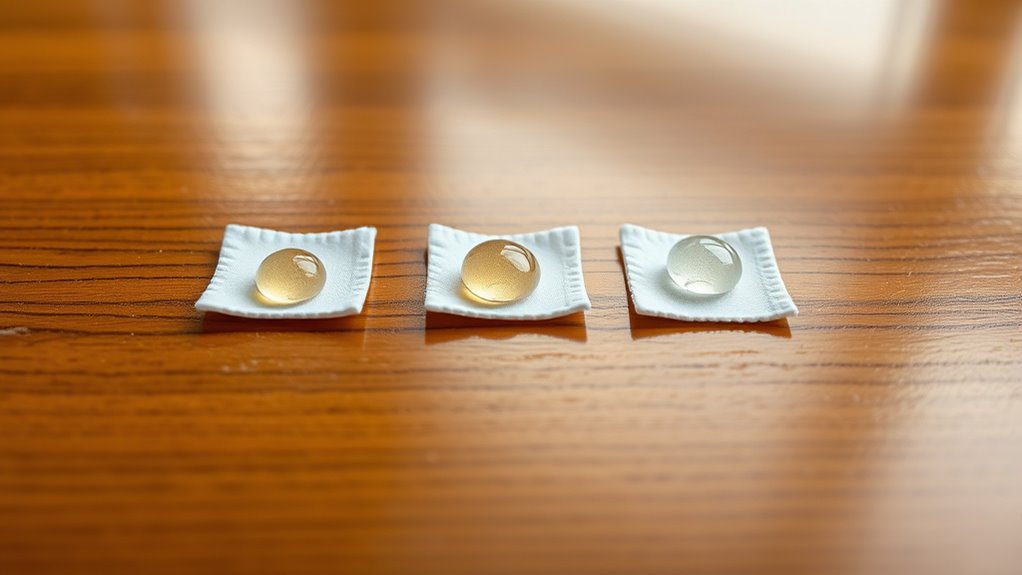
Understanding the importance of spot-testing is essential before using any cleaner on a surface. You need to see how the cleaner interacts with the material to prevent unwanted outcomes. Chemical reactions can cause discoloration, damage, or deterioration if the cleaner isn’t compatible. Surface compatibility varies depending on the material—what works on ceramic might harm wood or fabric. Spot-testing allows you to observe any adverse reactions in a small, inconspicuous area first. This simple step saves you from costly mistakes and preserves the integrity of your surfaces. Additionally, understanding material sensitivities helps you choose the appropriate cleaning products and methods. Conducting a test of compatibility is a crucial part of safe cleaning practices. For example, using a cleaner compatible with delicate surfaces can prevent damage during cleaning. Knowing the proper cleaning techniques can further enhance safety and effectiveness. By understanding the potential for chemical reactions and ensuring surface compatibility, you protect your surfaces and achieve safer, more effective cleaning results. Always prioritize spot-testing before proceeding with full application.
Gathering Your Supplies and Preparing the Test Area
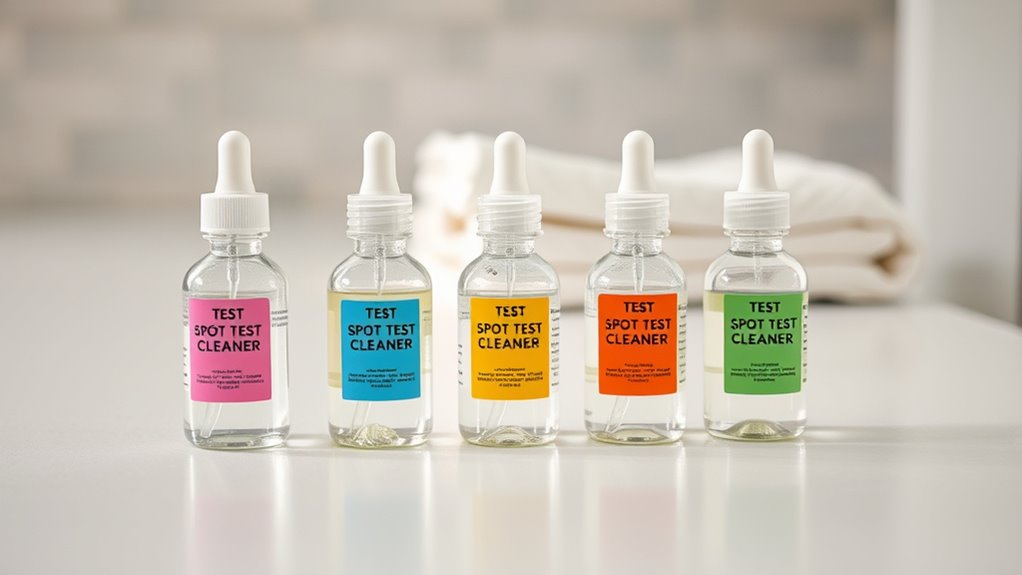
Before you start spot-testing cleaners, gather all the supplies you’ll need and prepare the test area. This step guarantees surface compatibility and chemical safety. First, collect a clean cloth, a small dropper or applicator, the cleaner you want to test, and gloves for protection. Second, choose a discreet area to avoid damage or visible marks. Third, ensure proper ventilation in the space to prevent inhaling fumes. Fourth, clean the surface with a gentle cleaner to remove dirt and oils, creating an accurate test. Preparing your supplies and test area minimizes risks and helps you observe how the cleaner interacts with the surface. Additionally, understanding the specific properties of the cleaner, such as its exfoliating capabilities, can inform your testing approach and expected outcomes. Being aware of the gelato flavor variety can also help you select appropriate cleaning products for different surfaces. Considering the surface material is essential to prevent damage during testing. Recognizing the importance of GMC tuning techniques can guide you in choosing cleaners that won’t interfere with vehicle finishes. Taking these simple steps ensures your testing process is safe, controlled, and reliable.
Applying the Five-Drop Test Method

Applying the Five-Drop Test Method by placing five small drops of the cleaner onto the prepared area. This approach guarantees spot test safety, preventing excessive exposure or damage. Use a dropper or pipette to control the amount of cleaning solution you apply, aiming for uniform, tiny drops. Carefully space the drops to avoid spreading and overlapping. This precise application helps you evaluate the cleaner’s effect without risking harm to the surface. Choosing the right cleaning solution is essential; the five-drop method allows you to test multiple products without waste. Keep your testing area clean and dry between steps, ensuring that your spot test safety remains intact throughout the process. Additionally, understanding the properties of Mazda Tuning can guide you in selecting appropriate cleaning products that do not harm specialized interior or exterior finishes. Being aware of surface compatibility is crucial to prevent unintended damage during testing and aligns with sustainable cleaning practices that prioritize environmentally friendly solutions. Incorporating knowledge about home furnishings safety and maintenance can further ensure that your cleaning methods are both effective and protective of your belongings.
Interpreting the Results and Making Adjustments

Once you’ve applied the five-drop test, examine the surface carefully to interpret how the cleaner has interacted with it. Look for signs of chemical reactions, such as color changes, bubbling, or removal of stain areas. Proper interpretation helps in stain identification and choosing the right next steps. Consider these points:
- If the surface shows no change, the cleaner may be ineffective for that stain type.
- A color shift or fizzing indicates a chemical reaction, suggesting the cleaner is reacting with specific stain components.
- Complete stain removal or fading signals the cleaner is effective; adjust concentration if necessary.
- Persistent stains or adverse reactions mean you should try a different cleaner or treatment method.
- Understanding industry trends can help you select more effective and safer cleaning solutions.
- Staying informed about advancements in cleaning technology can lead to better results and safer practices.
- Incorporating self-watering plant pots in your gardening routine can reduce watering stress and promote healthier plants.
- Awareness of AI in entertainment illustrates how emerging technologies are transforming various industries, including home care and cleaning tools.
Accurate interpretation guides effective adjustments, ensuring safer, more targeted cleaning without damaging surfaces.
Tips for Safe and Effective Cleaning Practices
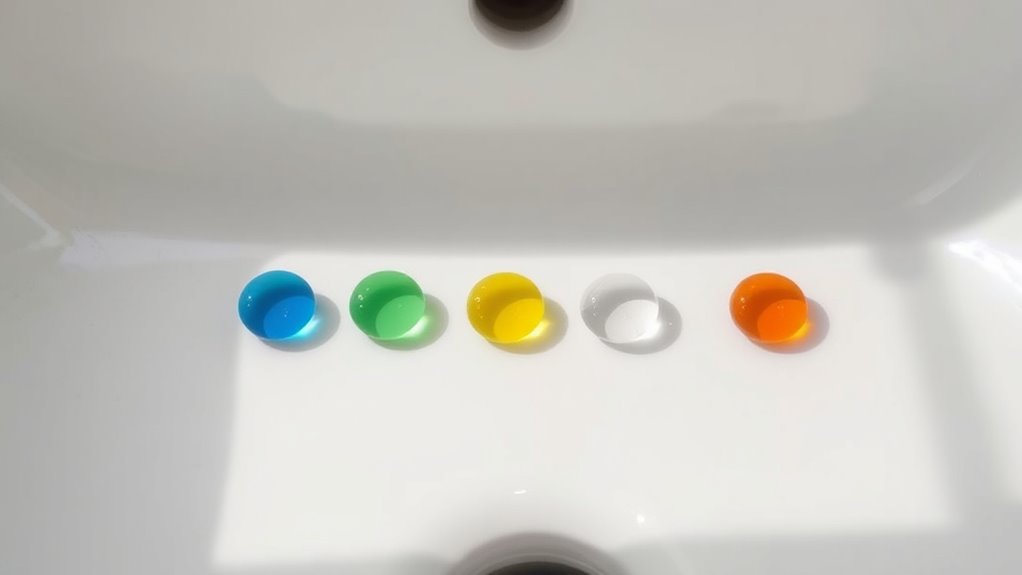
Practicing safe and effective cleaning begins with understanding the materials and surfaces you’re working with. Be mindful of chemical sensitivities, both yours and others’. Use minimal amounts of cleaner—like the five-drop method—to reduce potential reactions. Always check labels for environmental impact to choose eco-friendly options. Proper ventilation helps disperse fumes, promoting safety. Store cleaners out of children’s reach and label them clearly. To enhance your routine, consider this table:
| Tip | Explanation |
|---|---|
| Test first | Use spot tests to prevent damage or reactions |
| Use sparingly | Reduce chemical exposure and environmental impact |
| Ventilate | Ensure good airflow during cleaning |
| Choose eco-friendly options | Selecting environmentally safe cleaners minimizes health and environmental risks |
| Understand surface materials | Knowing the materials helps prevent surface damage and ensures compatibility with cleaning agents |
Additionally, leveraging automation in your cleaning routines can optimize efficiency and safety. Being aware of chemical sensitivities helps tailor your cleaning practices to avoid adverse reactions. Following these tips helps you stay safe, protect sensitive individuals, and minimize environmental harm.
Frequently Asked Questions
Can Spot-Testing Be Used on All Types of Surfaces?
Spot-testing isn’t suitable for all surfaces because material compatibility and surface sensitivity vary. You might damage delicate or porous surfaces if the cleaner reacts poorly or causes discoloration. Always check the manufacturer’s recommendations and perform a small test in an inconspicuous area first. This way, you avoid potential damage, ensuring the cleaner is safe to use on the specific surface without risking harm.
How Long Should I Wait to See Results After Testing?
Timing expectations are key; patience is your best friend here. You should typically see visual cues within 30 seconds to a minute after applying the test. This window lets you observe any discoloration or changes, acting as a signal for whether the cleaner is safe. Remember, if no change appears, give it a little more time—sometimes, reactions take a moment to reveal themselves.
Are There Any Materials That Should Never Be Tested With This Method?
You should avoid testing hazardous materials or sensitive surfaces with this method. Testing on delicate materials like silk, leather, or antique finishes can cause damage. Hazardous substances might react unpredictably, risking exposure or deterioration. Always research your surface and cleaner beforehand. If unsure, consult the manufacturer’s guidelines or perform a small test in an inconspicuous area to prevent unintended harm or hazardous reactions during spot testing.
What Should I Do if the Test Shows a Negative Reaction?
If you see a negative reaction during testing, don’t panic. Stop using the cleaner immediately and rinse the area with water. For alternative cleaning, choose a different product suited to the material, and perform another spot test if needed. A negative reaction indicates the cleaner isn’t compatible, so always opt for safer, recommended alternatives to prevent damage or harm.
Is This Method Effective for Testing Homemade or Natural Cleaning Solutions?
You might wonder if the five-drop spot-testing method works for natural solutions or homemade effectiveness. It can be somewhat effective, but natural solutions often have unpredictable ingredients that may not react the same way as commercial cleaners. To guarantee safety, test small amounts first and observe reactions carefully. Keep in mind that this method provides a basic indication, but for thorough results, consider more exhaustive testing for homemade or natural cleaning solutions.
Conclusion
By mastering the five-drop spot-testing method, you guarantee your cleaning products are safe for your surfaces. For instance, imagine testing a new hardwood cleaner; a quick spot test could prevent damage before full application. Always interpret results carefully, adjusting your approach as needed. This simple step protects your belongings and keeps your environment safe, giving you confidence in your cleaning routine. Remember, a little caution goes a long way in achieving effective, damage-free cleanliness.