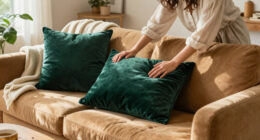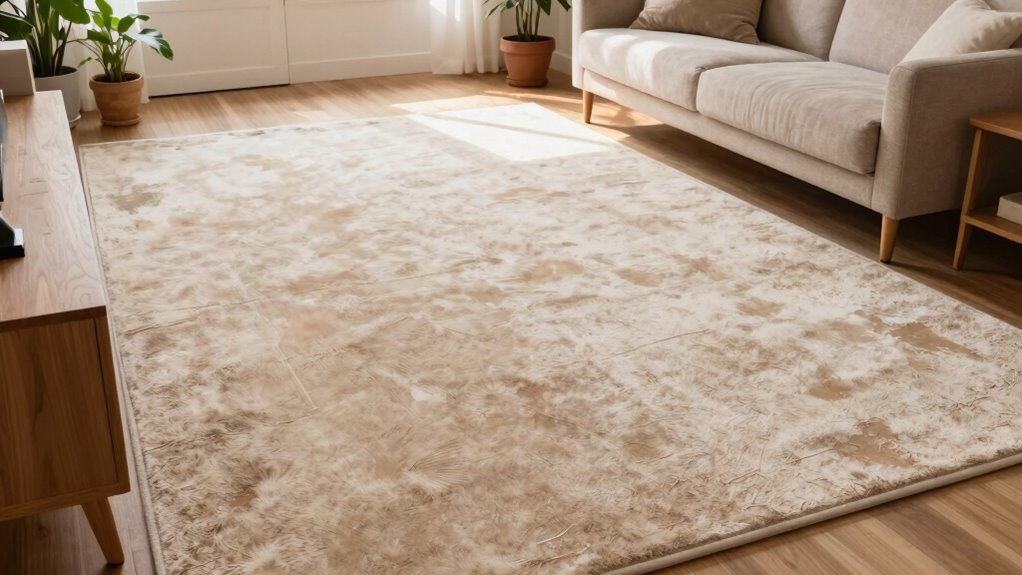
To reduce wear paths in busy rooms, strategically arrange your furniture to encourage natural movement and avoid constantly walking over the same spots. Use rugs to define areas and guide foot traffic, placing them along high-traffic routes or adding runners to divert wear. Protect floors with felt pads and place furniture on rugs to prevent damage. Regularly monitor and adjust your layout to keep wear even, helping your floors stay looking fresh longer. Keep exploring for more helpful tips.

Get furniture and decor delivered free with Prime
- Fast, free delivery on millions of items
- Prime Video, Amazon Music and more included
- Member-only deals all year
Key Takeaways
- Arrange furniture to create natural walking routes that minimize repeated traffic over the same areas.
- Use strategically placed rugs to define spaces and divert foot traffic away from high-wear spots.
- Place furniture on rugs with protective pads to prevent scratches and uneven wear on flooring.
- Regularly monitor and rotate rugs to distribute wear evenly and extend their lifespan.
- Incorporate additional rugs or runners along heavily trafficked pathways to reduce direct impact on floors.

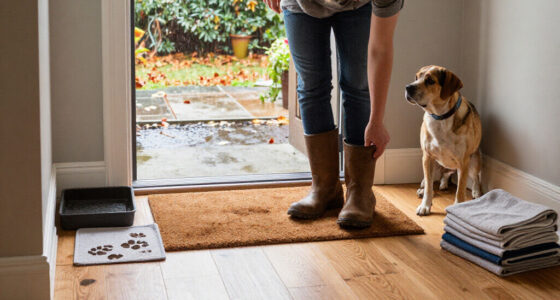
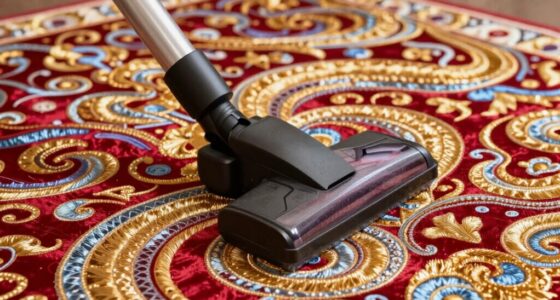
Have you ever noticed worn paths forming in your busiest rooms? Those little trails, often worn into the flooring or carpet, are signs of high foot traffic that can quickly wear down your space’s appearance. To combat this, start by paying attention to furniture placement. Position your furniture thoughtfully to create natural walking routes that minimize repeated traffic over the same spots. For example, keep larger pieces like sofas and armchairs arranged to encourage movement around them rather than directly through the center of the room. This way, you reduce the constant pressure on specific areas, preventing early wear and tear. Use rugs strategically to define spaces and guide foot traffic. Rugs not only add style but serve as protective barriers, absorbing the impact of daily use. When selecting a rug, opt for durable materials like wool or synthetic fibers designed for high traffic. Make sure the rug’s size is appropriate—large enough to cover the main walking paths but not so big that it overcrowds the room. A well-chosen rug can distribute foot traffic more evenly, preventing concentrated wear in one spot.
Additionally, think about how you place your furniture in relation to your rugs. Setting up furniture on top of rugs provides extra protection, keeping the flooring underneath in better condition for longer. Use furniture with sturdy legs that can sit securely on rugs without causing uneven wear or damage. When arranging your furniture, leave enough space for easy movement; tight configurations can encourage people to walk over the same areas repeatedly, accelerating wear. Incorporate additional protective elements like felt pads under furniture legs to prevent scratches and indentations that can worsen over time. Recognizing wear patterns early can help you adjust your layout and protect your flooring more effectively. Regularly rotating or flipping rugs can also help distribute wear more evenly across their surface, prolonging their lifespan. Keep your high-traffic areas clean and free of debris, which can cause additional damage when ground into carpets or flooring. Using protective accessories like rug pads and furniture coasters can further help prevent unnecessary damage. Additionally, selecting flooring materials with high durability can significantly reduce the rate of wear in frequently used rooms. Furthermore, choosing the right flooring material for your space can significantly influence the rate of wear, especially in frequently used rooms. If you notice specific pathways becoming heavily worn, consider adding a second rug or a runner along those routes to divert foot traffic and preserve your main flooring. Ultimately, combining smart furniture placement with thoughtful rug selection creates a balanced environment where foot traffic is naturally directed, reducing the impact on any single area. This approach not only extends the life of your flooring but also keeps your rooms looking fresh and inviting, even with daily use.
Products Worth Considering

Samsung 48 4K OLED Smart TV (2026) with WireLogic 8ft Ultra High Speed HDMI Cable

Google Nest Cam Indoor/Outdoor Battery Security Camera

Shark Rotator Lift-Away Upright Vacuum with DuoClean PowerFins, Wine Purple, LA702
As an affiliate, we earn on qualifying purchases.
Frequently Asked Questions
What Are the Best Materials to Prevent Wear in High-Traffic Areas?
You should choose durable materials tested for high traffic, like porcelain tiles, luxury vinyl planks, or engineered hardwoods, which excel in durability testing. Compare these materials’ resilience to scratches, dents, and wear to find the best fit for your space. Porcelain tiles are especially resistant, while vinyl offers flexibility and easy maintenance. Opting for these high-performance options helps prevent wear paths and keeps your floors looking new longer.
How Often Should I Replace Worn Flooring or Rugs?
You should replace worn flooring or rugs when signs of significant damage or thinning appear, which varies based on material durability. Regular maintenance schedules help you catch issues early, typically every 3-5 years for rugs and every 10-15 years for flooring, depending on foot traffic. If you notice fraying, tears, or uneven wear, it’s time for a replacement, preventing further damage and maintaining your space’s appeal.
Can Furniture Placement Reduce Wear on Floors?
Yes, furniture arrangement can reduce wear on floors by guiding traffic flow away from high-traffic areas. By strategically placing sofas, tables, and chairs, you encourage people to walk along designated paths, minimizing unnecessary foot traffic on vulnerable spots. Rearrange furniture periodically to prevent constant wear in the same areas. This approach helps preserve your flooring and maintains a tidy, well-organized look, ultimately extending the lifespan of your floors.
Are There DIY Solutions for Repairing Wear Paths?
Think of wear paths as stories your floor tells—stories you can rewrite. You can explore alternative repair techniques like applying epoxy or using furniture pads to protect high-traffic areas. DIY reinforcement methods, such as sealing scratches with wood filler or adding rugs, help restore and strengthen floors. These solutions empower you to extend your flooring’s life, turning wear into a tribute to your care and effort.
How Do Lighting and Color Choices Affect Foot Traffic?
Lighting effects and color choices influence foot traffic by guiding movement and setting moods. Bright, warm colors attract attention and encourage people to linger, increasing wear paths, while cooler, muted tones create a calming atmosphere that discourages prolonged visits. Using strategic lighting, like spotlights or pathway lights, can direct foot traffic along desired routes, helping to manage wear and preserve flooring in busy rooms.
Conclusion
To keep your frequently used rooms looking fresh, consider strategic furniture placement and durable flooring options. Regularly rotating rugs and adding rugs in high-traffic areas can also help protect your floors. Did you know that high-traffic areas can experience wear up to 60% faster than other parts of a home? By taking these simple steps, you’ll extend the life of your floors and maintain a welcoming, well-kept space for years to come.