When choosing a rug, understanding materials like wool, silk, cotton, and synthetics helps you pick the right fit. Wool is durable, resilient, and absorbs dyes well, offering vibrant colors for high-traffic areas. Silk provides a luxurious sheen but is less tough. Cotton is soft and affordable but fades faster. Synthetic fibers are engineered for lasting color and durability. Keep exploring, and you’ll discover how each material’s unique qualities can suit your style and needs.
Key Takeaways
- Wool is highly durable, resilient, and ideal for high-traffic areas due to its ability to bounce back after compression.
- Silk offers a luxurious sheen and smooth texture but is less durable, making it better suited for decorative or low-traffic rugs.
- Cotton provides a soft, affordable option with moderate durability, requiring careful maintenance to preserve vibrant colors.
- Synthetic fibers are engineered for enhanced durability, stain resistance, and vibrant, long-lasting colors through advanced dyeing techniques.
- Dye absorption varies by fiber type; wool and silk achieve rich, vibrant hues, while synthetic fibers use modern methods for fade resistance.
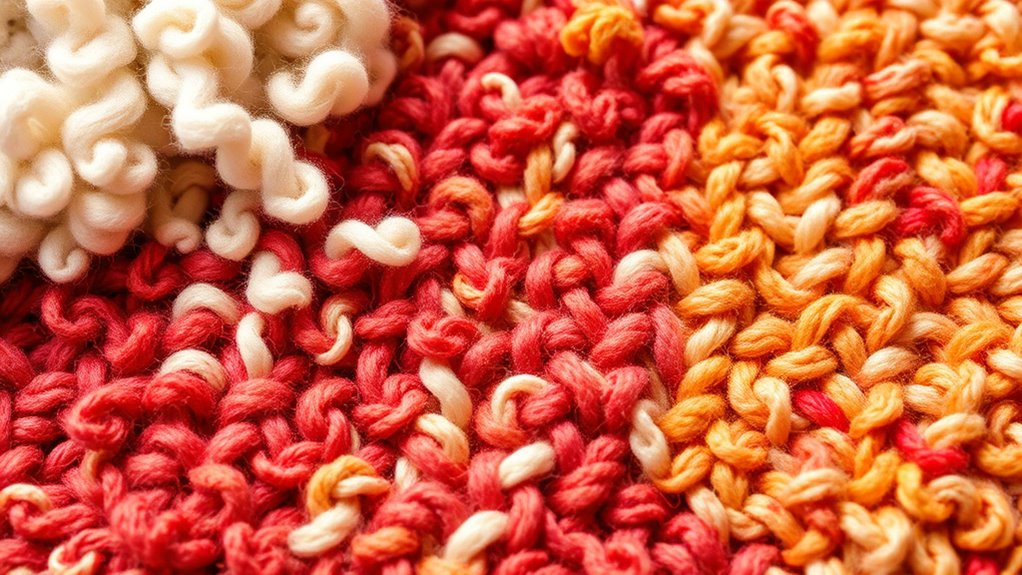
Ever wondered what materials make up the world around you? When it comes to rugs, understanding the fibers used can help you choose the right one for your space. Wool, silk, cotton, and synthetic fibers each bring unique qualities, especially when it comes to fiber durability and dye absorption techniques. Knowing how these factors play a role can make a big difference in your buying decision.
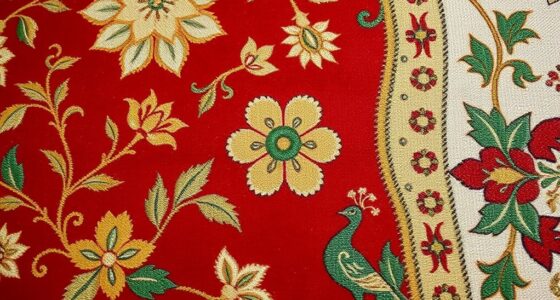
Starting with wool, it’s one of the most popular natural fibers because of its exceptional fiber durability. Wool is naturally resilient, able to withstand everyday wear and tear without easily showing signs of damage. Its fiber structure allows it to bounce back after compression or foot traffic, making it ideal for high-traffic areas. Wool also absorbs dyes very well due to its cuticle structure, which contains scales that trap dye molecules effectively. This means vibrant, rich colors can be achieved through various dye absorption techniques, resulting in rugs that are both durable and visually appealing. The dyeing process for wool often involves techniques like immersion dyeing or piece dyeing, which ensure deep, long-lasting color that resists fading over time.
Wool’s resilient fibers and excellent dye absorption ensure durable, vibrant, and long-lasting rugs.
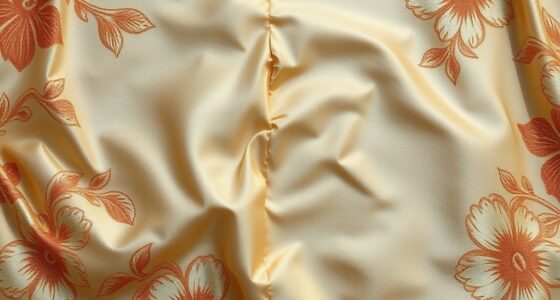
Silk, on the other hand, is prized for its luxurious sheen and smooth texture. While silk has a delicate appearance, it is surprisingly strong—though its fiber durability isn’t quite at the same level as wool. Silk’s fine fibers can be more susceptible to wear and tear, especially in high-traffic areas. Its ability to absorb dye is outstanding, thanks to its protein-based structure, which readily takes in dyes using advanced dye absorption techniques like vat or acid dyeing. These methods allow for a broad spectrum of vibrant, lustrous colors that highlight silk’s natural sheen, making it a favorite for decorative rugs rather than everyday use.
Cotton offers a softer, more affordable option. Its fiber durability is moderate; it can withstand regular use, but it’s more prone to wear and fading compared to wool or silk. Cotton’s porous nature makes it highly receptive to dyes, so it absorbs color quickly through simple dyeing methods like immersion or direct dyeing. This ease of dye absorption allows for bright, vivid hues, although cotton rugs might require more careful maintenance to keep their colors fresh and vibrant over time.
Synthetic fibers such as nylon, polyester, and polypropylene are engineered for enhanced durability. They excel in fiber durability, resisting stains, moisture, and heavy use. Their dye absorption techniques are often optimized through modern manufacturing processes, resulting in vibrant, long-lasting colors. These fibers tend to hold dye excellently, which helps rugs stay looking new longer, even in challenging environments. Additionally, synthetic fibers are often manufactured with colorfastness in mind, ensuring that dyes penetrate deeply and resist fading from sunlight or cleaning.
In the end, understanding how fiber durability and dye absorption techniques influence rug fibers helps you select a material that matches your lifestyle, aesthetic, and maintenance preferences.

Scotch Felt Pads 162 PCS Beige, Felt Furniture Pads for Protecting Hardwood Floors, Round, Assorted Sizes Value Pack, Self-Stick design, Protecting from nicks, dents and scratches (SP845-NA)
- Suitable for Various Furniture: Protects chair legs, tables, and decor
- Easy to Install: Peel and stick self-adhesive design
- Protects Hard Surfaces: Safeguards hardwood, tile, laminate, vinyl
As an affiliate, we earn on qualifying purchases.
Frequently Asked Questions
How Do I Identify the Fiber Content of My Rug?
To identify your rug’s fiber content, start by checking any fiber identification methods like a label or tag on the rug, which often lists the materials used. If there’s no label, you can perform a burn test carefully—wool smells like burning hair, synthetic fibers melt, and cotton burns like paper. For more accurate results, consider consulting a professional or using specialized testing kits to confirm the fiber content.
Are Synthetic Fibers Eco-Friendly and Biodegradable?
Synthetic fibers aren’t typically eco-friendly or biodegradable, but they do offer benefits like durability and stain resistance. However, their environmental impact is significant because they’re made from non-renewable resources and can take hundreds of years to break down. If you’re concerned about sustainability, consider rugs made from natural fibers. While synthetic fibers last longer, their environmental footprint is something to weigh when choosing your rug.
Which Fibers Are Best for High-Traffic Areas?
Think of high-traffic areas as the battlegrounds where your rug needs armor. Synthetic fibers, like nylon and polypropylene, stand out with their durability comparisons, resisting wear and tear like a fortress. They also boast excellent stain resistance, making cleanup a breeze. Wool is softer but less tough, while silk and cotton are delicate warriors. For busy spaces, go synthetic—your rug will thank you with lasting beauty and resilience.
How Do Fiber Types Affect Rug Maintenance and Cleaning?
Your choice of fiber impacts rug maintenance profoundly. Durable fibers like wool and synthetic materials resist wear and stains better, making cleaning easier. Wool naturally repels stains and is easy to vacuum, while synthetics are stain-resistant and low-maintenance. Silk and cotton, however, may require more careful cleaning due to their lower durability and stain resistance. Selecting the right fiber guarantees your rug stays clean and looking fresh with less effort.
Can Natural Fibers Cause Allergies or Irritations?
Natural fibers can cause allergies or irritations if you’re sensitive to them, as they sometimes contain allergen residues or mold. You might notice symptoms like itchy skin, sneezing, or respiratory issues. These natural fiber allergies are often triggered by irritant triggers like dust, pollen, or mold spores trapped in the rug. To reduce risks, choose hypoallergenic options, clean regularly, and guarantee good ventilation to minimize irritant triggers.
Conclusion
Now that you know the basics of wool, silk, cotton, and synthetic fibers, you can make smarter choices when selecting a rug. Did you know that synthetic fibers now make up over 60% of the global rug market due to their affordability and durability? With this knowledge, you can pick a rug that fits your style and needs perfectly, ensuring it lasts for years to come. Happy decorating!