
TL;DR
An interior-design article asked designers which styles they saw in 2026 that they would leave behind in 2027. Their answers include one-dimensional lighting, overdone “grandma chic,” curved sofas, repeated ruffles and scallops, imitation materials and trend hopping; the supplied source cuts off before all nine trends are identified.
Designers interviewed for a year-end home-design report have named styles they saw in 2026 that they would rather leave behind in 2027, including flat lighting, overworked “grandma chic,” curved sofas and repeated ruffles or scalloped edges. The source lists nine trends in its introduction, but the supplied text ends partway through the discussion of trend hopping, so it does not provide enough information to confirm all nine.

Get furniture and decor delivered free with Prime
- Fast, free delivery on millions of items
- Prime Video, Amazon Music and more included
- Member-only deals all year
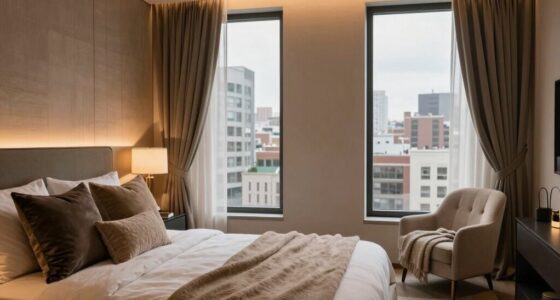
Several of the designers’ objections are about how often a detail is repeated, rather than whether it belongs in a home at all. Kristen Mendoza of Four Brothers Design + Build criticizes relying on one overhead fixture or extensive recessed lighting, saying flat, bright illumination can make a room feel sterile. She recommends layered sources such as sconces, picture lights and table lamps, and says warm 2700K bulbs on dimmers can help create a softer effect.
Stephanie Kraus says “grandma chic” can feel artificial when heavy Roman shades, multiple chintz patterns and fringe are all combined at once. She distinguishes a genuinely collected interior from one that appears to have been assembled to imitate age. Kraus also questions curved sofas, arguing that they may look good in photographs but can seat few people comfortably and make conversation harder.
Maggie Vollrath of Provision Studios makes a similar case about restraint with ruffles and scalloped edges. She says these decorative details can lose their distinctiveness when repeated across upholstery, pillows, lampshades, bedding and furniture. Vollrath also argues against materials made to imitate more expensive or handmade finishes, saying that manufactured copies may not retain the variation and craftsmanship that give the originals their character. Drew Michael Scott of Lone Fox cautions readers not to adopt a style simply because it is trending; the supplied source begins mentioning polka dots as an example but cuts off before completing his comments.
Decor choices designers would leave behind in 2027
Designers point to overused details and choices that can work against comfort or function. Their comments are opinions, not proof that these styles are disappearing.
Six choices under scrutiny
The article introduction promises nine examples, but the excerpt identifies six.
One-dimensional light
A single overhead source or extensive recessed lighting can feel flat and sterile.
Overdone “grandma chic”
Heavy shades, chintz and fringe together can look assembled to imitate age.
Curved sofas
A striking shape may seat fewer people comfortably and hinder conversation.
Repeated ruffles and scallops
Repeating these accents across a room can make them lose distinction.
Imitation finishes
Manufactured copies may lack the variation and craft of original materials.
Trend hopping
A popular style may not suit your home or how you live.
Make the room work for you
The advice centers on comfort, function and restraint.
Combine sconces, picture lights and table lamps; consider warm bulbs on dimmers.
Consider seating comfort and conversation before choosing a sofa shape.
Let decorative motifs and finishes complement the room instead of dominating it.
What the report can establish
It shares the views of a handful of interviewed designers about styles they encountered in 2026.
- Designers would use these choices less in 2027.
- Some details may work better in moderation.
- That the styles are disappearing across the market.
- The final three trends or complete comments on trend hopping.
Why Designers Favor Restraint
The advice matters to homeowners planning purchases or renovations because many of the listed choices involve more than surface appearance. A sofa’s shape affects how people sit together; lighting affects how a room functions at different times of day; and material choices influence both cost and the finished look. The designers’ comments suggest prioritizing comfort, function and personal fit over reproducing a popular image.
The report does not establish that these trends are disappearing or that designers agree unanimously. It records the opinions of a handful of professionals about styles they encountered in 2026. Readers can treat the recommendations as design perspectives, not a forecast supported by sales data or a universal rulebook. The practical takeaway is narrower: a feature that works in moderation may feel less successful when it dominates a room.
Products Worth Considering

eufy Security Essential 7-Piece Alarm System

Philips Hue Bridge Pro Starter Kit with 4 A19 E26 Color Smart Bulbs

Philips Hue Play Gradient Light Tube, Large, Black
As an affiliate, we earn on qualifying purchases.
From 2026 Styles to 2027 Choices
The report is framed as a year-end look ahead, asking designers to identify interior choices they saw in 2026 and would use less in 2027. Its focus is not a new product launch, formal industry standard or measured survey of consumer preferences. It presents expert commentary on lighting, furnishings, decoration and materials.
That distinction matters because the source’s language is subjective: designers describe what they find overused or uncomfortable, not trends proven to be declining across the market. The article’s introduction promises nine examples, but the supplied excerpt contains only six identifiable topics: one-dimensional lighting, too much “grandma chic,” curved sofas, ruffled edges, imitation materials and trend hopping.
““Flat, overly bright lighting can make even the most beautifully designed spaces feel sterile and uninviting.””
— Kristen Mendoza, Four Brothers Design + Build
Three Trends Missing From the Excerpt
The supplied material promises nine trends but identifies only six before ending mid-sentence in the trend-hopping section. The remaining three trends, and the full context of Scott’s comments, cannot be confirmed from the text provided. It also gives no survey size, market data or evidence that the listed styles are losing popularity across the industry. The claims should be understood as the interviewed designers’ opinions about what they saw in 2026.
What the Full List Could Add
The source would need to be consulted in full to verify the last three entries and complete the trend-hopping discussion. Until then, the confirmed material supports a limited account of the designers’ advice: use lighting in layers, avoid making one decorative motif dominate, consider how furniture works for guests, and weigh authentic material qualities against budget. No specific industry event, sales release or follow-up date is given.
Key Questions
Which home decor trends does the supplied report identify?
It names one-dimensional lighting, too much “grandma chic,” curved sofas, repeated ruffles or scallops, imitation materials and trend hopping. The source says there are nine trends, but the excerpt provided identifies only six.
Are designers saying homeowners must remove these styles?
No. The comments are opinions about choices designers saw in 2026 and would prefer to use less in 2027. They do not establish a rule that homeowners should remove existing decor.
What lighting approach does Kristen Mendoza recommend?
Mendoza recommends using multiple light sources, including sconces, picture lights and table lamps. She also suggests warm 2700K bulbs on dimmers.
Why does the report criticize curved sofas?
Stephanie Kraus says curved sofas may look appealing in photographs but can offer limited comfortable seating and make conversation less natural for a group.
What are the three trends missing from the list?
The supplied text does not say. It cuts off while discussing trend hopping, so the final three entries cannot be confirmed from this source material.
Source: housebeautiful.com